

Sustainable Urbanism
Design approaches that integrate ecological systems, food production, and adaptive infrastructure into urban environments.


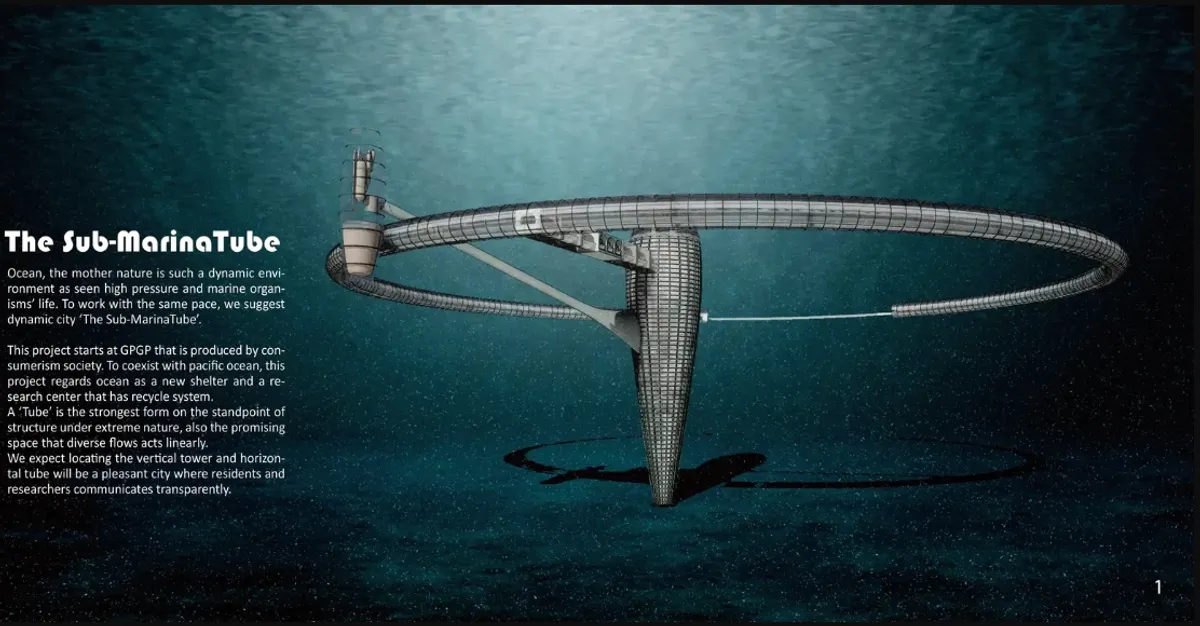
The Sub-MarinaTube: A Plastic-Recycling City Beneath the Pacific Garbage Patch
Vertical towers and horizontal tubes organize an underwater settlement that combines habitation, marine research, and ocean waste recovery.

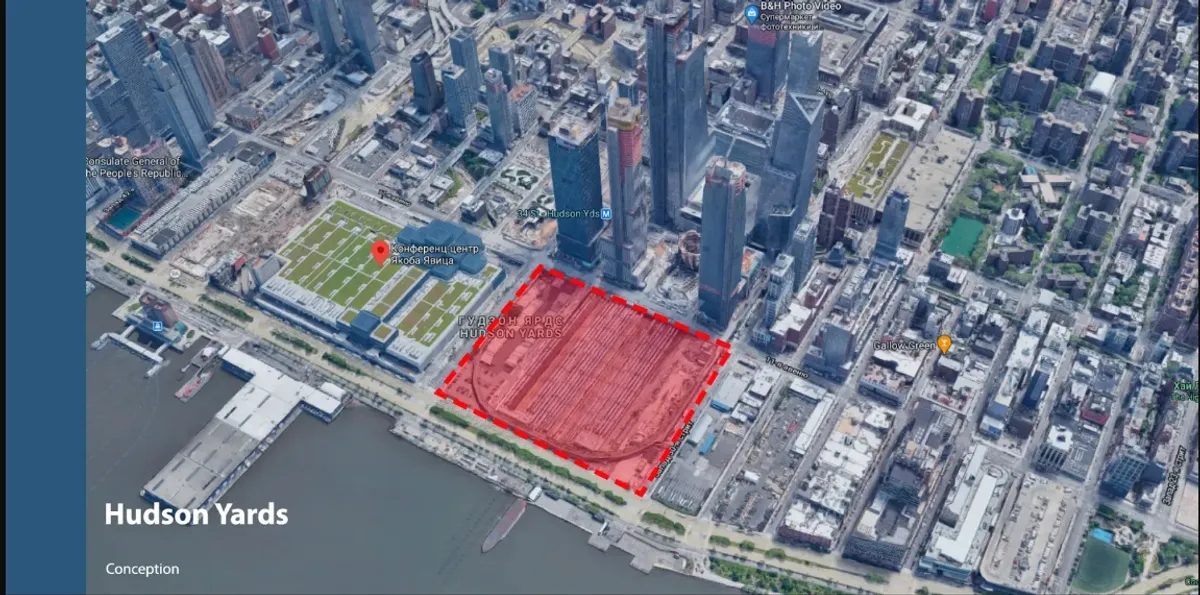
Hudson Yards: A Green Ray and Vertical Ecosystem for Manhattan's Dense Future
A shortlisted New Dencities entry organizes towers, courtyards, and a continuous landscape axis into one interconnected urban framework.


Urban Continuum:An alternative learning ecosystem
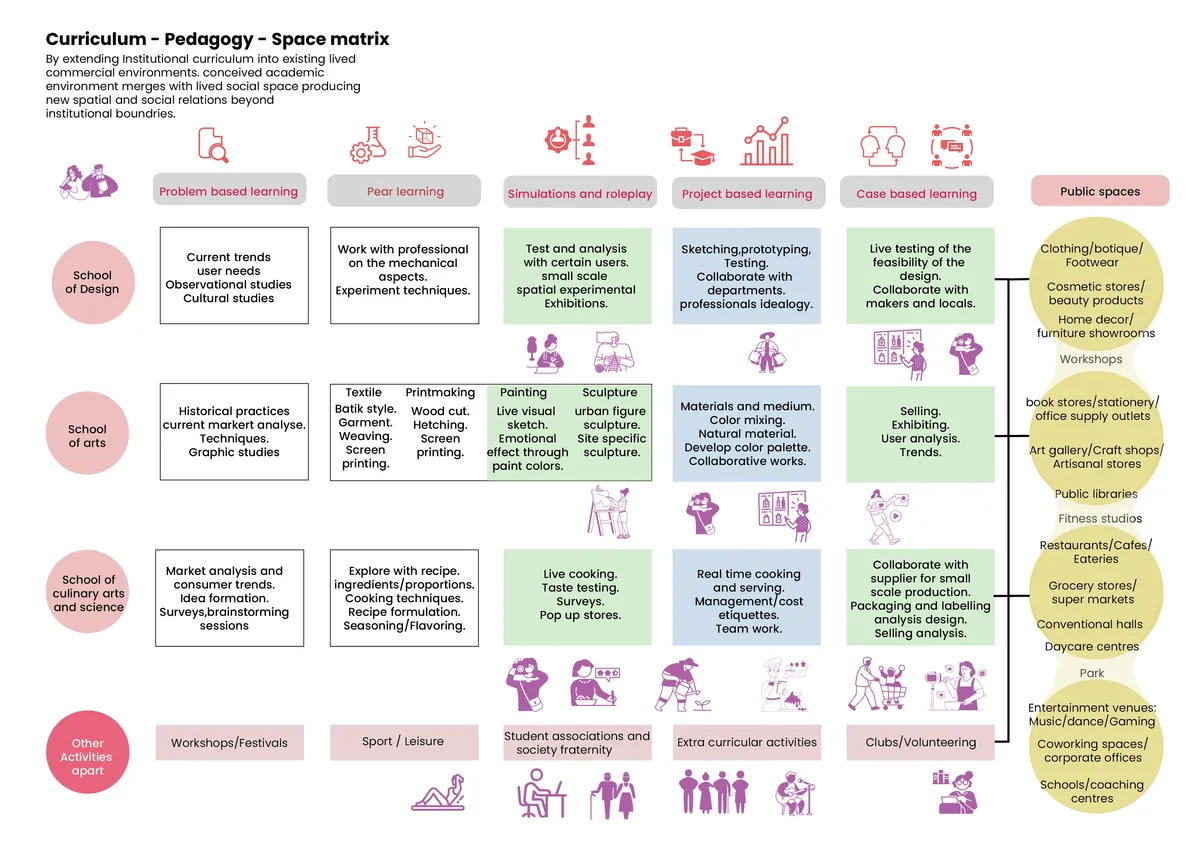
Education has increasingly become detached from the lived realities of the city. Urban Continuum proposes an alternative model in which learning is embedded within the rhythms of everyday urban life. Instead of concentrating education inside institutional boundaries, the project distributes learning across existing neighbourhood spaces, creating an interconn
Barcelona in 2050: Recovering the Courtyard as Climate and Civic Infrastructure
A shortlisted Hyperblock entry reimagines Barcelona's Cerdà grid as a network of courtyards, water channels, and layered public spaces for 2050.

GREEN GRID: Reconnecting Barcelona's Blocks Through a Continuous Public Landscape
A nine-block urban strategy that opens, terraces, and links Cerdà's courtyards into a climate-responsive green network across the city.


Floating Urban Village: Sustainable Architecture for a Climate-Resilient Community on Water
A modular floating village uses sustainable architecture, local materials and self-sufficient systems to create resilient life on water.


THE OASIS BIOME: A REGENERATIVE AGROECOSYSTEM
An inquiry into regenerative agro-structure through the design of The Oasis Biome, this report explores how architecture can act as a living ecosystem to support climate-resilient food production. Drawing from standards of agroecology, managed environment agriculture, and water-saving technology, it proposes a spatial systems where cultivation, conservation, and community empowerment intersect. The project is situated in Birulia, Savar, and serves as a design-primarily based academic research under the Bachelor of Architecture program at Southeast University.

COMMU[C]ITY: Sustainable Architecture Reimagines Barcelona’s Hyperblock for 2050
COMMU[C]ITY reimagines Barcelona through sustainable architecture, mixing green towers, shared streets, mobility and urban biodiversity hub.
![COMMU[C]ITY: Sustainable Architecture Reimagines Barcelona’s Hyperblock for 2050](https://img.uni.xyz/eyJidWNrZXQiOiJ1bmktYmxvZyIsImtleSI6IjQ4Lzk4ZWFiMTk2LWNlNTMtNDRkNS1hZTBhLTg1MzRlODA5M2E3OC91bmllZGl0b3JpYWwyMDI2LTA4LTMxVDE4LTE1LTI5LTEwNDgwNy5qcGVnIiwiZWRpdHMiOnsicmVzaXplIjp7IndpZHRoIjo2NH0sImpwZWciOnsicXVhbGl0eSI6MTB9LCJ3ZWJwIjp7InF1YWxpdHkiOjEwfSwiZmxhdHRlbiI6ZmFsc2UsIm5vcm1hbGlzZSI6ZmFsc2V9fQ==)
Saigon Pacemaker: Sustainable Architecture Reimagining the Future of the Saigon River
Saigon Pacemaker reimagines riverfront market through sustainable architecture, merging mangroves, aquaculture, work, learning and community


Making architecture that is really sustainable
Design for kids where 'Form Follows Climate'

An Urban Social Network: Sustainable Urban Design Rethinking Cerdà’s Legacy in Barcelona
An urban social network reimagines Barcelona through inclusive public space, biophilic design, walkability, and community life for all ages.

Barcelonas Vein: Sustainable Urban Design Reimagining Barcelona’s Historic Grid
Barcelona’s Vein reimagines Cerdà’s urban grid through green corridors, mixed uses and walkable public spaces for a healthier city for 2050.


The illusion of permanence: the design for disassembly framework
Traditional architecture’s focus on permanence overlooks the environmental constraints of climate urgency. Design for Disassembly (DfD) challenges this by planning buildings to be dismantled, reused, or relocated. This thesis investigates the ecological and socio-economic potentials of DfD, exploring how modularity and reversible connections shape future-oriented construction. Shifting focus from building to responsibly unbuilding redefines permanence for a sustainable lifecycle.


very interesting
Bunkertecture: Sustainable Architecture Reimagines a Missile Silo as an Everyday Community
Bunkertecture reimagines a decommissioned missile silo as a self-sufficient underground community for resilient sustainable everyday living.


From Grey to Green: Retrofitting Urban Infrastructure for Climate Resilience and Community Well-Being
This dissertation explores retrofitting as a strategy for transforming existing urban infrastructure into resilient, inclusive, and climate-responsive environments. Through policy analysis and Indian case studies, it demonstrates how adaptive reuse and passive design can reduce environmental impact while enhancing urban liveability, positioning retrofitting as a sustainable alternative to demolition-led redevelopment.


COASTAL CONFLUENCE : SUBSTITING STORY OF SALT SILENCE AND SURVIVAL
In the shifting tides of our time, where urban expansion often overpowers the gentle rhythms of nature, Coastal Confluence proposes an integrated approach to ecological restoration and sustainable development in the fragile Thane Creek region of Navi Mumbai. This thesis explores the vital role of mangrove ecosystems in mitigating coastal erosion, preserving biodiversity, and fostering community resilience, telling a story of healing, coexistence, and renewal.


Nice concept and creative design

Amazing work!
Nice conceptualization and presentation


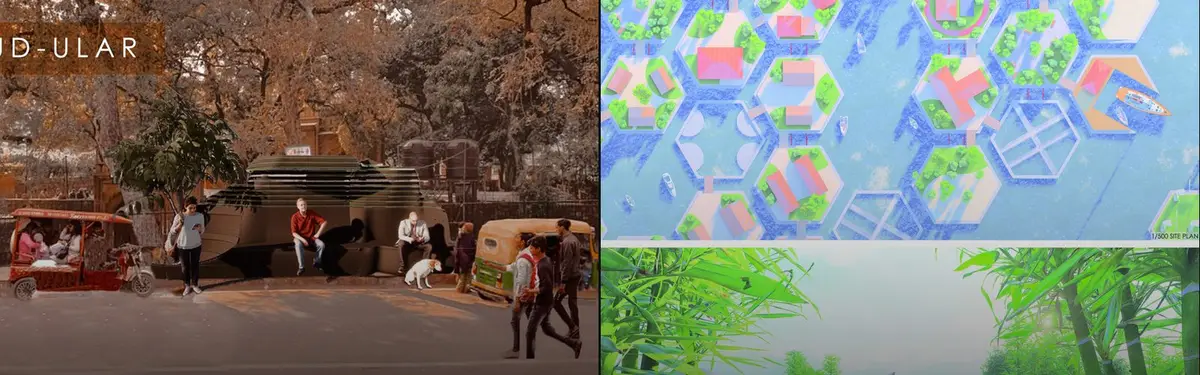
Mud-Ulor Bus

İn my opinion it's fantastic.
It is sustainable functional and perfectly designed.
Fantastic

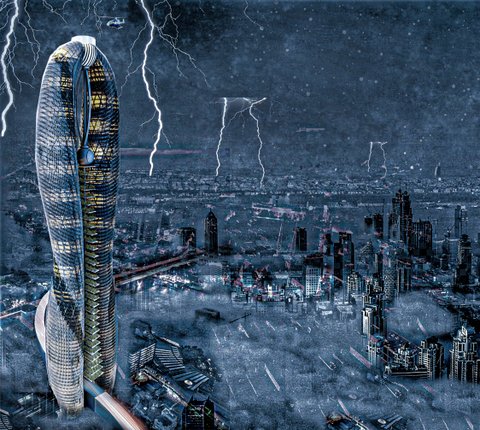
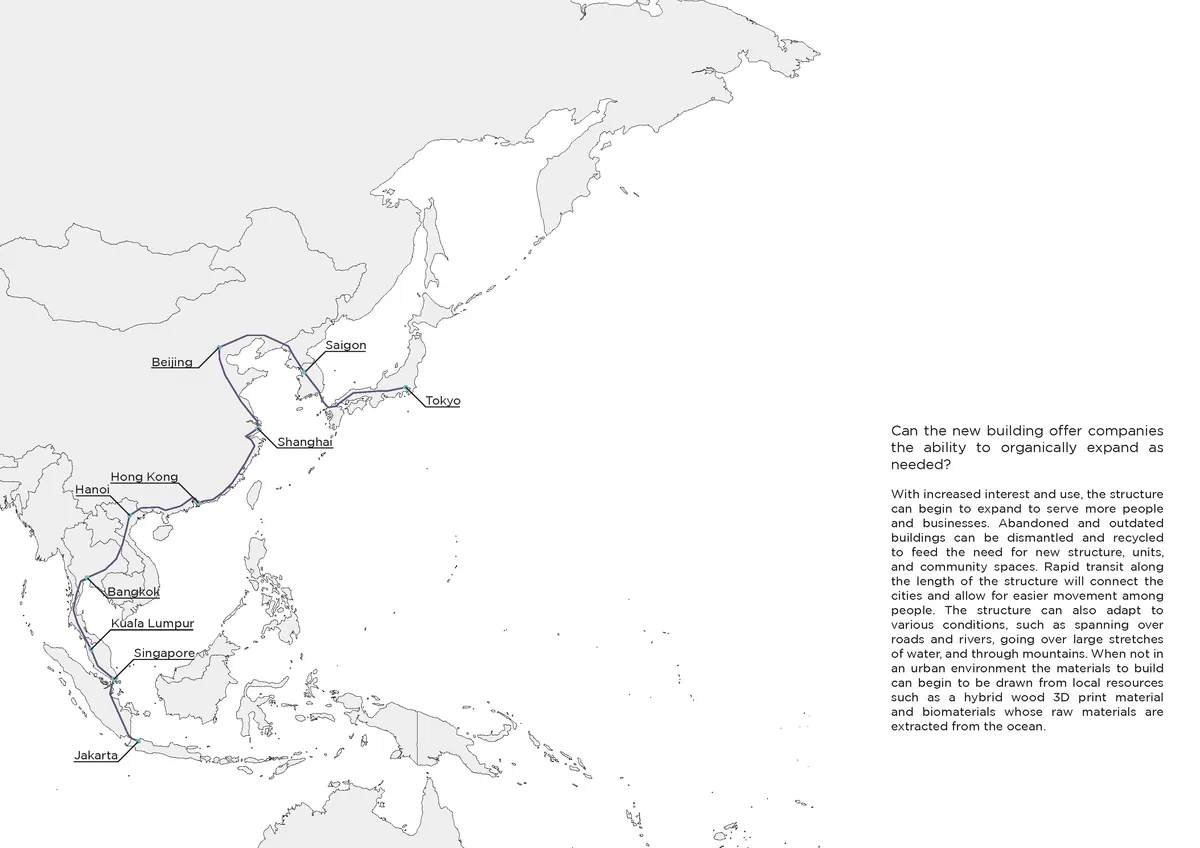
Linear City
The increased presence and use of automation and artificial intelligence in society will create radical changes to the way people live and work This project provides new ways to live and work for both people with and without the skills still needed to hold a job By creating an adaptable and expandable city AI can begin to best serve the needs of everyone.

Future Energy Metropolis in Hamburg, Germany
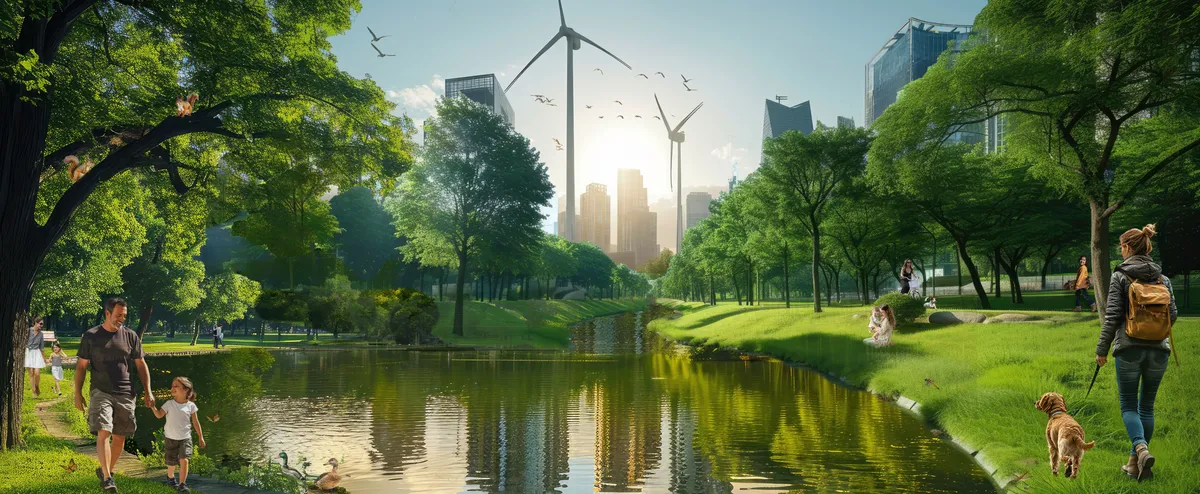
In this project scenario a part of the former harbor of Hamburg will be redeveloped into a sustainable city district


A thoughtful and original approach that expands learning into everyday urban life. Further exploring how this model can operate across different public spaces could strengthen its potential and impact.
Thank you so much for the thoughtful feedback. The project grew from questioning the mono-functional nature of urban spaces and eventually led me to explore learning as something that could connect people, genetations and everyday civic life beyond the conventional campus. Your suggestion to test this model across different public spaces is something i'd really like to explore further, particularly how different urban contexts could create different opportunities for learning and collective information.