

Blueprints of Tomorrow: Exploring the Future of Architecture through 10 Pioneering Dissertation Topics
This article explores ten innovative architectural dissertations that offer visionary solutions to contemporary social, environmental, and technological challenges in the field.


In the ever-evolving realm of architecture, cutting-edge research is not just a testament to academic rigor but a beacon that guides the industry towards innovation and relevance. The following dissertation topics are a curation of visionary inquiries that challenge conventional wisdom and invite us to reimagine the fabric of our built environments. Each topic serves as a lens, magnifying the intricate relationship between architecture and the pressing social, environmental, and technological narratives of our time. From the integration of digital simulations in urban planning to the empathetic approaches towards peace in conflict zones, these dissertations offer a glimpse into the transformative potential of architecture. They stand as harbingers of change, forecasting and shaping the future directions of architectural discourse and practice in a world that demands adaptability and foresight.
The Role of Architecture in Society
Architecture stands at the crossroads of humanity's greatest endeavors, shaping the way we live, interact, and perceive our place in the world. It is a reflection of our societal values, technological advancements, and cultural narratives. The dissertation topics presented weave a rich tapestry that demonstrates architecture's profound influence on societal development and its capacity to respond to complex global issues. From the sustainable preservation of cultural heritage to the creation of peace-promoting spaces, these topics underscore a universal truth: architecture is not merely about constructing spaces but about envisioning and manifesting the ethos of society. They remind us that every line drawn by an architect is a silent dialogue with social norms, a negotiation with technology, and a ballet of cultural expression.
Examination of Dissertation Topics
As we delve into the heart of these dissertations, each author emerges as a storyteller, narrating through design the possibilities of a future that marries function with form, tradition with innovation. These topics, ranging from the transformation of urban slums to the integration of peace within the built environment, present a spectrum of challenges and breakthroughs. The proposed solutions—be they in the form of reimagined textile museums that thread the past to the present or digital platforms that simulate future cities—stand as testimonies to architecture's transformative power. These dissertations do not just represent individual academic achievements; they are potential catalysts for industry-wide paradigms shifts, promising to reshape our collective social fabric and the very definition of what buildings should embody in an ever-changing world.

Dissertation Topic: Urban Design and Sociology
Name: Ghetto and the City: A Case of Mumbra
Author: Srusti Alpesh Shah
University Name: Kamla Raheja Vidyanidhi Institute for Architecture and Environmental Studies
Abstract: This dissertation examines the complex relationship between a ghetto and its adjacent urban environment, using Mumbra as a focal point. The study critically analyzes the physical and metaphorical boundaries that segregate ghettos, proposing architectural interventions aimed at fostering inclusivity and connectivity. Through this lens, the work challenges traditional notions of urban segregation and posits architecture as an influential mediator in the social narrative of urban landscapes.
Grounds for Inclusion: This topic is exemplary in its potential to reshape our understanding of urban inclusion and architectural responsibility. It offers a poignant reflection on the power of design in bridging societal divides, making it a significant addition to discussions on urban renewal and social justice within architectural academia and practice.

Dissertation Topic: Cultural Architecture and Sustainability
Name: 'GONDS'- Friends of Nature and Architecture
Author: Muskaan Garg
Abstract: Muskaan Garg's dissertation unveils the intimate bond between the Gond tribe and their natural environment, exploring the architectural implications of their intrinsic connection to nature. The study delves into the Gonds' sustainable building practices, their cultural significance, and the contemporary challenges they face. It advocates for architectural strategies that not only preserve but also celebrate the Gonds' heritage, proposing designs that are both environmentally sustainable and culturally respectful.
Grounds for Inclusion: This dissertation was chosen for its unique blend of environmental sustainability with cultural heritage preservation. It highlights an underrepresented narrative in architectural discourse, offering insights into how architecture can serve as a bridge between tradition and modernity, and how it can play a crucial role in the conservation of indigenous practices and knowledge.
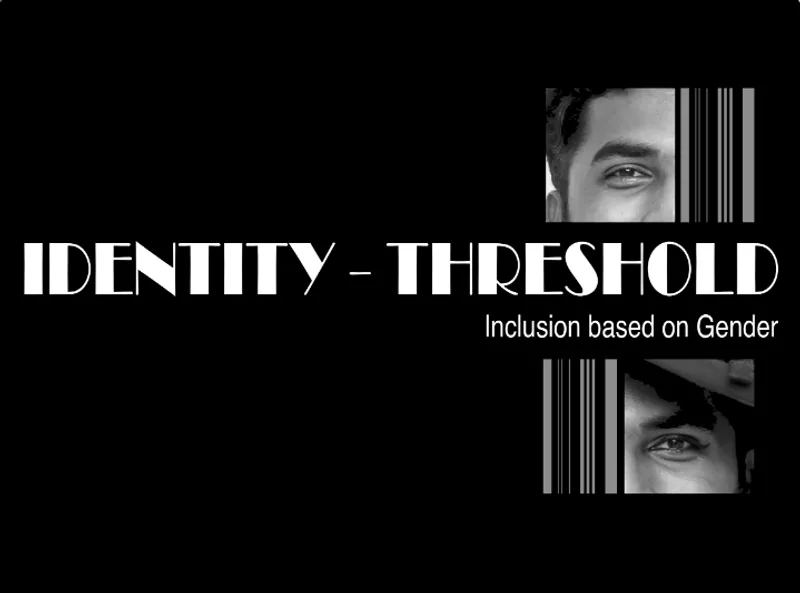
Dissertation Topic: Social Architecture and Gender Studies
Name: IDENTITY - THRESHOLD Inclusion based on Gender
Author: Sumit Gawali
Abstract: Sumit Gawali's research tackles the pivotal role of architecture in the context of gender inclusion, questioning how spaces can either empower or hinder gender identity. The dissertation scrutinizes existing architectural norms and advocates for spaces that transcend traditional gender roles, fostering inclusivity and equality. It proposes a critical examination of how architectural designs can contribute to or detract from the goal of gender inclusiveness.
Grounds for Inclusion: The selection of this dissertation is rooted in its progressive examination of architecture through the lens of gender. In an era where inclusivity is increasingly recognized as a hallmark of advanced societies, this work is pertinent for its approach to using architectural design as a tool for social change, making it a compelling contribution to contemporary architectural dialogue.
![Biopolitical [In]sensitives within Three Urban Jurisdictions of Algiers | Finalists entry of UnIADA '22](https://img.uni.xyz/eyJidWNrZXQiOiJ1bmktYmxvZyIsImtleSI6InVuL3VuaS54eXovdW5pLnh5ejIwMjMtMTItMTNUMTQtMjUtNDgtMTMxMTI1LnBuZyIsImVkaXRzIjp7InJlc2l6ZSI6eyJ3aWR0aCI6ODAwLCJmaXQiOiJpbnNpZGUifSwianBlZyI6eyJxdWFsaXR5Ijo4MH0sIndlYnAiOnsicXVhbGl0eSI6ODB9LCJmbGF0dGVuIjpmYWxzZSwibm9ybWFsaXNlIjpmYWxzZX19)
Dissertation Topic: Political Architecture and Urban Studies
Name: Biopolitical [In]sensitives within Three Urban Jurisdictions of Algiers
Author: Zain Wahbeh
University Name: Edinburgh School of Architecture and Landscape Architecture
Abstract: Zain Wahbeh's dissertation examines the intersections of architecture and biopolitics in Algiers, probing the influence of urban planning on societal control and vice versa. The study focuses on how architectural design reflects, enforces, and challenges power dynamics within three distinct urban jurisdictions, offering a critical lens on the relationship between space and political life.
Grounds for Inclusion: This dissertation was included for its critical analysis of the role of architecture in the biopolitical sphere. It offers a nuanced understanding of how physical spaces are entwined with political narratives, providing valuable insights into the role of urban design in shaping and reflecting societal hierarchies and governance.

Dissertation topic : Environmental Architecture and Urban Planning
Name: SOLID WASTE MANAGEMENT INDUSTRY, SIRAJGANJ
Author: Tabassum Ahamed Faria
Abstract: In this dissertation, Tabassum Ahamed Faria addresses the critical issue of solid waste management in Sirajganj, Bangladesh, with a focus on sustainable practices. The research explores the challenges of the local waste management industry and proposes the design of a specialized facility aimed at not only improving waste handling but also integrating community and environmental considerations.
Grounds for Inclusion: Faria's dissertation is a crucial addition to the discourse on sustainable architecture due to its focus on a pressing environmental issue. The project stands out for its holistic approach, which combines waste management with community development and education, presenting a model that could be replicated in other urban contexts.

Dissertation topic: Political Architecture and Memory
Name: Retrospecting Genocide: Awakening the Existence of Zinzira Bazar
Author: Fazle Rubby Fahim
University Name: Brac University, Dhaka, Bangladesh
Abstract: Fazle Rubby Fahim's dissertation offers a profound exploration of how architecture can serve as a medium for memorializing and processing historical traumas. Through the case study of Zinzira Bazar, a site marked by the atrocities of the 1971 genocide in Bangladesh, Fahim considers the role that physical spaces play in the collective memory and reconciliation processes. The project aims to reawaken the existence of Zinzira Bazar, not only by commemorating the tragic events but also by revitalizing the space to encourage community engagement and education.
Grounds for Inclusion: This topic was selected for its significant contribution to the discourse on architecture's role in post-conflict societies and the potential for design to aid in healing and remembrance. It exemplifies the capacity of architectural interventions to honor the past while fostering a future of peace and communal unity.
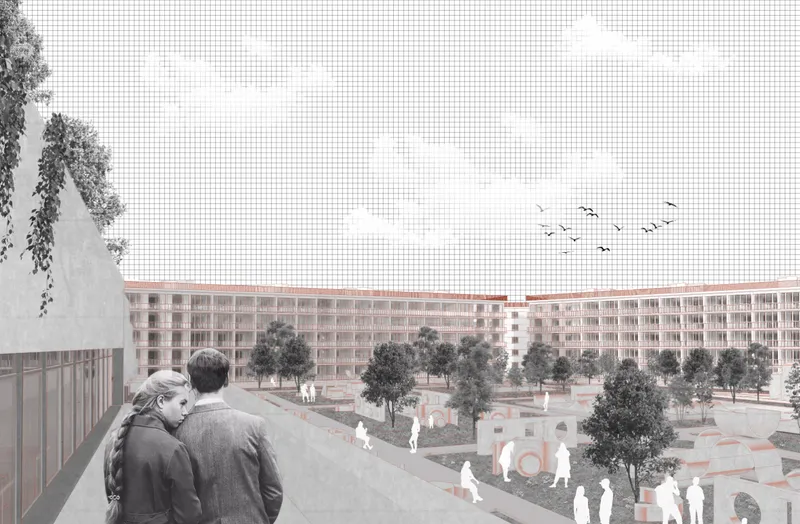
Dissertation Topic : Urban Design and Revitalization
Name: Everyday Life in Microrayons
Author: Līga Ramata
Abstract: Līga Ramata's thesis delves into the transformation of Post-Soviet microrayons, aiming to revitalize these often-maligned urban areas into vibrant, socially engaging spaces. Drawing inspiration from Soviet Constructivism and modern urban theories, the study proposes innovative approaches to urban redevelopment, focusing on enhancing the quality of life and fostering personal development within these communities.
Grounds for Inclusion: Ramata's work was chosen for its forward-thinking approach to urban revitalization. By reimagining the microrayons, the dissertation not only addresses a specific architectural challenge but also contributes to the broader conversation about sustainable urban development and community engagement.

Dissertation Topic: Cultural Architecture and Heritage Conservation
Name: Bangabandhu Textile Museum and Jamdani Complex, Narayanganj
Author: Quazi Md. Fazle Hasan Fahim
Abstract: Quazi Md. Fazle Hasan Fahim's research focuses on the rich heritage of Bangladesh's Jamdani textile industry, exploring sustainable methods to preserve and promote this traditional craft. The dissertation proposes the creation of a specialized museum and research complex dedicated to Bangladeshi handloom textiles, aiming to reimagine how museums can contribute to cultural preservation in a modern context.
Grounds for Inclusion: This dissertation was selected for its unique blend of architectural design with cultural heritage preservation. It provides valuable insights into how architecture can facilitate the protection and promotion of traditional crafts, making an important contribution to the field of heritage conservation.

Dissertation Topic: Urban Design and Digital Technology
Name: Interactive Urban Simulations
Author: Vanya Jain
University Name: School of Planning and Architecture, Delhi
Abstract: Vanya Jain's thesis explores the potential of virtual game environments as tools for urban planning. The research posits that these simulations can provide accurate, engaging platforms for modeling and proposing complex urban environments, integrating participatory planning and digital technology to envision future cities.
Grounds for Inclusion: Jain's dissertation was chosen for its innovative approach to urban design, merging the realms of digital technology and participatory urban planning. The use of interactive simulations in this context offers a novel perspective on urban development and stakeholder engagement.

Dissertation Topic: Political Architecture and Peace Studies
Name: An Architecture towards Peace
Author: Jose Sibi
Abstract: Jose Sibi's dissertation investigates the relationship between architecture, conflict, and peace. The study explores how architectural design can be used proactively to prevent conflict and promote peace, proposing a unique concept of 'empathetic architecture' that focuses on creating spaces that encourage understanding and harmony.
Grounds for Inclusion: Sibi's work is a compelling addition due to its exploration of the potential of architecture to contribute to peacebuilding. The concept of designing spaces that actively promote peace and understanding is an innovative and timely topic in the field of architecture.
Emerging Trends and Technologies
The dissertations showcased here not only represent a spectrum of current architectural challenges and innovations but also foreshadow the future trajectory of the discipline. These works integrate new technologies and methodologies, reflecting a shift towards more responsive, sustainable, and socially aware architectural practices. As we look to the future, the field of architecture is poised to embrace a variety of emerging trends and technologies.
Here are 20 emerging streams to choose your next Architectural dissertation topic from:
- Smart City Integration: Focusing on the incorporation of IoT and AI to create interconnected, efficient urban environments.
- Biophilic Design Enhancements: Advancing the integration of natural elements in urban spaces for health and environmental benefits.
- Augmented Reality in Construction: Utilizing AR for enhanced precision and efficiency in architectural design and construction processes.
- Sustainable Material Innovation: Exploring new eco-friendly materials for reducing environmental footprints in construction.
- Adaptive Reuse Strategies: Transforming historical buildings for modern use while preserving cultural heritage.
- Vertical Green Spaces: Developing vertical gardens and green walls in urban settings to combat pollution and improve air quality.
- 3D Printing in Architecture: Expanding the use of 3D printing for cost-effective and innovative building designs.
- Zero-Energy Buildings: Designing structures that produce as much energy as they consume for sustainable living environments.
- Disaster-Resilient Infrastructure: Creating buildings and urban designs that can withstand natural disasters and climate change.
- Inclusive Design for Accessibility: Emphasizing universal design principles to ensure accessibility for all in public and private spaces.
- Parametric and Algorithmic Design: Harnessing advanced software for creating complex, efficient, and visually striking designs that respond to specific environmental and social factors.
- Modular and Prefabricated Construction: Focusing on building components manufactured offsite for speedier, more efficient, and less wasteful construction processes.
- Responsive Building Skins: Developing façade systems that adapt to environmental changes, thereby enhancing energy efficiency and user comfort.
- Architectural Robotics: Integrating robotics in the construction process for precision, safety, and innovation in building complex structures.
- Regenerative Urbanism: Going beyond sustainability to create designs that positively impact the environment, regenerating ecosystems and biodiversity.
- Virtual Reality for Client Engagement: Using VR to provide immersive previews of architectural designs, enhancing client understanding and participation.
- Cognitive Architecture: Designing spaces based on psychological and neurological research to positively influence occupants' mental health and wellbeing.
- Net Positive Water Buildings: Developing water systems that not only reduce consumption but also treat and recycle water on-site.
- Artificial Intelligence in Urban Planning: Leveraging AI for analyzing large datasets to make informed decisions about urban development and planning.
- Cultural Sustainability in Architecture: Emphasizing the preservation and integration of local cultural elements in design to maintain cultural identities in a globalized world.
These trends indicate a future where architecture is not only about aesthetics and functionality but also about resilience, sustainability, inclusivity, and the seamless integration of technology in every aspect of design and construction.
The array of dissertation topics presented in this article provides a rich tapestry of insights and innovative perspectives, each contributing to the evolving narrative of architecture. From the intricate relationship between social dynamics and urban design to the integration of emerging technologies in architectural practice, these dissertations highlight the field's potential to address some of the most pressing challenges of our time. They collectively underscore the importance of thinking beyond traditional boundaries and embracing the multifaceted nature of architecture — as an art, a science, and a crucial element in shaping societal and environmental well-being.
As practitioners and enthusiasts in the field of architecture, we are called upon to not only appreciate these insights but also to actively engage with them. Let us consider the social, technological, and environmental implications of our work, and strive to push the envelope in creating spaces that are inclusive, sustainable, and forward-thinking.
We invite our readers to delve deeper into these topics on uni.xyz, a platform that unites a community of over 200,000 architects and designers. Here, you can explore and reference more than 10,000 design projects, publications, and journals, along with approximately 100,000 architecture presentation boards.

Your participation and contributions are also eagerly anticipated in the upcoming UNIADA '24 and UNIATA '24 competitions. These events present a unique opportunity for you to showcase your ideas and engage with a global community of innovative thinkers.

Join us at uni.xyz in shaping the future of architecture. Engage with our extensive resources and be a part of vibrant discussions that drive the field forward. Together, let's explore the limitless possibilities of architecture and design, breaking new ground and building a legacy that resonates with future generations.




Popular Articles
Popular articles from the community


The Musturak Paradise: Senior Living Architecture for a Connected Future in Temara, Morocco
The Musturak Paradise reimagines senior living architecture in Temara via private homes, social spaces, culture, community, and shared care.

Co-Life: Senior Housing Design That Reconnects Older Adults With the City
Co-Life reimagines senior housing design through healing gardens, shared streets, workshops, and a sustainable community across generations.

Riyadh For All: Intergenerational Urban Design for Active Aging in Rabat
Riyadh For All reimagines urban design in Rabat with intergenerational co-living, adaptive courtyards, and Moroccan cultural exchange today.

The Ocean Hive: Sustainable Architecture for a Self-Sufficient Civilization at Sea
The Ocean Hive imagines sustainable architecture at sea, where modular habitats, algae, wave power and ocean waste sustain a growing colony.

Similar Reads
You might also enjoy these articles

Day and Night Park: A Time-Based Urban Newsstand in Beijing
A temporary urban newsstand in Beijing blending travel, light, and reading through poetic colors, compact form, and community-focused design.

Modernist Patio Renovation in El Masnou, Barcelona by Oliver Segura Arquitectura + Cebrià Arquitectura
Modernist patio renovation blending tradition and innovation with a movable pool, leveled floors, and Catalan materials in El Masnou.

Alto Residencial Coop: Cooperative Housing Development in Santiago de Compostela by Carbajo Barrios Arquitectos
A linear cooperative housing complex blending white volumes and perforated metal façades, enhancing community living, natural light, privacy, and urban integration.
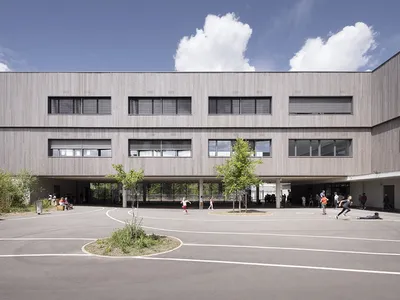
Vil Genis School by BPA ARCHITECTURE – Massy, France
Vil Genis School in Massy, France, features sustainable design, south-facing classrooms, community integration, accessible spaces, and modern educational architecture.

Explore Architecture of Tomorrow Competitions
Discover active competitions in this discipline



Challenge to reimagine the Iron Throne


Photograph architecture without architects


Illustrate the lost glory of Angkor Wat - Render Challenge


Design challenge to reuse E-waste
Comments (0)
Please login or sign up to add comments
No comments yet. Be the first to comment!