
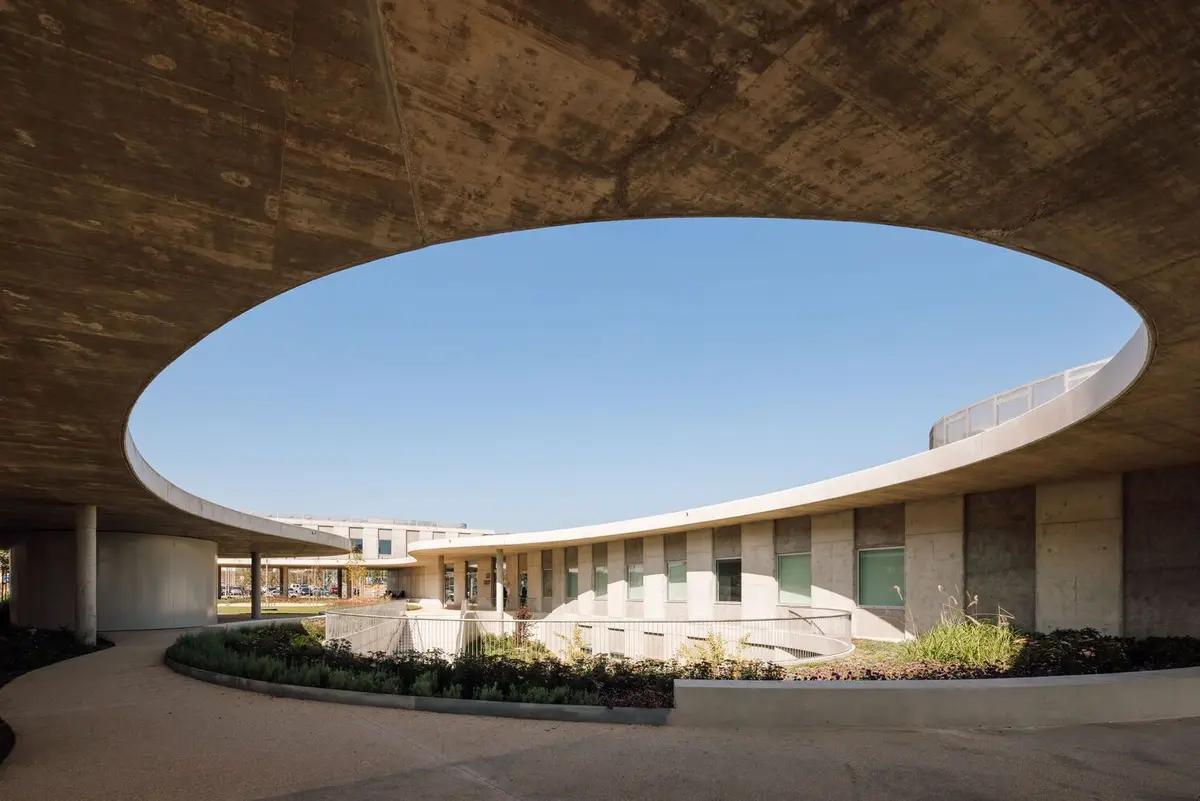
Integrated Healthcare Architecture: Unveiling the Carcavelos Health Complex
Exploring the Carcavelos Health Complex's role in redefining healthcare through integrated architectural design that promotes healing, community engagement, and sustainability in Portugal


In the realm of modern architecture, the integration of healthcare facilities with community spaces is a pioneering approach that redefines the traditional boundaries of medical buildings. The Carcavelos Health Complex, designed by the collaborative efforts of Simão Botelho, Studio-J, and Duoma, is a prime example of "Integrated Healthcare Architecture". This complex, nestled in Carcavelos, Portugal, is not just a building; it's a community-centric health hub that blends medical services with public gardens, offering a holistic environment for healing and social integration.
The Concept Behind Integrated Healthcare Architecture
What Is Integrated Healthcare Architecture?
Integrated Healthcare Architecture is a design philosophy that combines healthcare facilities with communal spaces to promote healing through social interaction and connection with nature. This approach goes beyond the conventional setup of medical facilities by incorporating elements that foster community engagement and environmental integration.
The Importance of Integrated Design in Healthcare
Integrating healthcare facilities with community spaces can significantly impact patients' healing processes, staff well-being, and the overall community health. This design philosophy supports physical, mental, and social health by creating spaces that encourage interaction, relaxation, and access to nature.
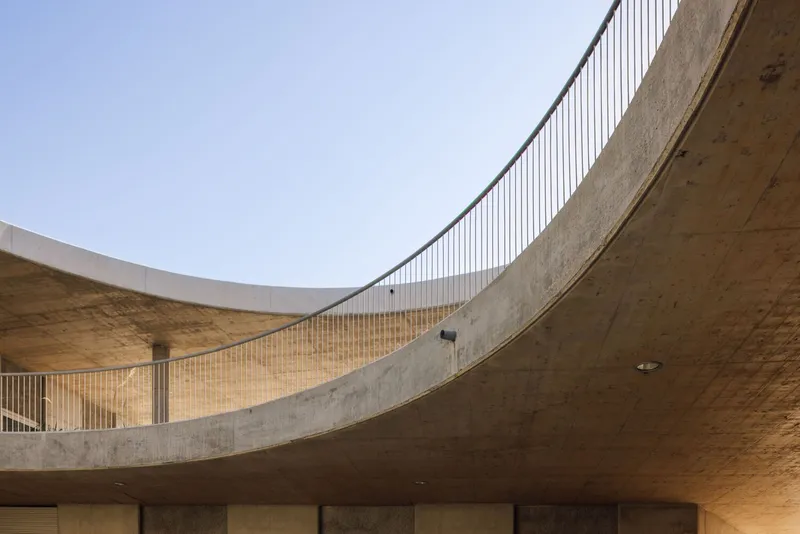
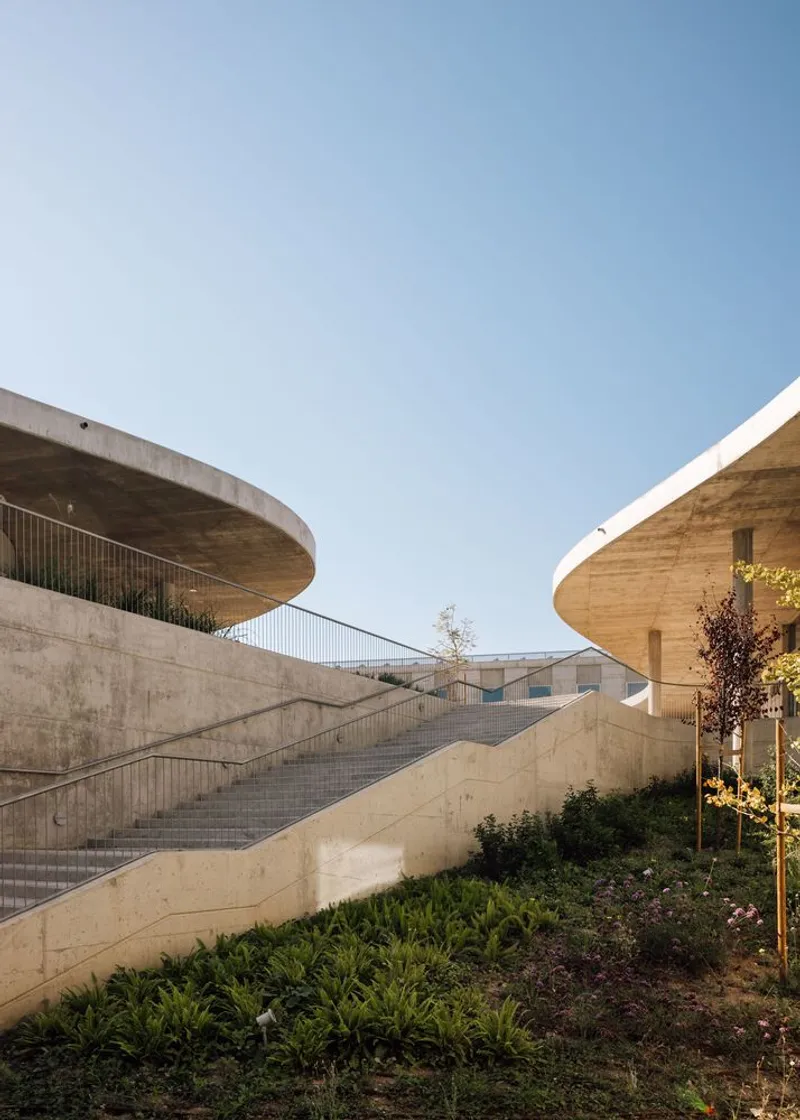
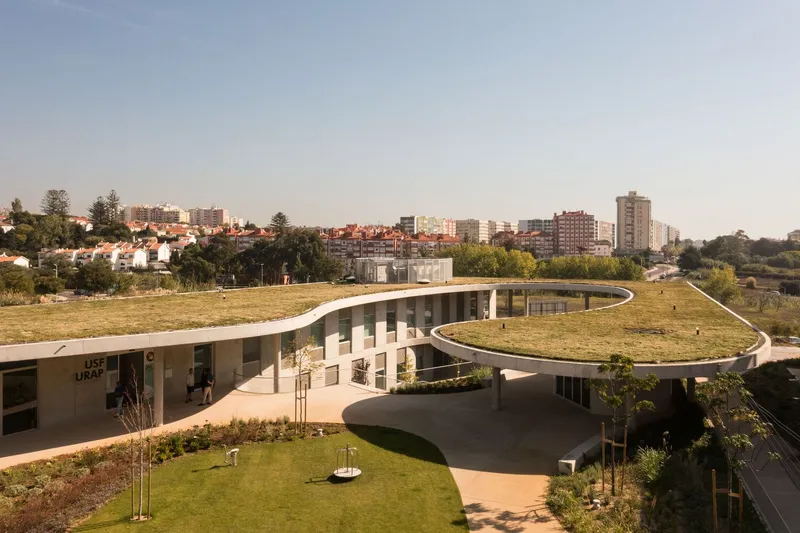
A Closer Look at the Carcavelos Health Complex
Architectural and Urban Strategy
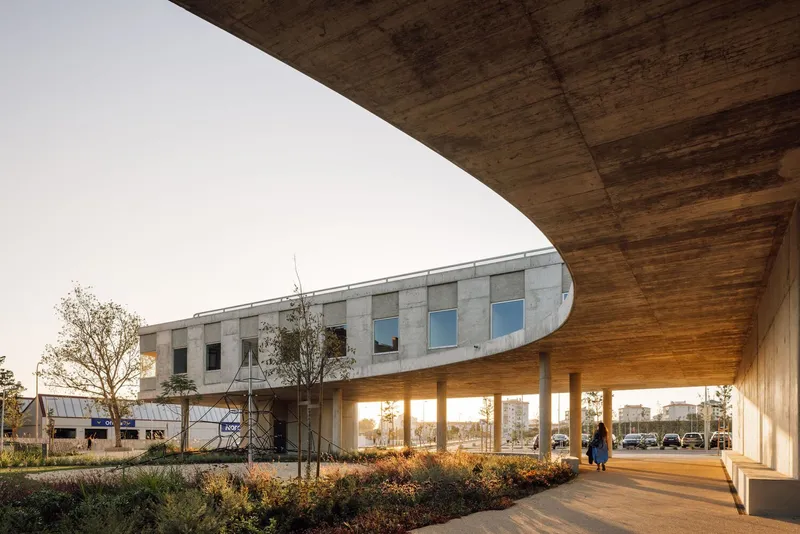
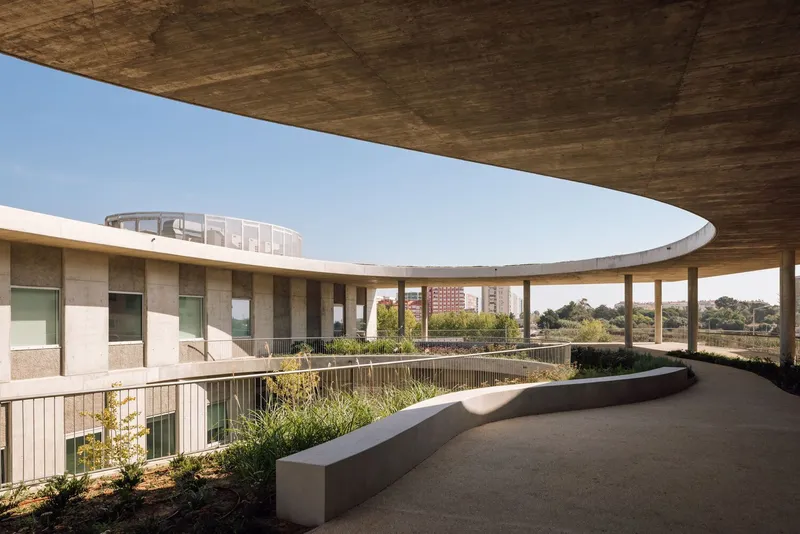
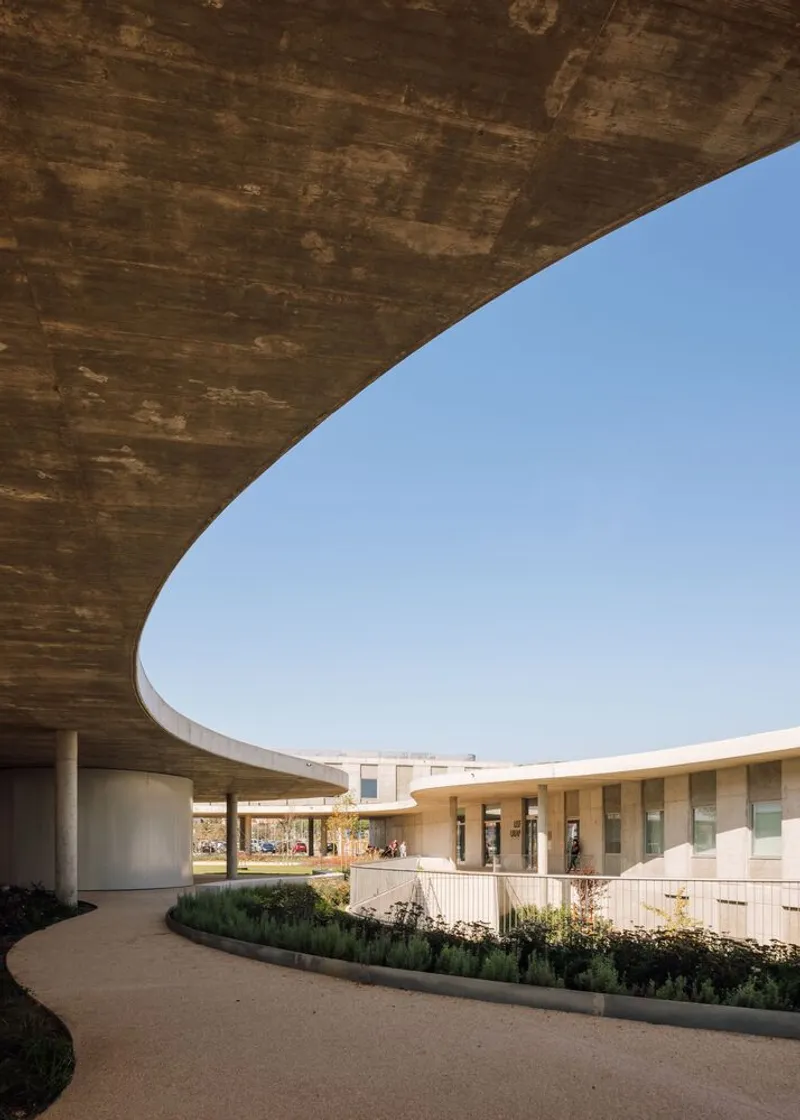
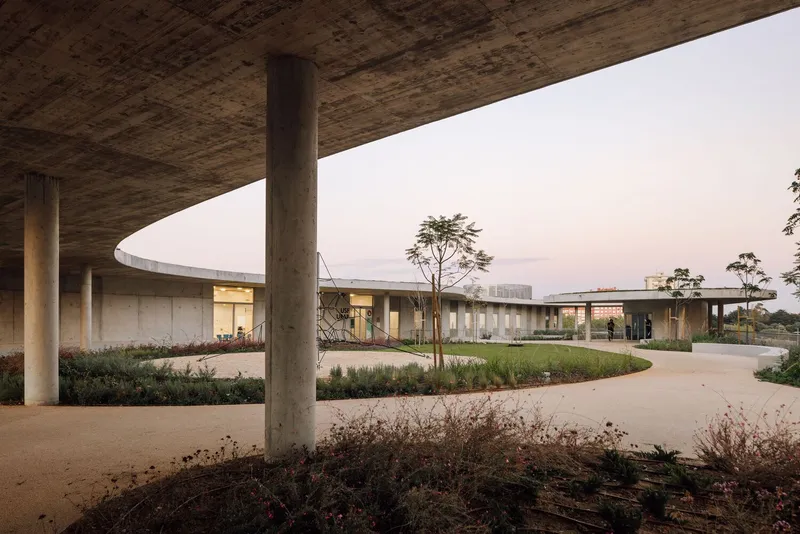
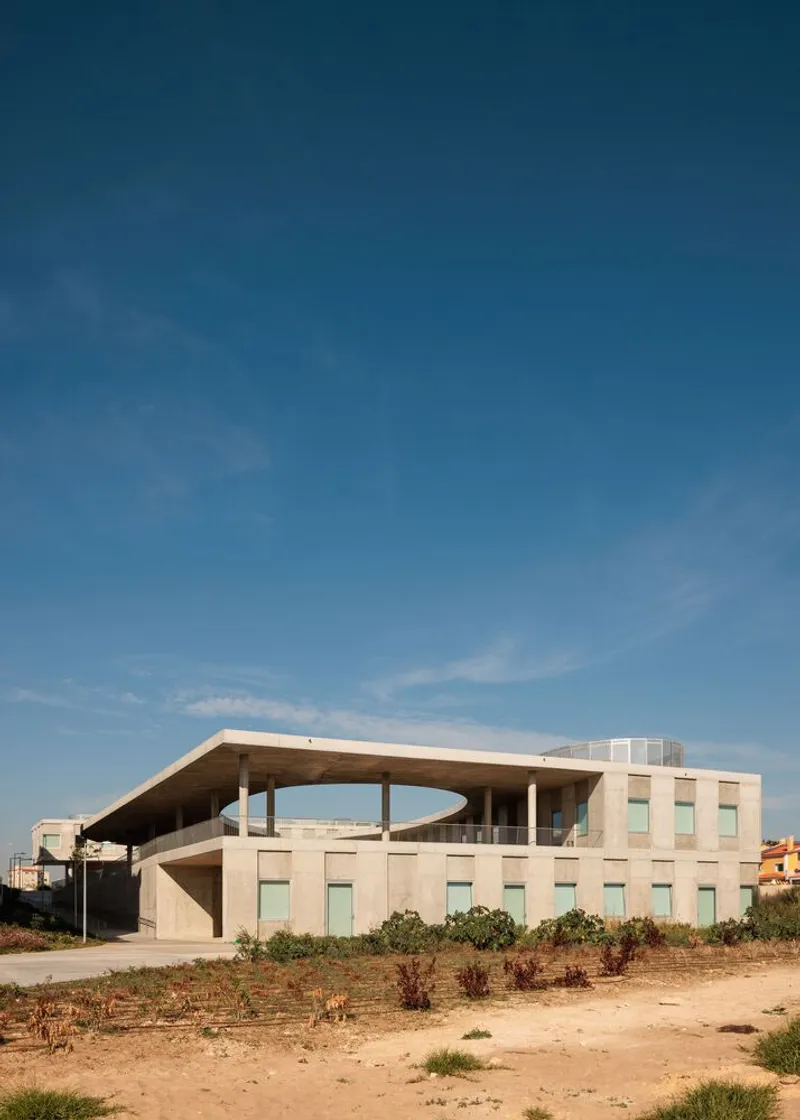
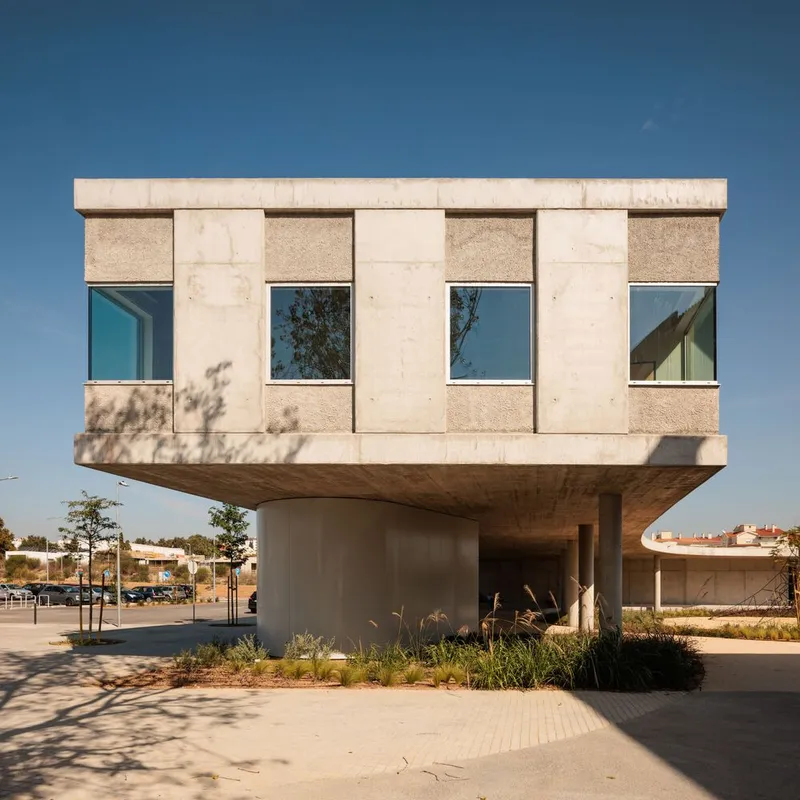
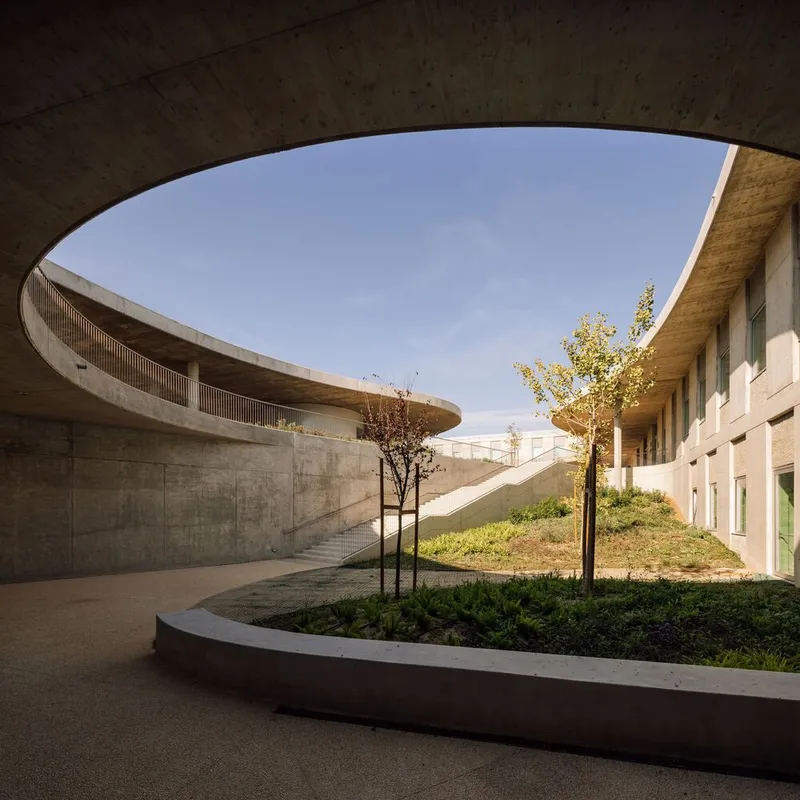
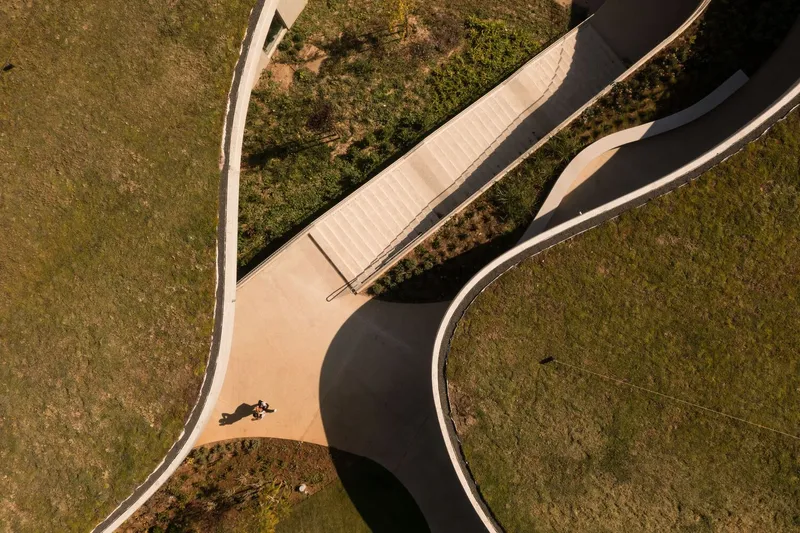
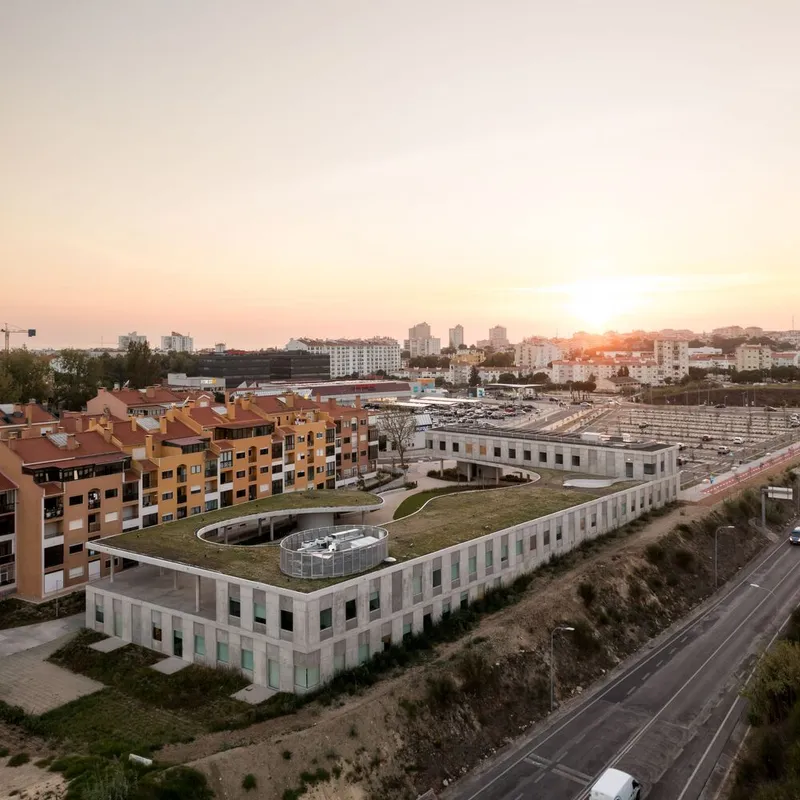
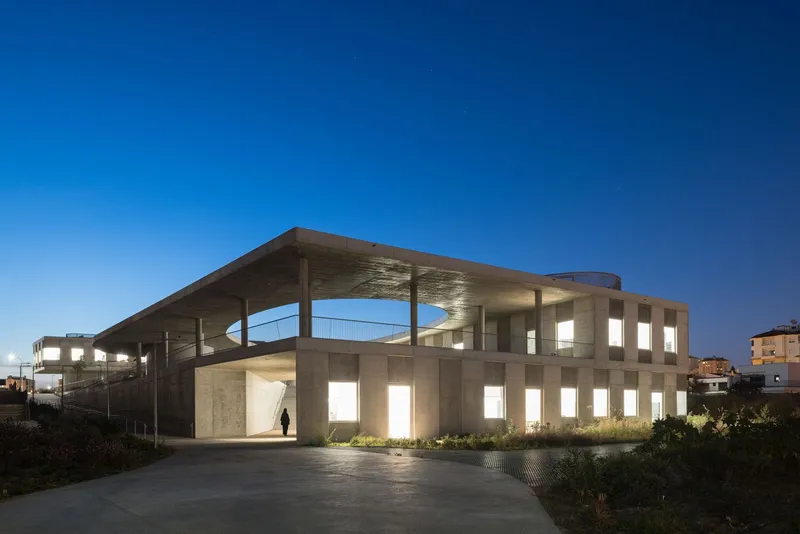
The Carcavelos Health Complex serves as a beacon of modern healthcare architecture. Situated as a noise buffer between a busy road and a tranquil garden, the complex strategically utilizes its urban setting to offer a serene environment. The design integrates a public garden, making it a central element of the complex, thereby fostering community interaction and access to green spaces.
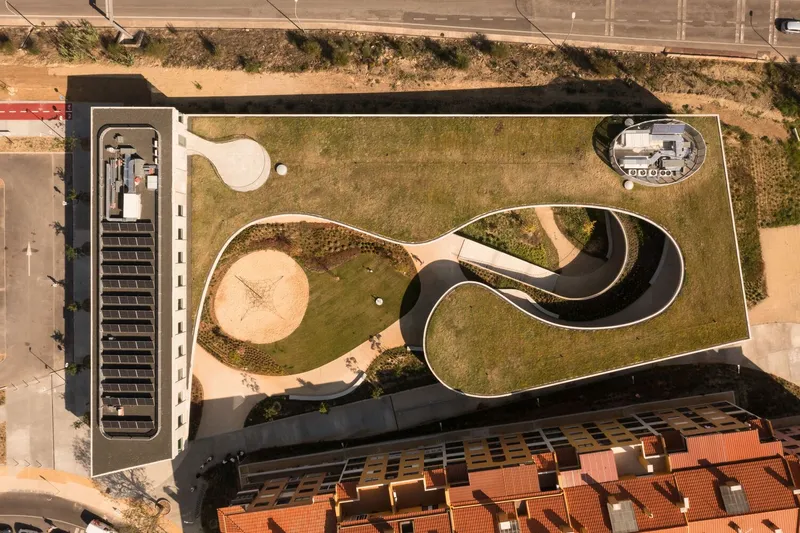
Design and Functionality
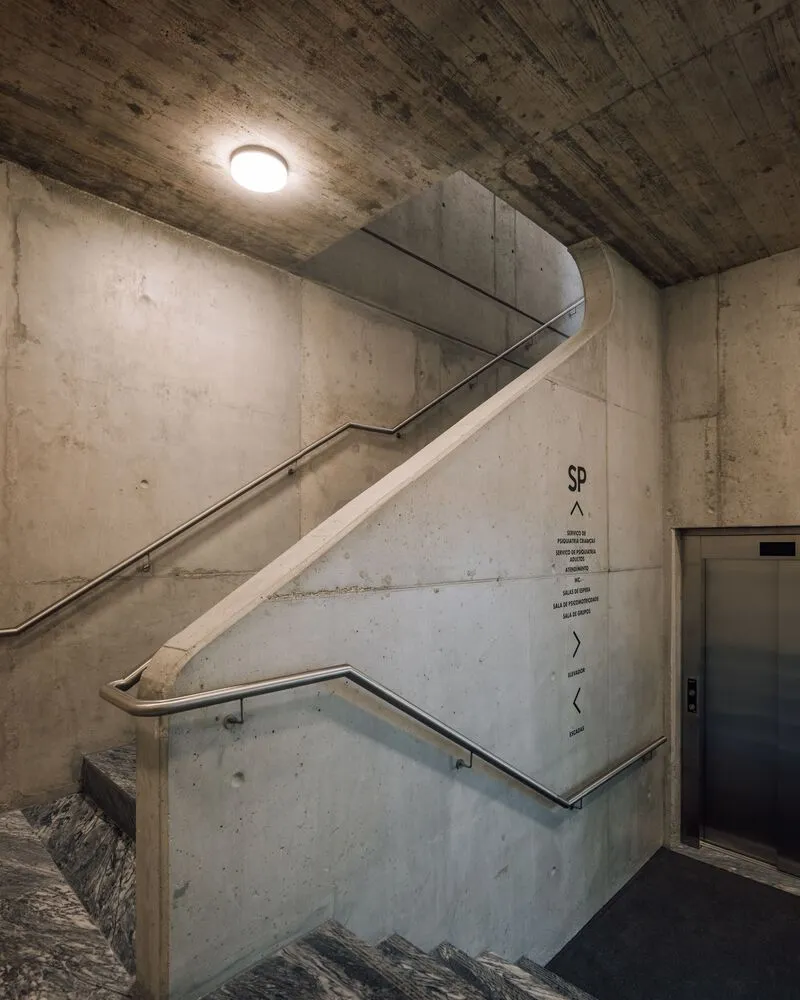
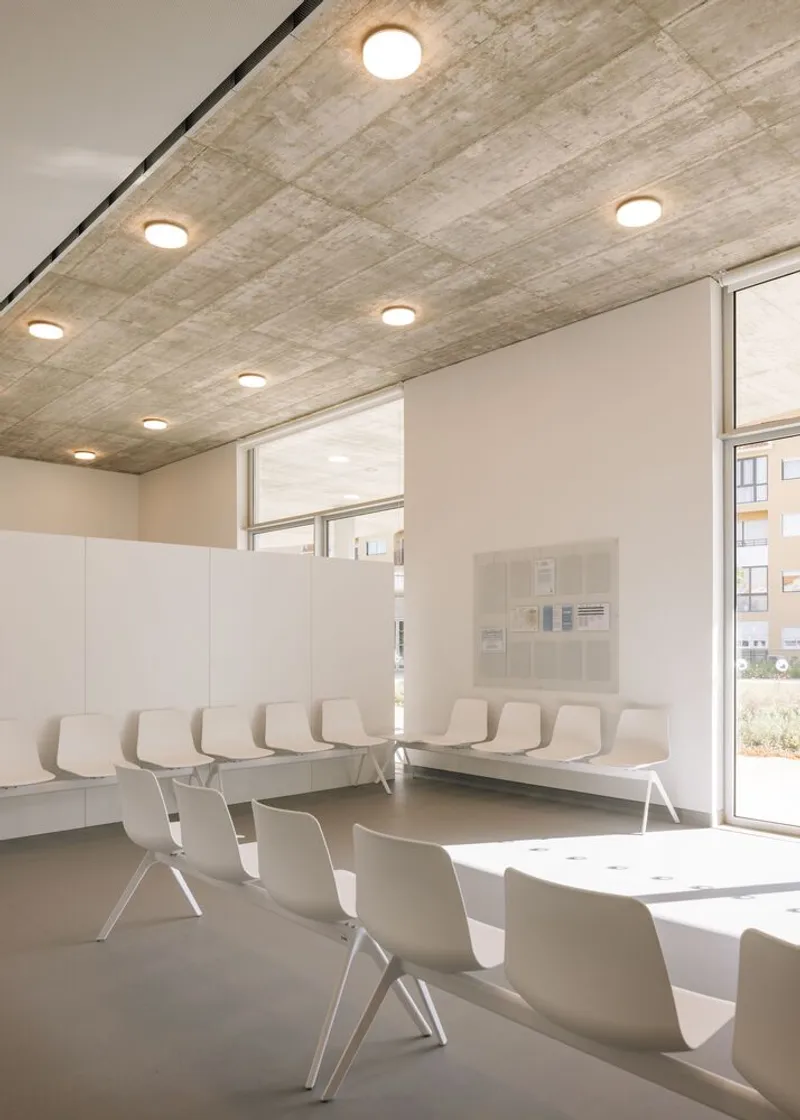
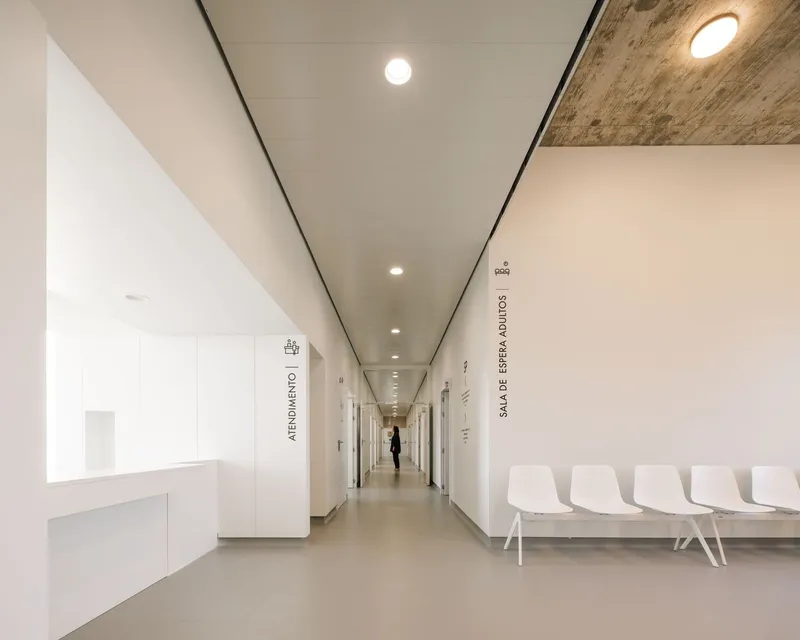
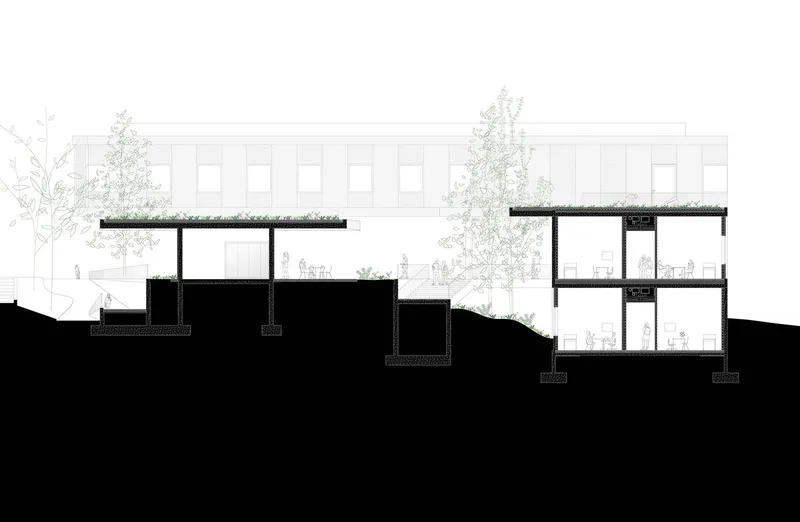
The complex houses four key health services: Family Health Unit (FHU), Shared Assistance Resources Unit (SARU), Drug Addiction Treatment Team (DATT), and Psychiatry Service (PS). The layout takes advantage of the natural topography, ensuring each service is placed optimally for accessibility and privacy. The building's linear organization around a central corridor, flanked by room modules, ensures efficiency while allowing for future adaptations.
Sustainable and Community-Centric Features
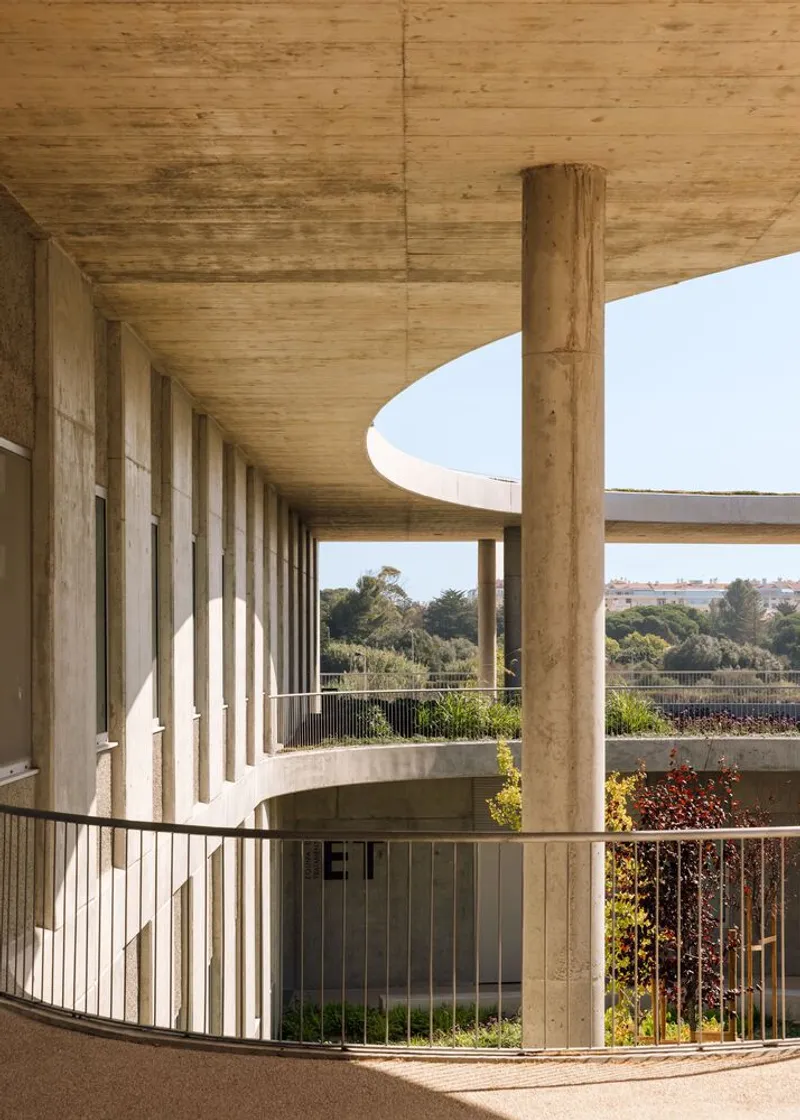
Sustainability and community engagement are at the heart of the Carcavelos Health Complex. The inclusion of a green roof, vegetable gardens, and a children's playground promotes environmental sustainability and community well-being. These features are not only beneficial for patients and staff but also invite the wider community to participate in health-promoting activities.

Impact on Community and Healthcare
The Carcavelos Health Complex stands as a testament to the potential of Integrated Healthcare Architecture to transform healthcare delivery. By merging medical services with community spaces, the complex offers a model for future healthcare facilities that prioritize holistic healing and social integration.
The Carcavelos Health Complex, with its innovative approach to integrating healthcare services with community and environmental design, epitomizes the essence of Integrated Healthcare Architecture. As this trend gains momentum, it paves the way for future healthcare facilities that are not only healing spaces but also vibrant community hubs. This complex is a model of how architecture can contribute to a healthier, more connected society.
All photographs are work of Francisco Nogueira


Popular Articles
Popular articles from the community


Play: Fragments of Their World
Familiar architecture becomes modular playground design, creating safe spaces where displaced children can learn, connect, imagine and play.

The Ocean Hive: Sustainable Architecture for a Self-Sufficient Civilization at Sea
The Ocean Hive imagines sustainable architecture at sea, where modular habitats, algae, wave power and ocean waste sustain a growing colony.

Hill & Cross Opera: Sculptural Opera House Architecture Shaped by Tallinn’s Landscape and Identity
Hill & Cross Opera reimagines opera house architecture in Tallinn through its sculptural hill, civic plaza, glass wave and a luminous cross.

Lunar Spiral: Space Architecture Shaped by the Mathematics of the Universe
Lunar Spiral reimagines space architecture through Fibonacci geometry, lunar regolith, levitating habitats, and self-sustaining Moon living.

Similar Reads
You might also enjoy these articles

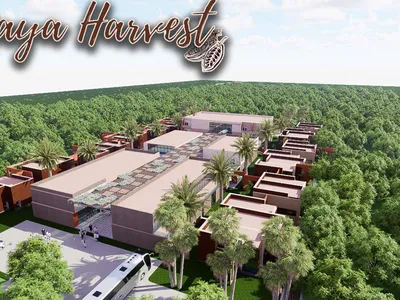
Maya Harvest: A Cacao Resort Village Rooted in Mayan Tradition and Local Craft
Situated within a Tabasco cacao plantation, this shortlisted resort proposal merges vernacular materials with hands-on cultural immersion.
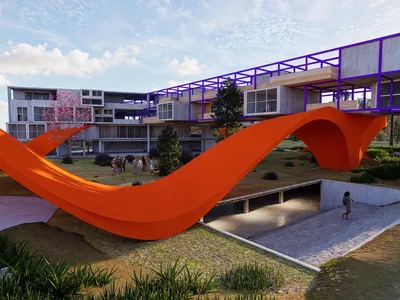
Harmonia: A River-Shaped Community That Grows Over Decades in Boa Vista
Curved pathways and modular grid structures along the Branco River create a phased settlement designed to evolve from 2030 to 2050.

The Architecture of Bathing: A Mughal Hammam Reimagined Across the Yamuna
Charlotte May's honorable mention entry for The Black Taj reinterprets Agra's bathing rituals through red sandstone, water, and framed views of the Taj Mah
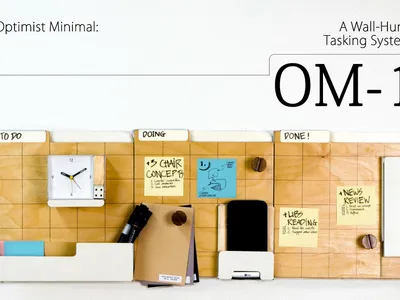
Om-1: A Wall-Hung System That Moves Your Workspace Off the Desk
Modular plywood boards, magnetic pegs, and utility elements migrate clutter from the horizontal surface to the vertical plane.

Explore Healthcare Building Competitions
Discover active competitions in this discipline

Challenge to reimagine the Iron Throne

Photograph architecture without architects

Illustrate the lost glory of Angkor Wat - Render Challenge

Design challenge to reuse E-waste
Comments (0)
Please login or sign up to add comments
No comments yet. Be the first to comment!