
Alpha-Link: An Adaptive Vertical Colony Where AI Reshapes the City of 2040
A speculative megastructure dissolves rigid urban hierarchies through space-demand optimization, hyperlink transit tubes, and AI symbiosis.


What happens when a skyscraper stops being a fixed object and starts behaving like a living organism? Alpha-Link answers that question with a speculative megastructure that reconfigures itself around the people inside it. The building's core principle, space-demand optimization, treats every floor plate, circulation route, and energy system as a variable that AI can tune in real time. Residences shift orientation for optimal energy performance, offices recalibrate lighting and cooling on the fly, and vertical transit tubes stitch the entire colony together without a single dead-end corridor. The result is less a tower and more an urban metabolism: a structure that breathes, adapts, and evolves alongside its occupants.
Designed by Gokul, Mukul Verma, Kiranmayi Yenduri, and Bhavini, Alpha-Link situates itself within a speculative timeline that stretches from 2025 to 2060 and beyond. Between bio-inspired materials and graphene-based structures arriving in the near term and full automation rewriting urban resilience by 2040, the project charts a clear trajectory: rigid, resource-heavy construction gives way to fluid, responsive architectural forms. It is a manifesto dressed as a building, proposing that the city of tomorrow will not simply house artificial intelligence but will be shaped by it at every scale.
A Spiral Core Surrounded by High-Rise Clusters
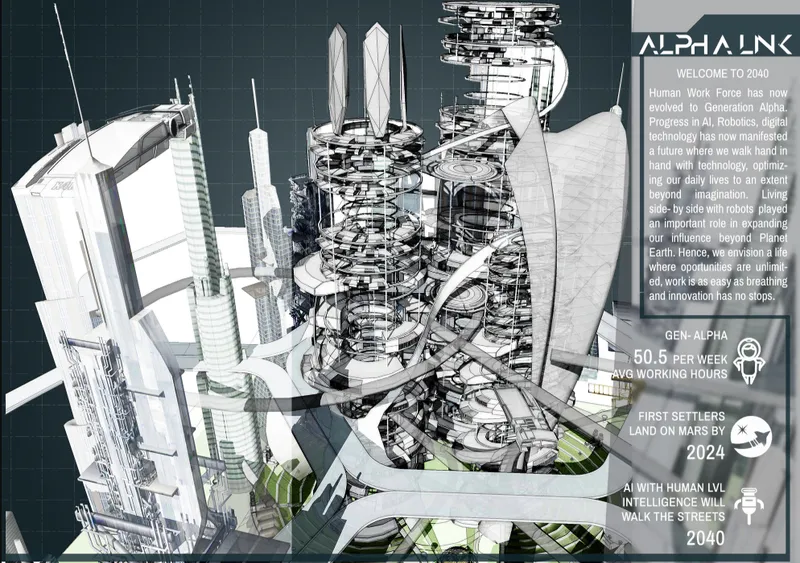
The rendered model reveals Alpha-Link's signature move: an exposed spiral circulation spine that wraps the central tower in a continuous helix. Surrounding high-rise clusters plug into this spine at multiple elevations, eliminating the conventional lobby-elevator-corridor sequence. Instead, movement through the building becomes three-dimensional and continuous. The spiral doubles as structural exoskeleton and public promenade, giving the megastructure a legible vertical streetscape visible from the surrounding city.
Mapping the Evolution from Graphene to Automation
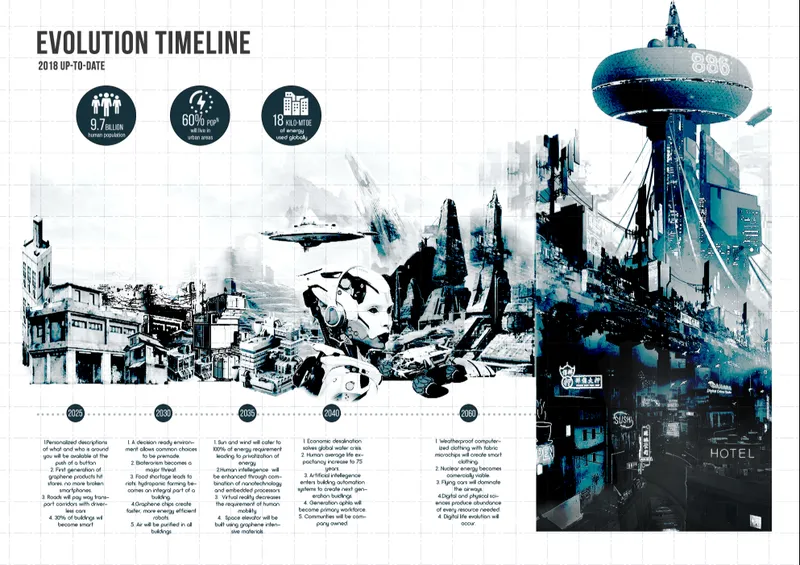
The infographic timeline lays out a phased vision of urban transformation. From 2025 to 2035, bio-inspired materials and sustainable energy integration begin reshaping cityscapes. By 2040, desalination solutions and AI-driven public systems redefine urban resilience. The disc-shaped tower form that emerges at the timeline's apex signals a departure from the rectangular extrusions of 20th-century high-rises toward layered, organic silhouettes that can expand or contract as demand shifts.
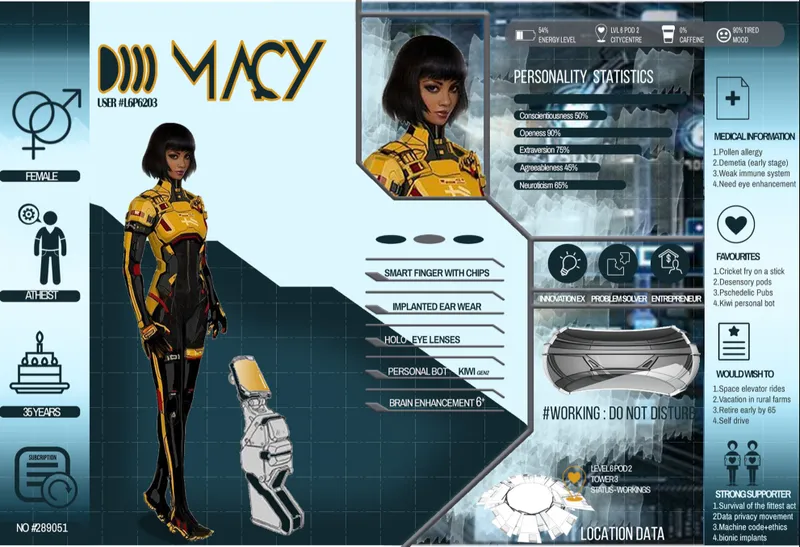
The character design panel adds a human dimension that many speculative projects neglect. Figures equipped with augmented interface overlays and prosthetic components illustrate how the body itself becomes an extension of the building's intelligence. In Alpha-Link's world, AI with human-level cognition walks the streets and works alongside people. The panel makes that coexistence tangible: augmented citizens are not accessories to the architecture but co-authors of its daily performance.
Curved Glass Pods and Interior Transit Sequences
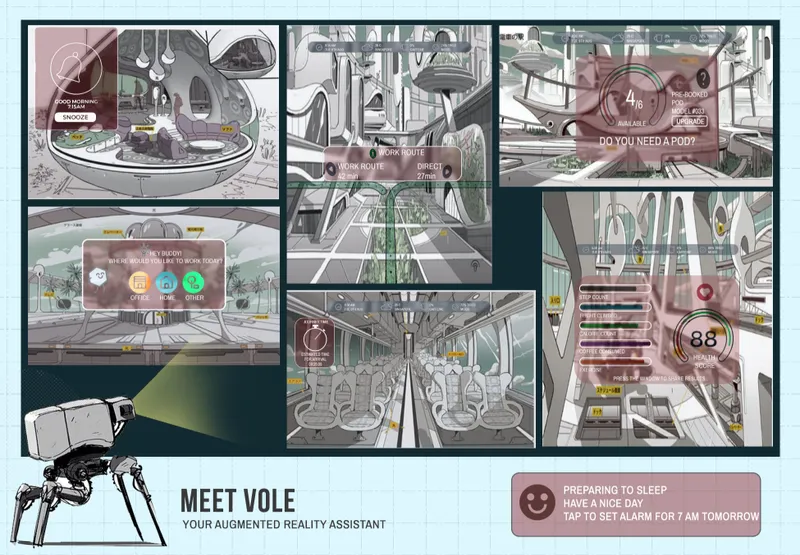
A storyboard sequence pulls the viewer inside the building's transit network. Curved glass pods glide through interior corridors lined with interface screens, suggesting a mode of in-building travel closer to a horizontal elevator than a hallway. These are fragments of what the designers call the Hyperlink circulation system: tubes that transition from underground subway lines to vertical shafts, binding sky-pod colonies into a single uninterrupted mobility network. The storyboard's sequential framing emphasizes that architecture here is experienced in motion, not from a fixed vantage point.
Stacked Spiral Floor Plates Dissolving into Fog
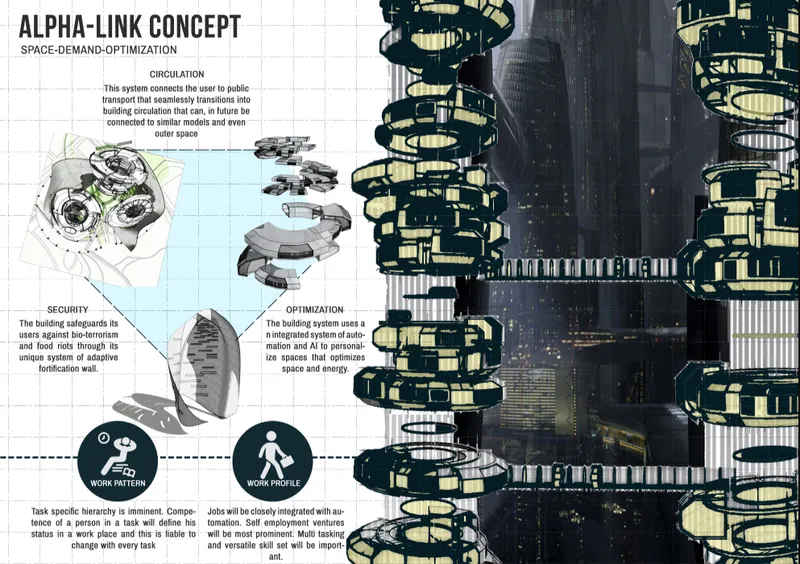
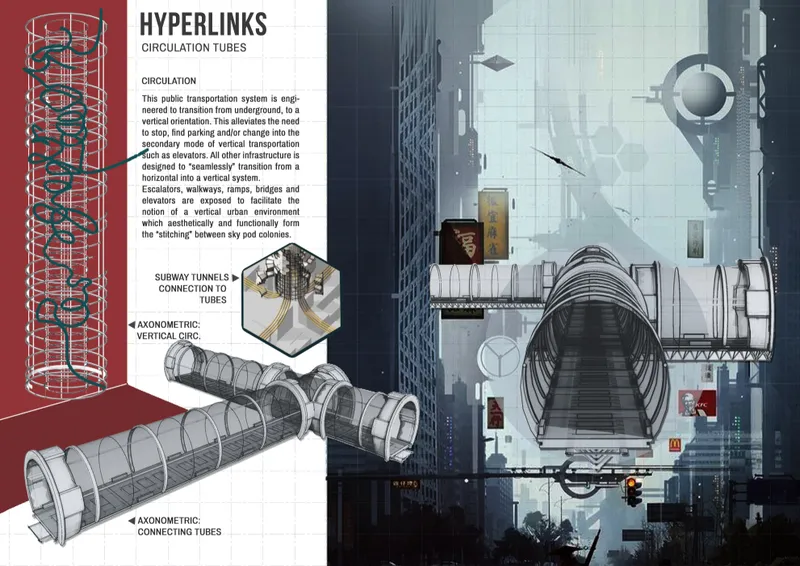
The rendering of stacked spiral floor plates wrapped in continuous ribbon windows captures the vertical colony at atmospheric scale. Fog softens the tower's upper reaches, reinforcing the sense that this is a living ecosystem rather than a finite object. Each floor plate rotates slightly from the one below, maximizing solar exposure for residences on one side while shading offices on the other. The diagram that follows it strips away the atmosphere and exposes the mechanical logic: vertical circulation tubes connect to horizontal transit tunnels, creating a branching vascular system that keeps people, energy, and data flowing without bottlenecks.
The axonometric view clarifies how escalators, ramps, and bridges extend the building's connective tissue outward, reaching neighboring structures and ground-level transit infrastructure. Alpha-Link does not terminate at its property line; it plugs into the wider urban grid through a network of physical hyperlinks that treat the city itself as an extension of the building's circulatory system.
Why This Project Matters
Speculative projects live or die by the specificity of their proposals, and Alpha-Link earns credibility by grounding its futurism in concrete systems. Space-demand optimization is not a slogan here; it manifests in rotating floor plates, adaptive zoning, and a transit network that physically reconfigures the tower's connectivity. The design team resists the temptation to let glossy renderings do all the talking, backing up each visual with diagrams that explain how circulation, energy, and security actually operate.
More importantly, Alpha-Link reminds us that the most consequential question in futuristic architecture is not what the building looks like but how it behaves. By foregrounding adaptation over form, the project shifts the conversation from aesthetics to performance. In a discipline that too often treats speculation as an excuse for uncritical image-making, that shift is both welcome and necessary.
View the Full Project
About the Designers
Designers: Gokul, Mukul Verma, Kiranmayi Yenduri, Bhavini
Enter a Design Competition on uni.xyz
uni.xyz runs architecture and design competitions year-round that reward proposals with spatial conviction and real site intelligence.
Project credits: Alpha-Link by Gokul, Mukul Verma, Kiranmayi Yenduri, Bhavini.


Popular Articles
Popular articles from the community

Temporary Home for Dogs: A Reversed Zoo Rethinks Animal Shelter Architecture
In Bucharest, a sinuous corridor and freed landscape flip the logic of containment, designing a shelter that works to make itself unnecessary.
Cloaked Colonization: A Mobile Underwater Habitat That Moves Like a Fish
Micah Abaya's shortlisted EHC Pacific entry reimagines ocean settlement as a dispersed network of self-sustaining architectural organisms.
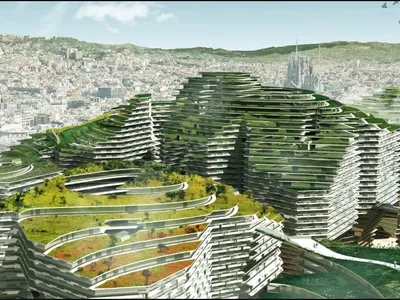
Manzana Morphosis: Stretching Barcelona's Grid into a Living Landscape for 2050
A radical reworking of the Eixample manzana turns density into a tool for generous public space, vertical ecology, and environmental performance.
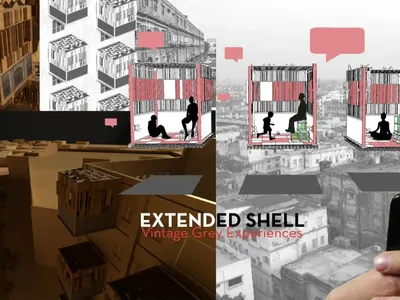
Extended Shell: Retrofitting Kolkata's Balconies as Living Urban Thresholds
A modular retrofit system recovers the social and environmental intelligence of Kolkata's historic verandas for contemporary Park Street residents.

Similar Reads
You might also enjoy these articles

Play: Fragments of Their World: Remembered Architecture Rebuilt as a Modular Playground for Refugee Camps
Tom Gardner abstracts domes, arches and towers from the homelands of displaced families into a kit of child-scaled play parts for camp settlements.
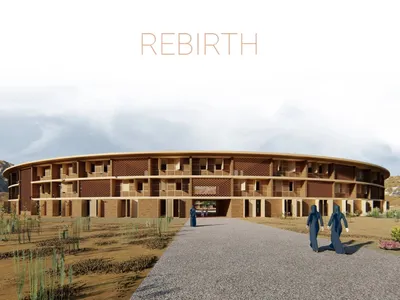
REBIRTH: A Circular Settlement Where Afghan Widows and Their Children Rebuild Life Together
A shortlisted Resile entry turns the circle into a protective ring of timber and brick, gathering homes, classrooms and gardens around a shared landscape.
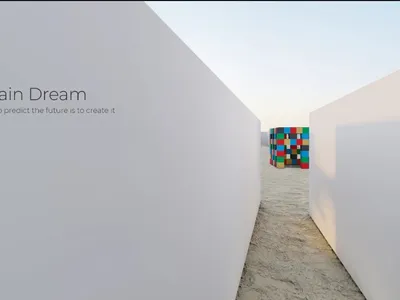
The Main Dream: A Recycled Plastic Kit That Lets Refugee Children Build Their Own Playground
Thirty-centimetre interlocking cubes that connect on three axes turn play into construction, letting children author the spaces they occupy.

Lunar Spiral: A Fibonacci-Driven Moon Settlement Rising from Shackleton Crater
Golden-spiral geometry organises buried infrastructure and orbiting habitable spheres into a lunar base designed to grow as life on the Moon expands.

Explore Futuristic Competitions
Discover active competitions in this discipline

Challenge to design mud housing for contemporary communities

Challenge to reimagine the Iron Throne

Photograph architecture without architects

Illustrate the lost glory of Angkor Wat - Render Challenge
Comments (0)
Please login or sign up to add comments
No comments yet. Be the first to comment!