
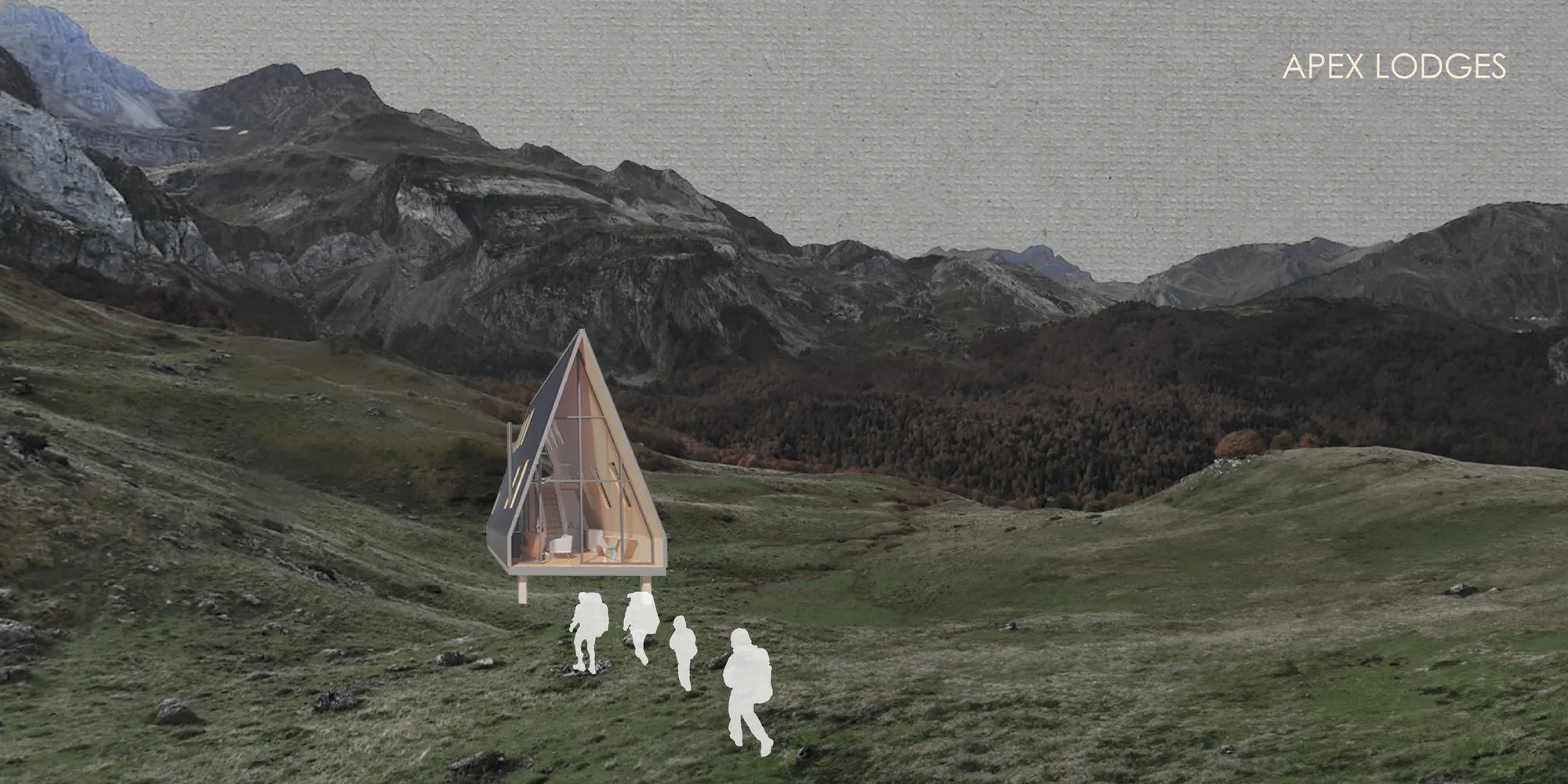
Apex Lodges: Blending Luxury and Shelter in the Heart of the Pyrenees
How a Sustainable Design Provides Refuge for Hikers with Style and Innovation


Apex Lodges
The Pyrenees, a mountain range straddling the border between France and Spain, is a hiker’s paradise. Known for its breathtaking landscapes, challenging terrains, and rich biodiversity, the region is also remote and often requires hikers to be self-reliant for long periods. Recognizing the need for better accommodations, the Apex Lodges by Jadine Sibblis were designed to enhance the hiking experience while ensuring safety and sustainability.
The project, which won the People's Choice Award in the Recharge competition, focuses on creating a series of lodges placed strategically along a popular hiking route. These lodges not only provide essential shelter but also introduce elements of luxury—offering hikers a restful, aesthetic, and sustainable retreat during their journey.
Sustainability Meets Luxury
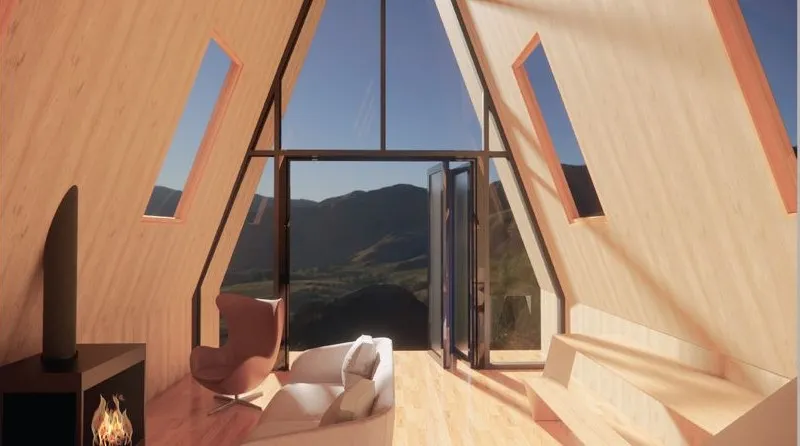
The Apex Lodges excel in balancing two seemingly contradictory ideals: sustainability and luxury. On one hand, they are fully equipped to operate off-grid, utilizing renewable energy and eco-friendly waste management systems. On the other, they offer a level of comfort and sophistication that is unexpected in such remote locations.
Each lodge is self-sufficient, using photovoltaic panels for electricity generation, rainwater collection systems for washing and drinking, and composting toilets to manage waste. These features ensure that the lodges leave a minimal environmental footprint, providing an excellent model for eco-conscious design.
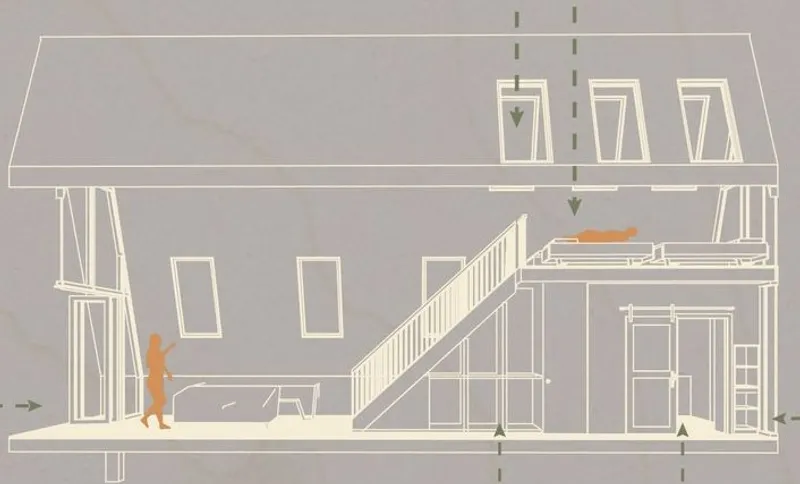
At the same time, the lodges are designed with comfort in mind. The interiors are carefully planned to maximize space, incorporating retractable skylights for natural lighting, wood fireplaces for heating, and sleek, modern furnishings. In this way, the lodges invite hikers to experience both the beauty of nature and the luxuries of modern living.
Design Evolution: From Traditional to Organic A-Frame
One of the most striking aspects of the Apex Lodges is how their forms evolve along the route. The first lodge begins with a traditional A-frame structure—a familiar design in wilderness architecture. However, as hikers progress, the lodges gradually transition into an organic A-frame design, merging with the landscape in a more fluid, natural form.
This transformation in shape serves both aesthetic and functional purposes. The traditional A-frame, known for its simple, sturdy construction, provides a reliable shelter. As the route becomes more challenging, the lodges shift to a more organic form, designed to better blend into the natural surroundings, offering more expansive views and a deeper connection to the environment.
The gradual shift in form also symbolizes the transformation of the hiking experience itself, moving from a conventional start to a more immersive and natural experience as hikers go deeper into the wilderness.
Self-Sufficiency: Functionality in Remote Areas
Remote environments, like the Pyrenees, demand careful planning in terms of infrastructure and resource management. The Apex Lodges are designed to be fully self-sufficient, addressing key challenges such as water access, energy generation, and waste disposal in a sustainable way.
Water Collection and ManagementA key feature of the lodges is their rainwater collection system, which captures and filters rainwater for washing and drinking purposes. By utilizing natural precipitation, the lodges reduce the need for external water sources, making them an ideal choice for remote locations. This system is supported by filtration technologies that ensure the water is safe for drinking.
Energy EfficiencySolar energy powers the lodges, with photovoltaic panels installed to generate electricity for lighting, charging devices, and other needs. This renewable energy solution ensures that the lodges can operate off-grid without relying on external power supplies, reinforcing their self-sufficiency.
Waste ManagementThe lodges are also equipped with composting toilets, which help reduce water consumption and manage waste in an eco-friendly way. This system aligns with the overall philosophy of minimal environmental impact, while ensuring that the lodges remain hygienic and comfortable for visitors.

Materiality and Environmental Harmony
Material selection plays a crucial role in the sustainability and functionality of the Apex Lodges. Each lodge is constructed using cross-laminated timber (CLT), a material known for its strength, durability, and excellent insulating properties. CLT also has a low carbon footprint, making it an ideal choice for sustainable building practices.
The cladding of the lodges is made from charred wood, a traditional Japanese technique known as shou sugi ban. This process of charring wood creates a durable, weather-resistant surface that requires minimal maintenance, ensuring the lodges can withstand the harsh elements of the Pyrenees. Additionally, this technique gives the lodges a distinctive, natural aesthetic that complements the surrounding environment.
By choosing these materials, the designers not only ensure the longevity of the structures but also create a minimal visual and ecological impact on the landscape.

Adaptive Spaces for Shelter and Comfort
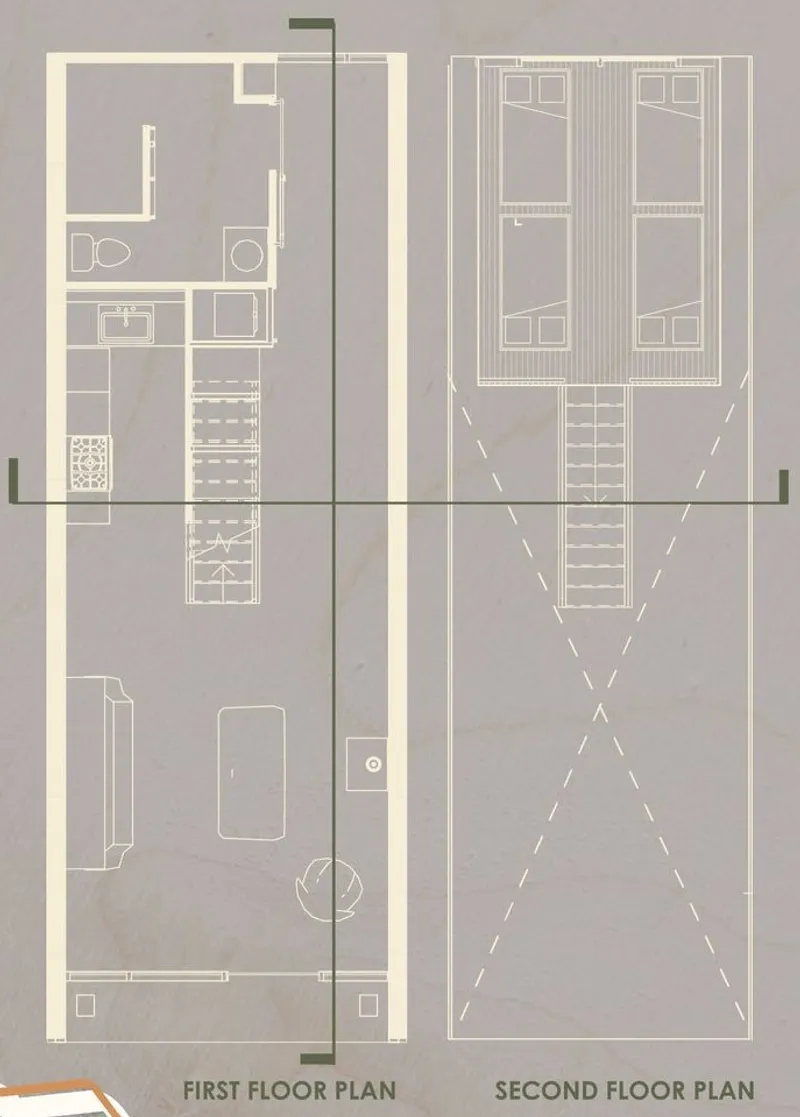
One of the key challenges in designing wilderness shelters is ensuring they can accommodate varying numbers of hikers, especially in emergency situations. The Apex Lodges solve this problem through adaptive interior designs.
The open floor plans of the lodges allow for flexibility, with built-in benches that serve both as seating areas and as additional sleeping space when needed. These benches are designed with storage space underneath, maximizing functionality without compromising comfort.
The lodges are divided into two floors, with sleeping areas typically located on the upper level for privacy and rest. This layout ensures that multiple hikers can use the space efficiently, whether they are seeking refuge from the elements or simply resting during their journey.
Integrating Nature: A Holistic Hiking Experience
Nature is an integral part of the Apex Lodges' design. Large skylights, retractable windows, and open patios ensure that hikers can enjoy stunning views of the Pyrenees, even from within the shelter of the lodge. These design elements bring the outside in, allowing hikers to remain connected to the landscape while staying protected from the elements.
The orientation of each lodge is carefully considered to maximize natural light and views. Skylights provide not only an aesthetic touch but also allow for passive heating, reducing the need for additional energy consumption. The wood-fired fireplaces, strategically placed within each lodge, provide warmth and create a cozy, welcoming atmosphere, enhancing the overall experience for hikers.
Why Apex Lodges Are a Blueprint for the Future of Wilderness Shelters
The Apex Lodges represent a new frontier in wilderness shelter design, combining sustainability, luxury, and practicality in a way that few other projects have achieved. By focusing on renewable energy, eco-friendly waste management, and materials that blend seamlessly with the environment, the lodges set a new standard for what wilderness shelters can and should be.
As outdoor recreation continues to grow in popularity, the need for sustainable, comfortable shelters in remote locations will only increase. The Apex Lodges provide a blueprint for future projects, demonstrating that it is possible to create structures that are both functional and luxurious, without compromising on environmental responsibility.

Elevating Shelter Design for Outdoor Enthusiasts
The Apex Lodges are a remarkable achievement in wilderness architecture, offering hikers a unique combination of luxury, sustainability, and shelter. By integrating self-sufficiency with modern design, they ensure that hikers can enjoy the natural beauty of the Pyrenees while staying safe and comfortable.
As a model for future wilderness shelters, the Apex Lodges prove that it is possible to elevate the hiking experience through thoughtful design that prioritizes both the needs of hikers and the preservation of the environment. Whether you’re an outdoor enthusiast or an architectural aficionado, the Apex Lodges showcase the potential for innovation in sustainable shelter design.




Popular Articles
Popular articles from the community


Co-life: Sustainable Architecture for Age-Friendly Community Living
Co-life reimagines sustainable architecture for seniors through courtyards, rammed earth, shared gardens, and spaces designed for belonging.

The Musturak Paradise: Senior Living Architecture for a Connected Future in Temara, Morocco
The Musturak Paradise reimagines senior living architecture in Temara via private homes, social spaces, culture, community, and shared care.

Hill & Cross Opera: Sculptural Opera House Architecture Shaped by Tallinn’s Landscape and Identity
Hill & Cross Opera reimagines opera house architecture in Tallinn through its sculptural hill, civic plaza, glass wave and a luminous cross.

Riyadh For All: Intergenerational Urban Design for Active Aging in Rabat
Riyadh For All reimagines urban design in Rabat with intergenerational co-living, adaptive courtyards, and Moroccan cultural exchange today.


Similar Reads
You might also enjoy these articles

Day and Night Park: A Time-Based Urban Newsstand in Beijing
A temporary urban newsstand in Beijing blending travel, light, and reading through poetic colors, compact form, and community-focused design.

Modernist Patio Renovation in El Masnou, Barcelona by Oliver Segura Arquitectura + Cebrià Arquitectura
Modernist patio renovation blending tradition and innovation with a movable pool, leveled floors, and Catalan materials in El Masnou.
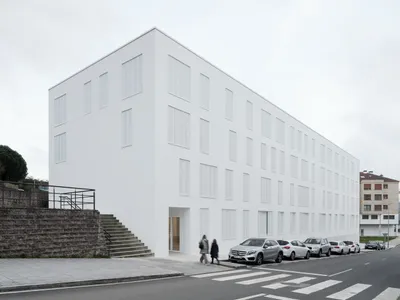
Alto Residencial Coop: Cooperative Housing Development in Santiago de Compostela by Carbajo Barrios Arquitectos
A linear cooperative housing complex blending white volumes and perforated metal façades, enhancing community living, natural light, privacy, and urban integration.
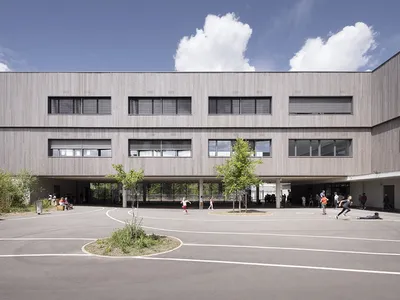
Vil Genis School by BPA ARCHITECTURE – Massy, France
Vil Genis School in Massy, France, features sustainable design, south-facing classrooms, community integration, accessible spaces, and modern educational architecture.

Explore Sustainable Design Competitions
Discover active competitions in this discipline



Challenge to reimagine the Iron Throne


Photograph architecture without architects


Illustrate the lost glory of Angkor Wat - Render Challenge


Design challenge to reuse E-waste
Comments (0)
Please login or sign up to add comments
No comments yet. Be the first to comment!