
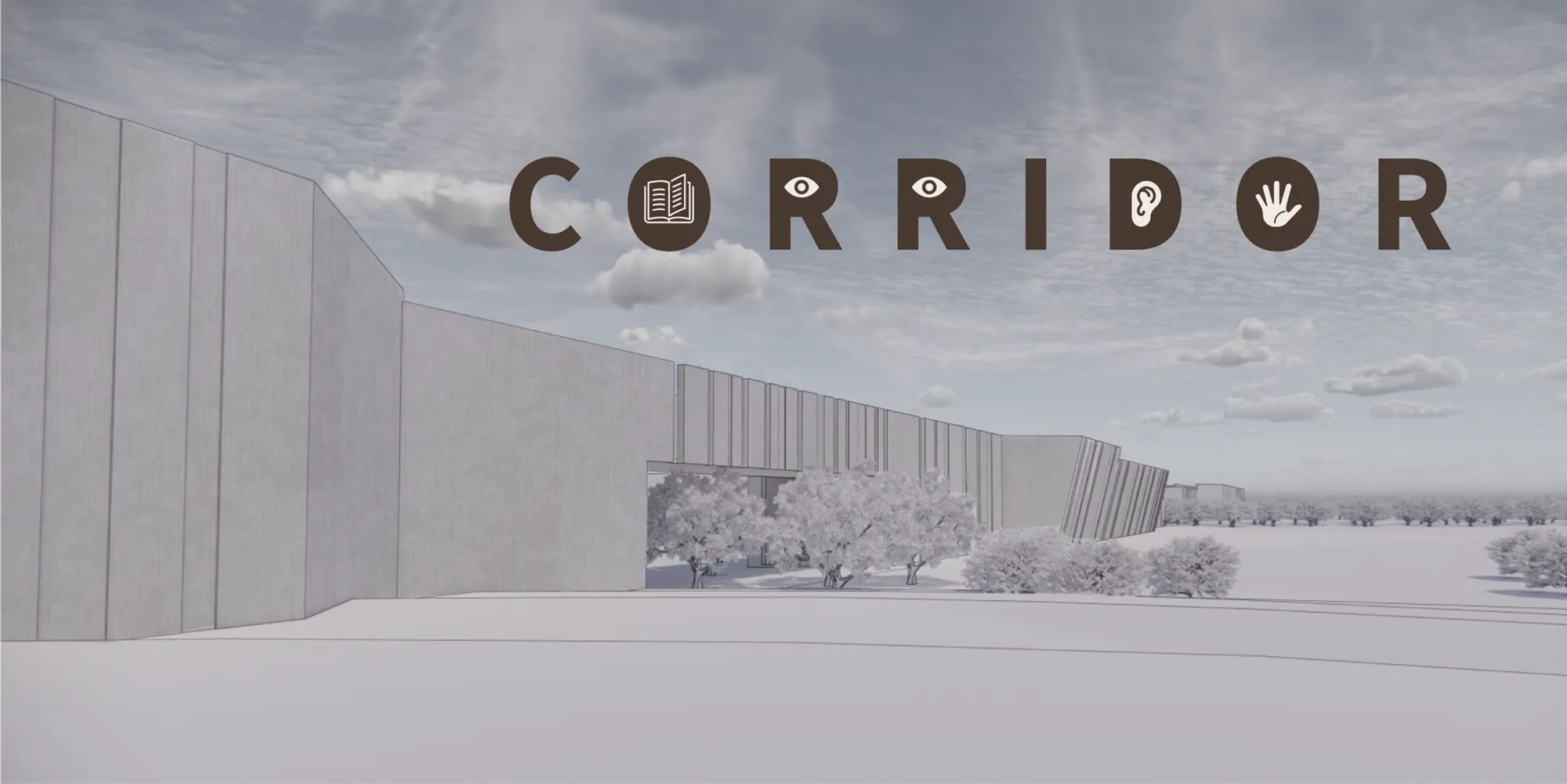
Innovative Library Design: Bridging the Past and Future in Urban Contexts
An in-depth examination of CORRIDOR, a library blending innovative design with the urban fabric to foster collective learning.


In the heart of a bustling city, a new structure rises—not just a building, but a beacon of knowledge and innovation. The CORRIDOR library, conceived by visionaries Altug Tumer, Begum Ceyhan, and Aykut Nesne, represents a paradigm shift in innovative library design. With its linear form cutting through the urban landscape, CORRIDOR emerges as more than a repository of books—it is a living interface connecting time, space, and society.

A Modern Mediator: The Library as Interface
CORRIDOR transcends the conventional function of a library. It stands as a cultural conduit, marrying the historical context of the city with the progressive spirit of a modern academic hub. This innovative library design does not merely sit in its surroundings; it actively bridges the old with the new,
facilitating a dialogue between generations of learners and literati.
Tectonic Movements: The Dance of Structure and Function
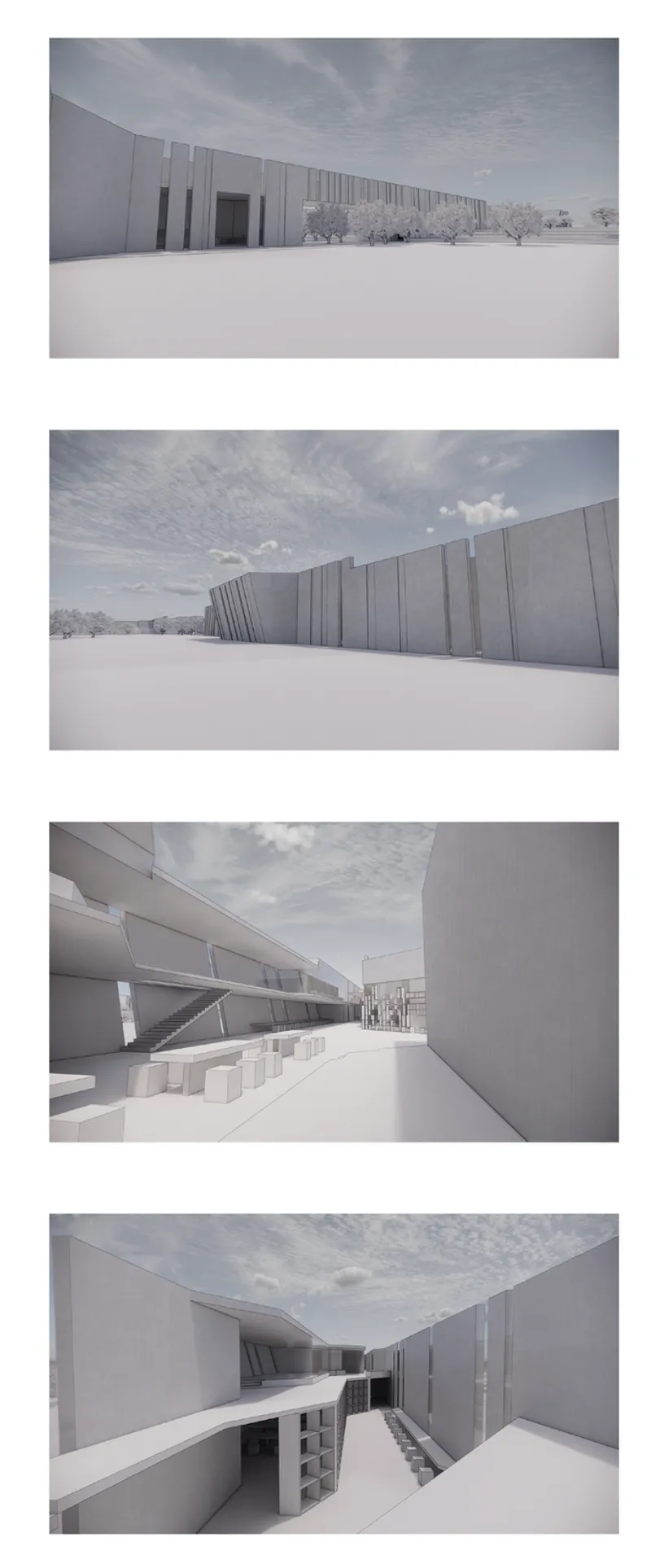
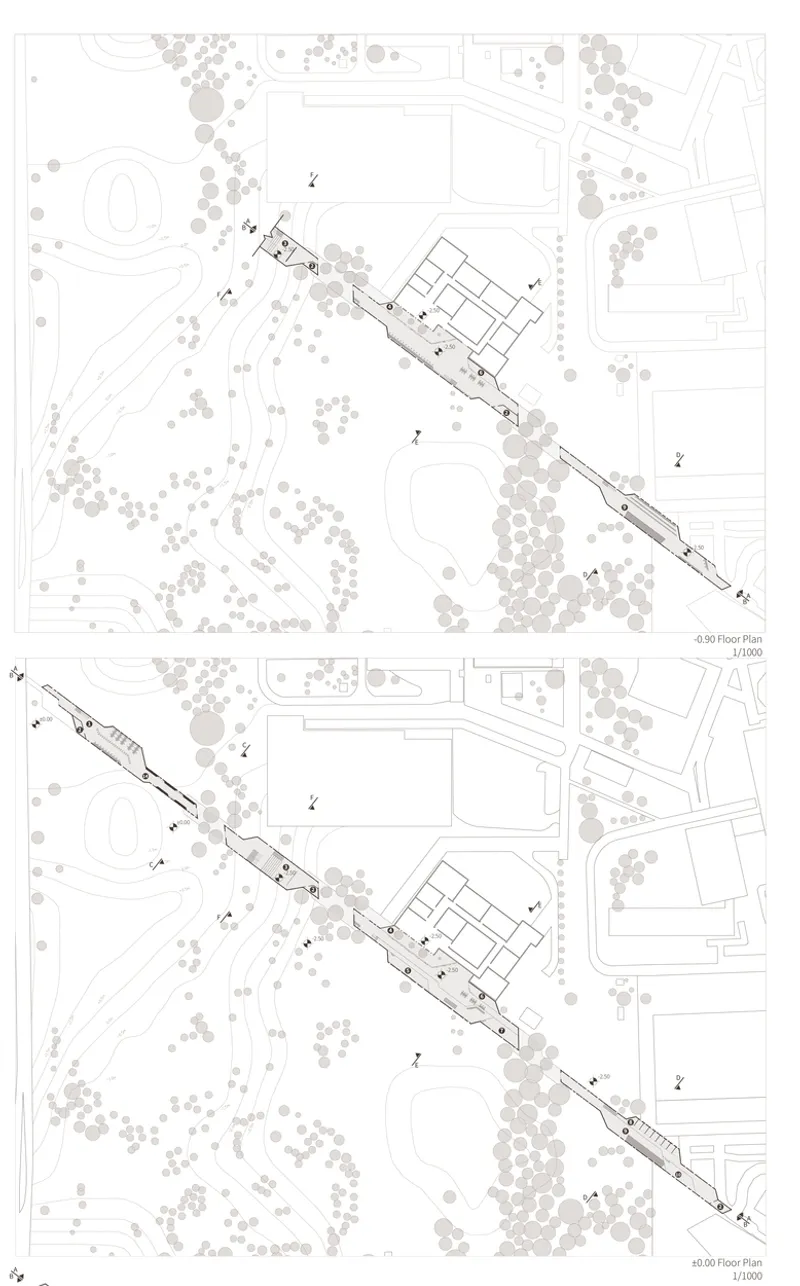
At the very core of CORRIDOR’s innovative library design lies the concept of tectonic movements—dynamic spaces that can adapt, reflect, and serve the myriad needs of its patrons. This architectural ballet enables the library to offer an array of indoor and outdoor experiences, from quiet reading nooks bathed in sunlight to collaborative areas where ideas spark and fly.
Zoning with a Purpose: From Quiet Contemplation to Vibrant Interaction
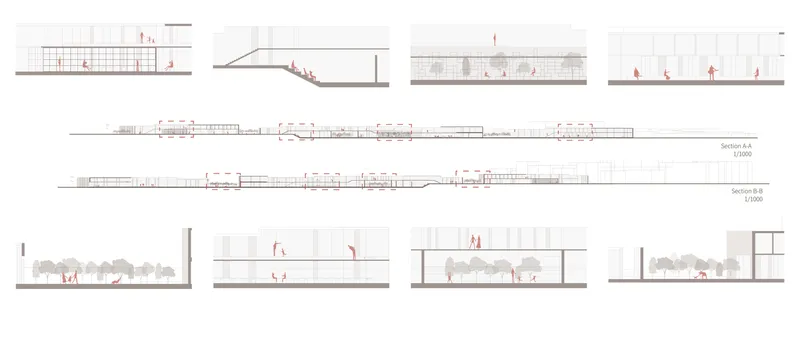
The spatial design of CORRIDOR is a masterclass in zoning. Each area, from the group working zones to the VR studios and the visual book media studios, is carefully crafted to support its intended use. The innovative library design ensures a seamless flow from the tranquil courtyard, perfect for reflection, to the bustling exhibition areas, where creativity is on full display.
Seamless Integration: A Shortcut through Knowledge Landscapes
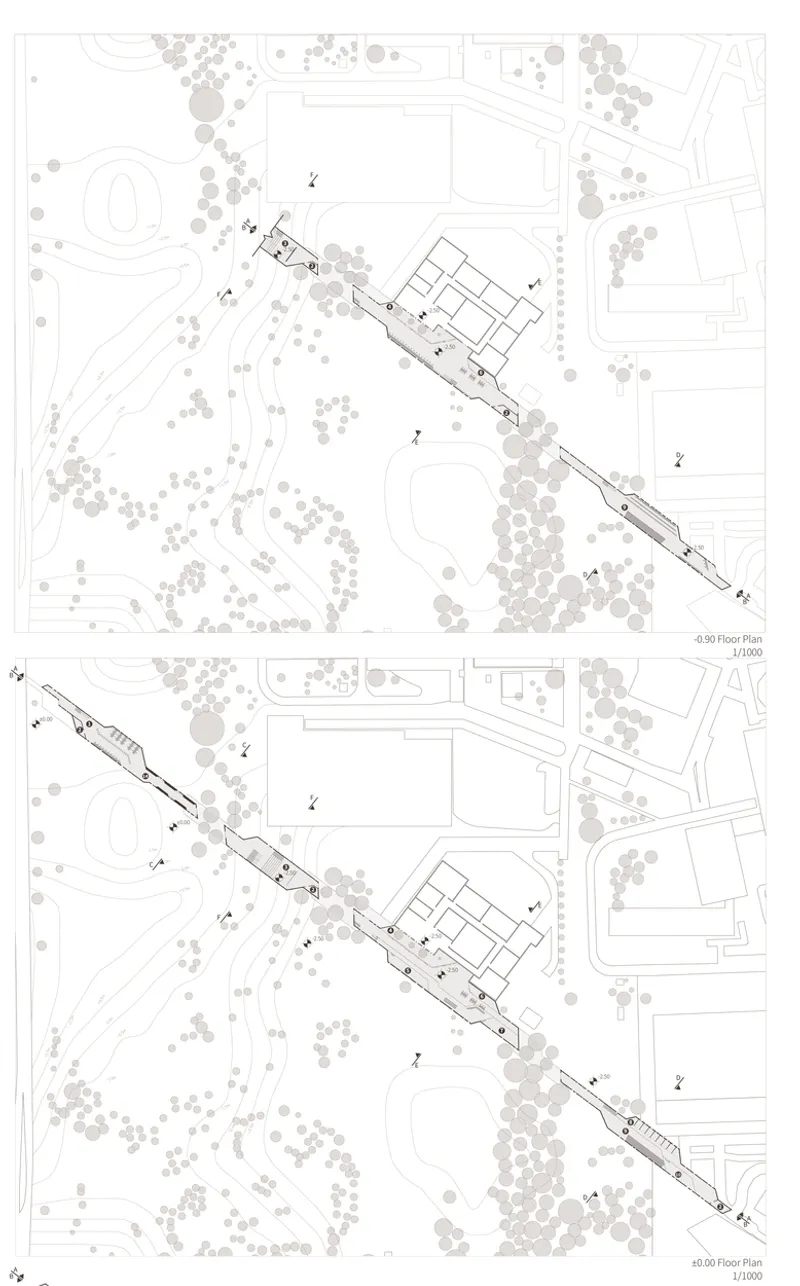
One of the defining features of this innovative library design is its strategic placement, creating a literal and metaphorical shortcut between the city's heart and the intellect's haven, the university. CORRIDOR does not disrupt the flow; it enhances it, encouraging a constant stream of knowledge-seekers and casual visitors alike.
A Symphony of Materials: Echoing the Library’s Ethos
The choice of materials in CORRIDOR’s design is far from arbitrary. Each texture and finish is selected to resonate with the library’s ethos of openness and accessibility, while also ensuring sustainability. The facade, with its concrete elegance, simultaneously speaks of strength and the gravity of knowledge within.

Architectural Innovation as a Catalyst for Learning
CORRIDOR represents a bold step in innovative library design, where architectural innovation sparks educational revolutions. It’s not just about the books or the technology; it’s about creating spaces that invite engagement, inspire curiosity, and cultivate learning in ways previously unimagined.
The Future Written in the Walls
As cities evolve, so must our institutions. CORRIDOR is more than a building; it's a vision of the future. In this innovative library design, every corridor, every wall, every open space is imbued with the potential for discovery, inviting all who enter to embark on a lifelong journey of learning.
In an era where information is ubiquitous and the digital world has transformed how we access knowledge, CORRIDOR stands as a testament to the enduring power of place—a place designed to inform, inspire, and innovate. It is a hub where the architectural brilliance converges with the thirst for knowledge, serving as a linchpin in the cultural and educational landscape of the city.

The innovative library design of CORRIDOR, created by Altug Tumer, Begum Ceyhan, and Aykut Nesne, serves as a compelling narrative of progression, reflecting the zeitgeist of our times. It’s where the past and the future are not at odds but in dialogue—a harmonious confluence of tradition and innovation.
The very essence of CORRIDOR is a clarion call to architects, designers, and city planners worldwide. It is a shining example of how spaces can be designed with a deep understanding of their context and the needs of their users, creating not just buildings, but experiences that elevate, educate, and endure.



Popular Articles
Popular articles from the community


Hill & Cross Opera: Sculptural Opera House Architecture Shaped by Tallinn’s Landscape and Identity
Hill & Cross Opera reimagines opera house architecture in Tallinn through its sculptural hill, civic plaza, glass wave and a luminous cross.

The Earth Pod: 3D Printed Homes for Resilient Refugee Communities
The Earth Pod reimagines refugee housing through 3D printed homes made from clay, combining resilience, self-sufficiency, and rapid shelter.

Conexión: Biophilic Design Reimagines High-Rise Living in Hong Kong
Conexión reimagines high-rise living in Hong Kong through biophilic design, green facades, shared spaces, daylight, water and nature within.

Riyadh For All: Intergenerational Urban Design for Active Aging in Rabat
Riyadh For All reimagines urban design in Rabat with intergenerational co-living, adaptive courtyards, and Moroccan cultural exchange today.

Similar Reads
You might also enjoy these articles

Day and Night Park: A Time-Based Urban Newsstand in Beijing
A temporary urban newsstand in Beijing blending travel, light, and reading through poetic colors, compact form, and community-focused design.

Modernist Patio Renovation in El Masnou, Barcelona by Oliver Segura Arquitectura + Cebrià Arquitectura
Modernist patio renovation blending tradition and innovation with a movable pool, leveled floors, and Catalan materials in El Masnou.
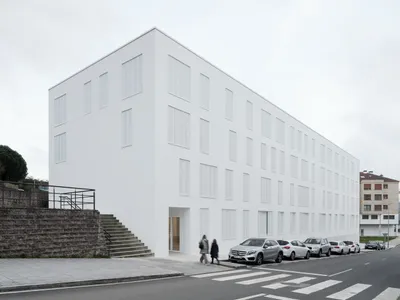
Alto Residencial Coop: Cooperative Housing Development in Santiago de Compostela by Carbajo Barrios Arquitectos
A linear cooperative housing complex blending white volumes and perforated metal façades, enhancing community living, natural light, privacy, and urban integration.
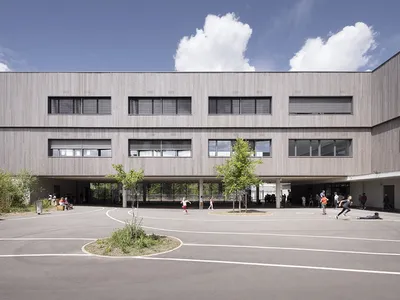
Vil Genis School by BPA ARCHITECTURE – Massy, France
Vil Genis School in Massy, France, features sustainable design, south-facing classrooms, community integration, accessible spaces, and modern educational architecture.


Explore Educational Building Competitions
Discover active competitions in this discipline



Challenge to design public laboratory


Challenge to reimagine the Iron Throne


Photograph architecture without architects


Illustrate the lost glory of Angkor Wat - Render Challenge
Comments (0)
Please login or sign up to add comments
No comments yet. Be the first to comment!