Nomino Takayuka House by Kazuto Nishi Architects – Harmonious Modern Living in Nomi, Japan
Elevated design connects main house and new structure, fostering interaction, comfort, and open-air living under expressive eaves in Ishikawa.


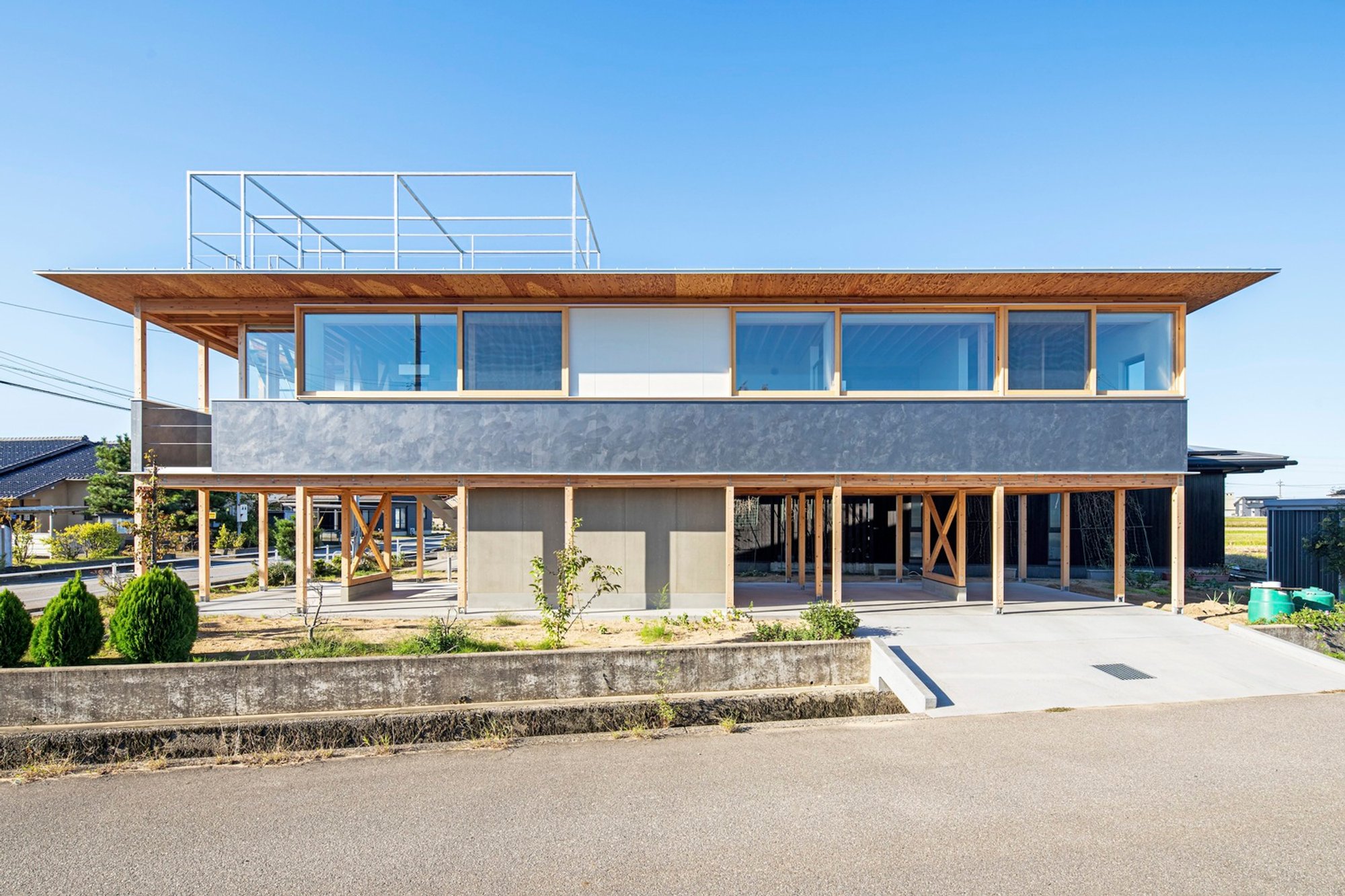
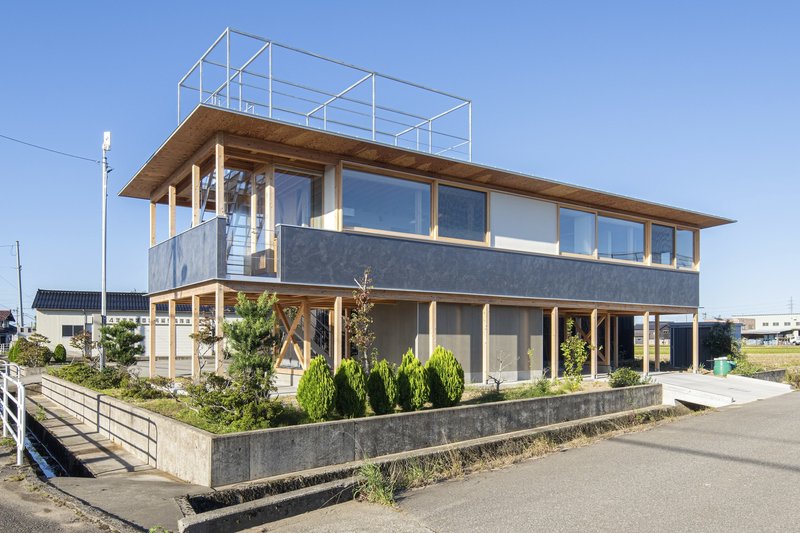
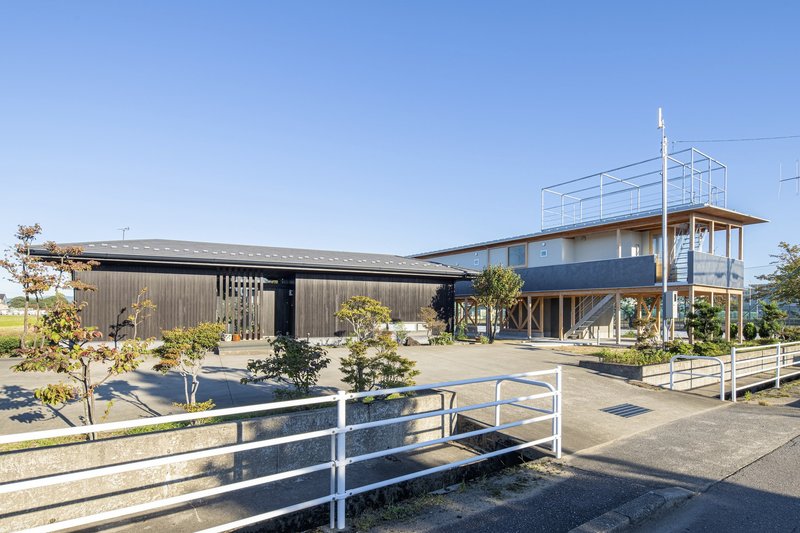
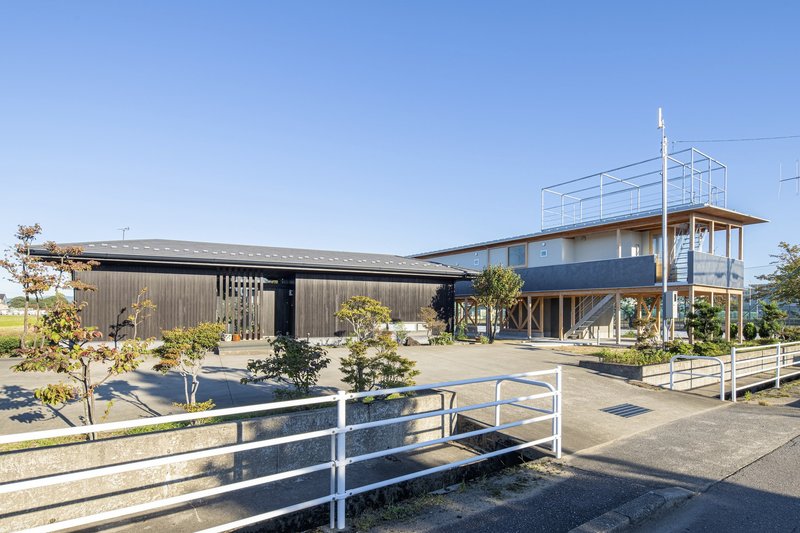
Located in Nomi, Ishikawa Prefecture, the Nomino Takayuka House by Kazuto Nishi Architects (2022) is a masterful example of modern residential architecture that balances comfort, spatial fluidity, and community interaction. Situated adjacent to a main house built a decade earlier, the project carefully respects the lifestyle of existing residents while introducing new vitality to the site. The design achieves this by creating seamless relationships between indoor and outdoor spaces, integrating natural elements, and promoting shared experiences.
Thoughtful Planning and Spatial Flow
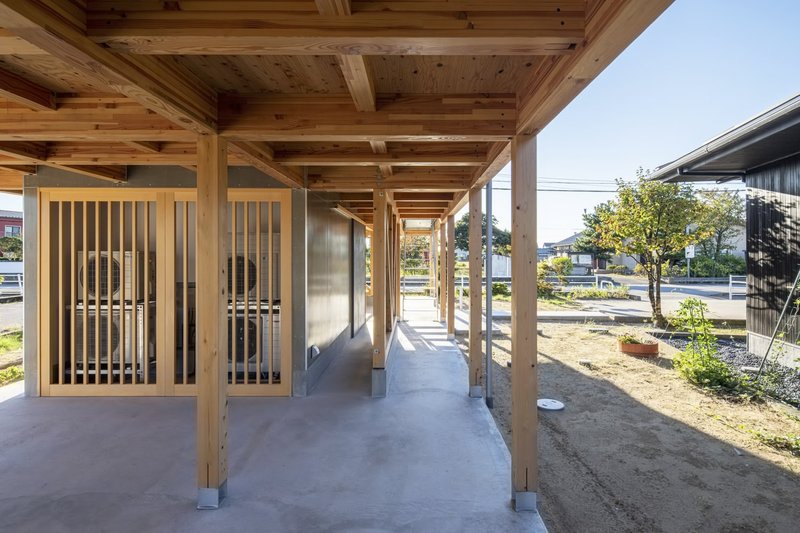
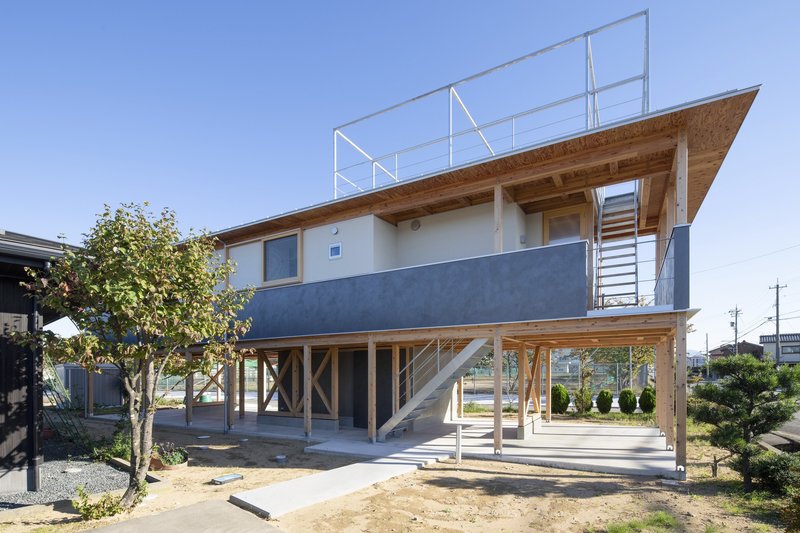
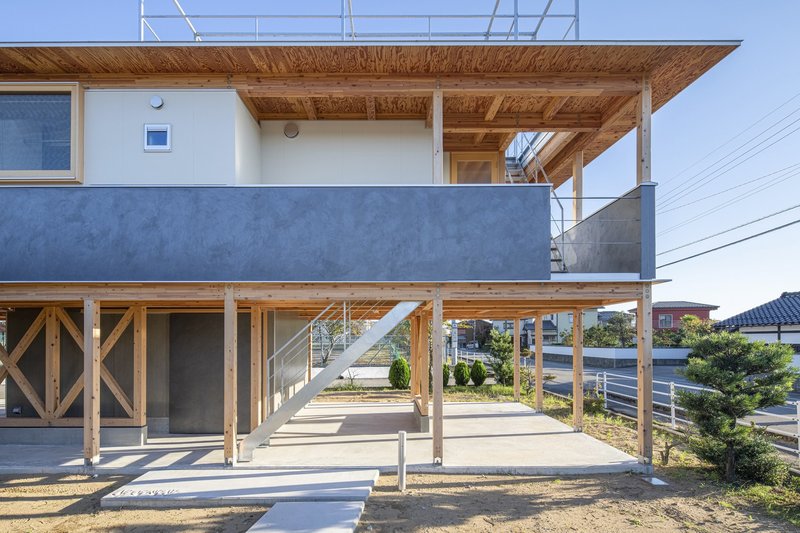
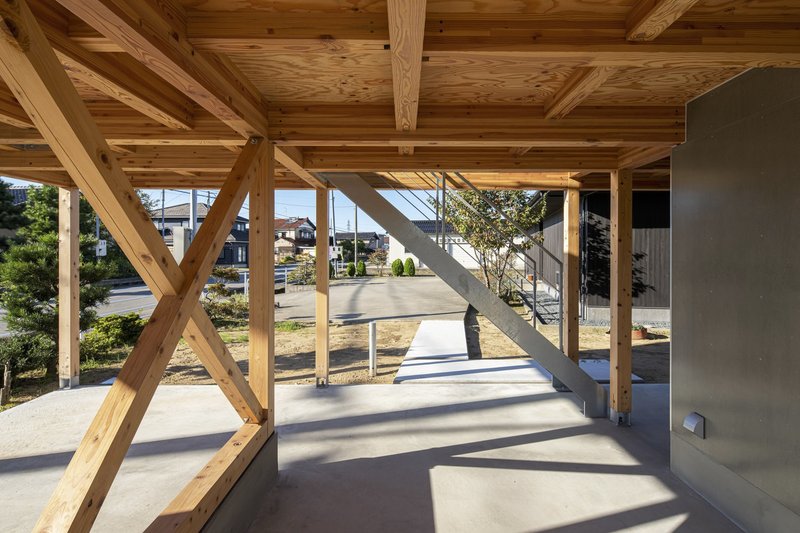
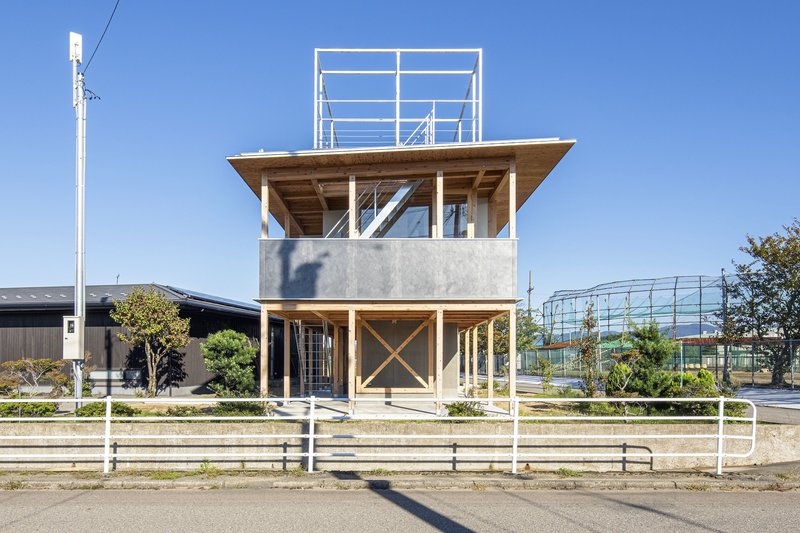
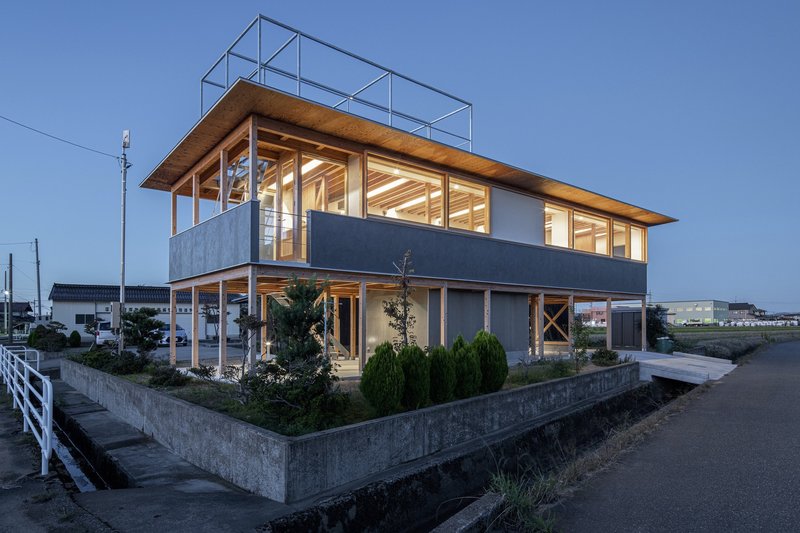
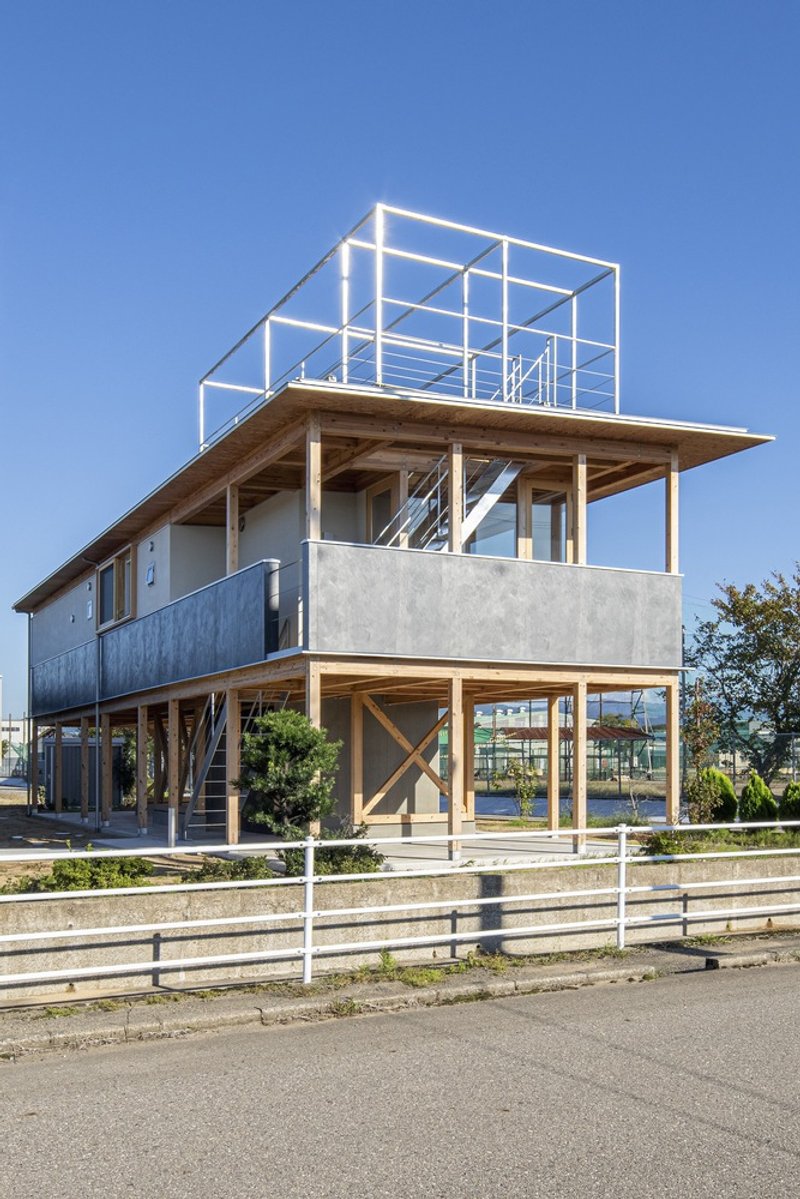
The house is strategically elevated, generating an expansive under-eaves area that encourages movement and interaction among occupants and visitors. This architectural feature not only connects the new building with the existing main house but also provides a sheltered outdoor space suitable for all weather conditions. In a region like Ishikawa, where rainfall is significant, the under-eaves area contributes to a comfortable and functional daily life.
Connecting Inside and Outside
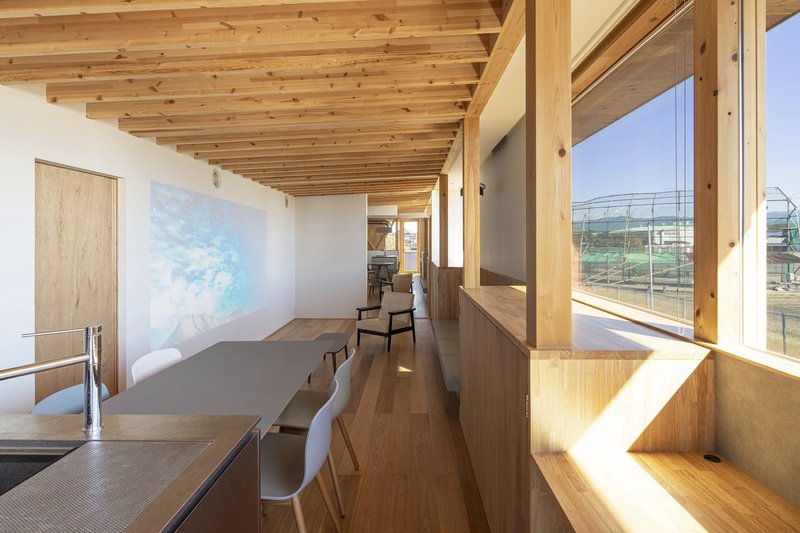
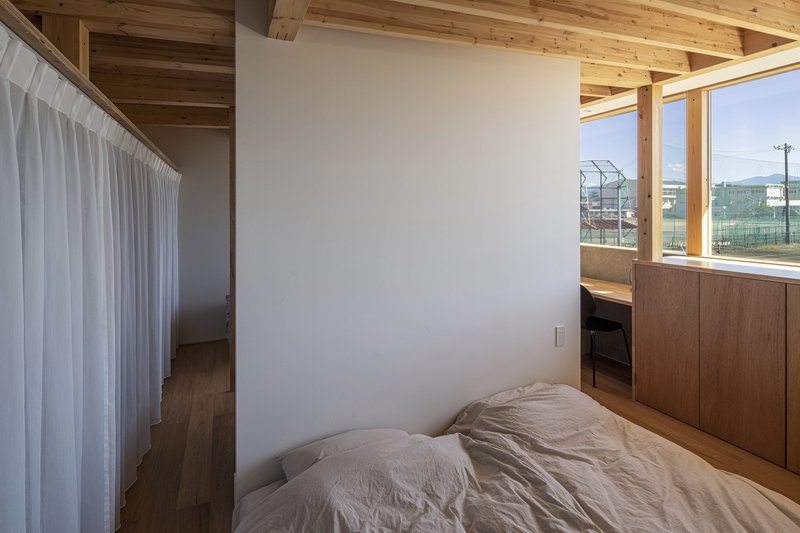
The interiors feature open, light-filled spaces with visible structural elements that harmonize with the exterior. Large windows frame views of the sky, the eaves, and surrounding landscape, creating a natural sense of openness. The flow between the main house and the new structure fosters a unique dialogue, where both buildings complement and energize each other. The result is a balanced architectural composition that blurs the line between old and new, inside and outside.
Materiality and Design Expression
Materials were chosen to enhance transparency, warmth, and durability, including Aica Kogyo Company Limited surfaces and Toyo Kitchen fittings. Structural elements are deliberately exposed, turning construction into an expressive design feature. The house embodies a living environment that is both aesthetically refined and functionally supportive, encouraging residents to engage with their surroundings freely and comfortably.
Creating a New Landscape
By linking the main and new buildings and utilizing under-eaves spaces creatively, the Nomino Takayuka House redefines residential living on its site. It fosters communal interaction, encourages natural movement, and contributes to the area’s overall vitality. The architectural approach demonstrates a subtle yet impactful way of generating harmony between structures, landscapes, and daily life.
All photographs are works of
Takashi Mukai