

Qom Meteorological Research Center: Sustainable Architecture in Hot and Dry Climates
Qom Meteorological Research Center in Iran uses sustainable, climate-responsive design, maximizing natural light and energy efficiency while ensuring comfort and flexibility.


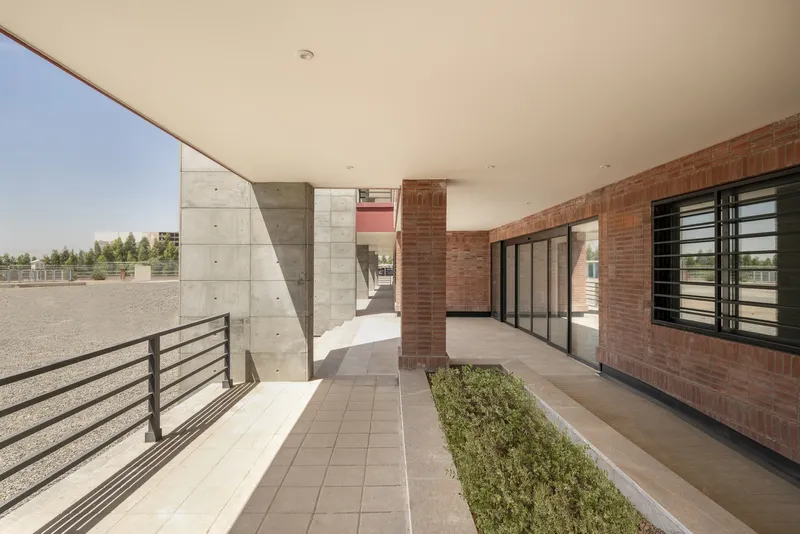
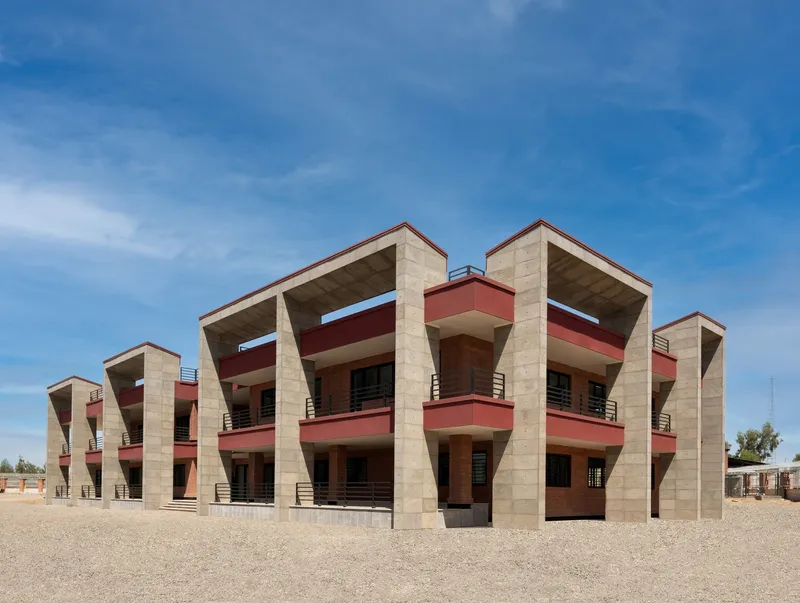
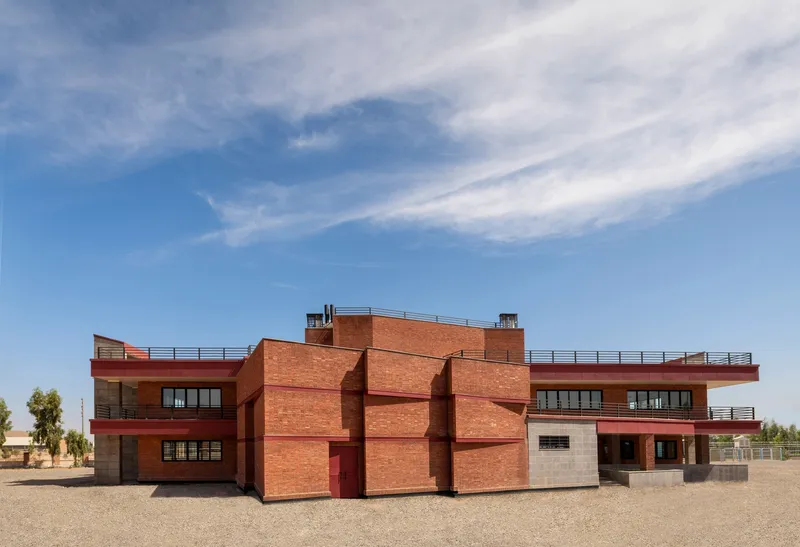
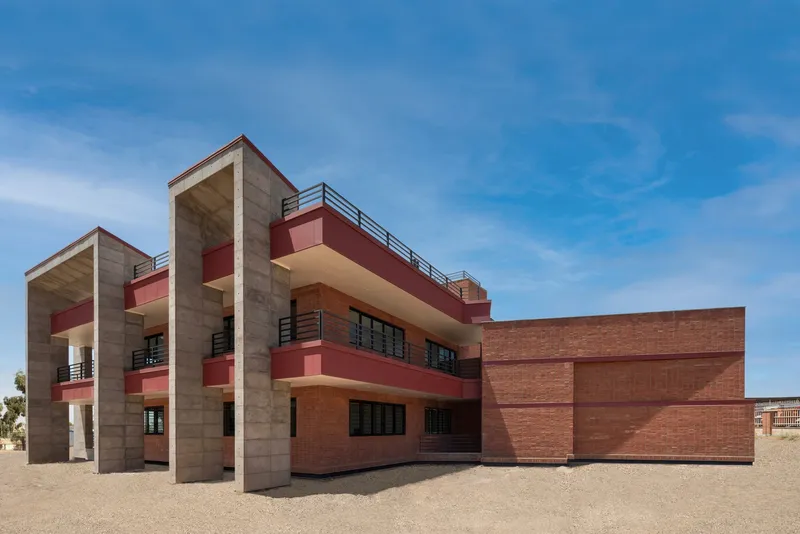
Located in Qom, Iran, the Qom Meteorological Research Center by Eade Va Ejra is a cutting-edge project emphasizing energy efficiency, sustainability, and climate-responsive design. Spanning 2,700 m² and completed in 2022, this research facility demonstrates how thoughtful architectural strategies can drastically reduce energy consumption in hot, arid regions. Photographs by Deed Studio capture the project’s innovative balance of form, function, and environmental responsibility.
Sustainable Design for Energy Efficiency
With global energy consumption steadily increasing and fossil fuels remaining the dominant energy source, sustainable design has never been more critical. In Iran, nearly 98% of energy is derived from fossil fuels, highlighting the need for energy-conscious architecture. The Qom Meteorological Research Center addresses this challenge by incorporating passive design strategies, maximizing natural light, and minimizing reliance on mechanical heating and cooling systems.
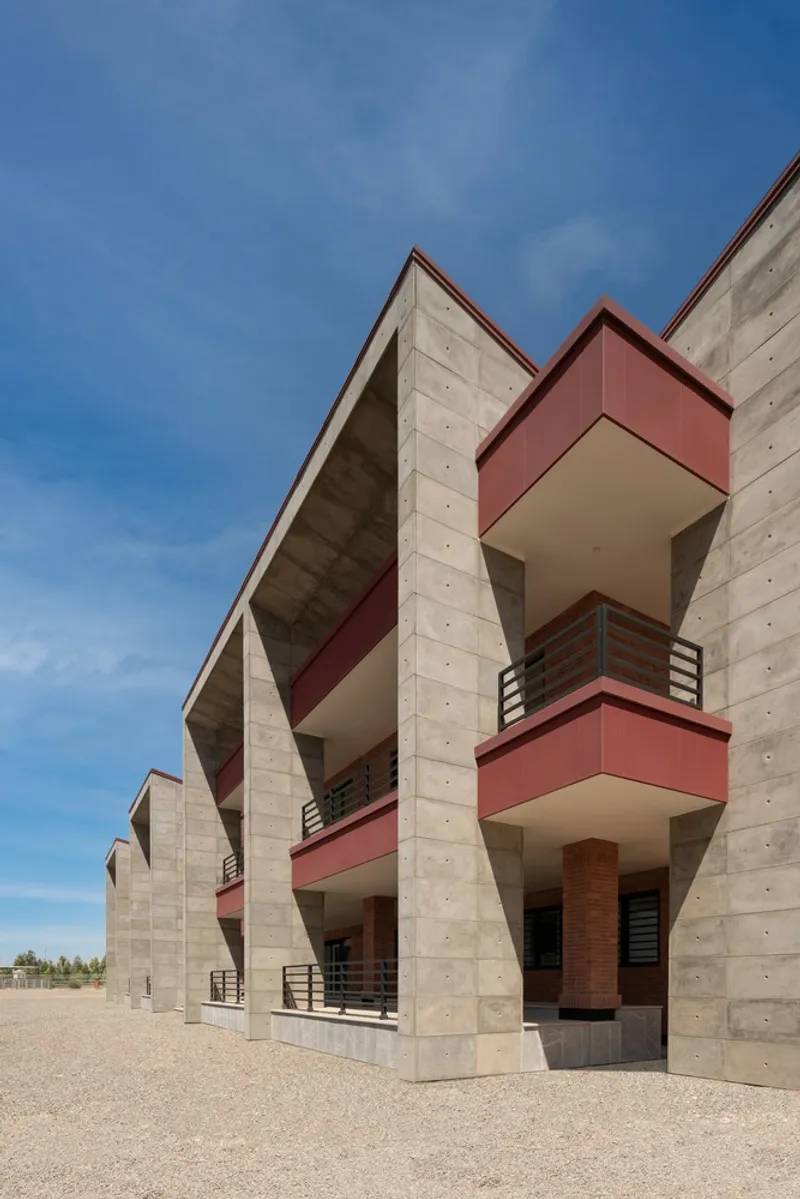
The design employs cost-effective solutions to create a green and environmentally friendly building, demonstrating that sustainability does not require complex or expensive interventions. By reducing energy consumption related to electrical systems and mechanical installations, the project exemplifies how architecture can respond to both climate and research needs.
Climate-Responsive Architectural Strategies
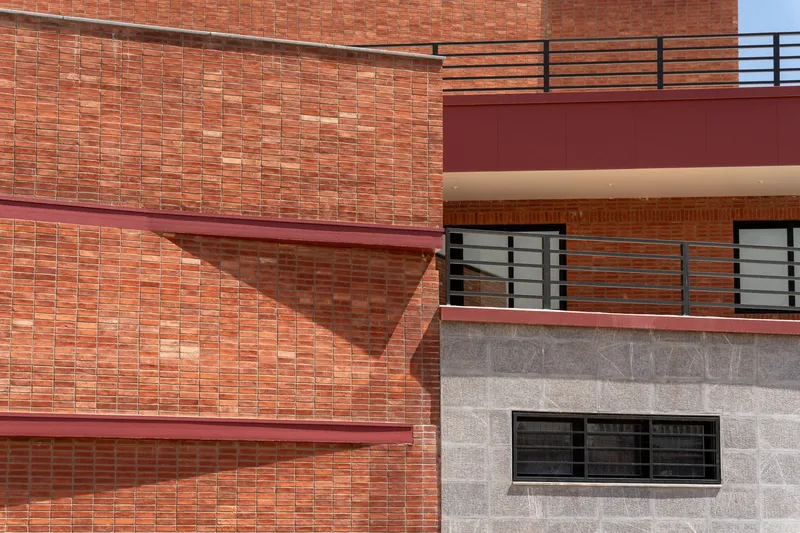
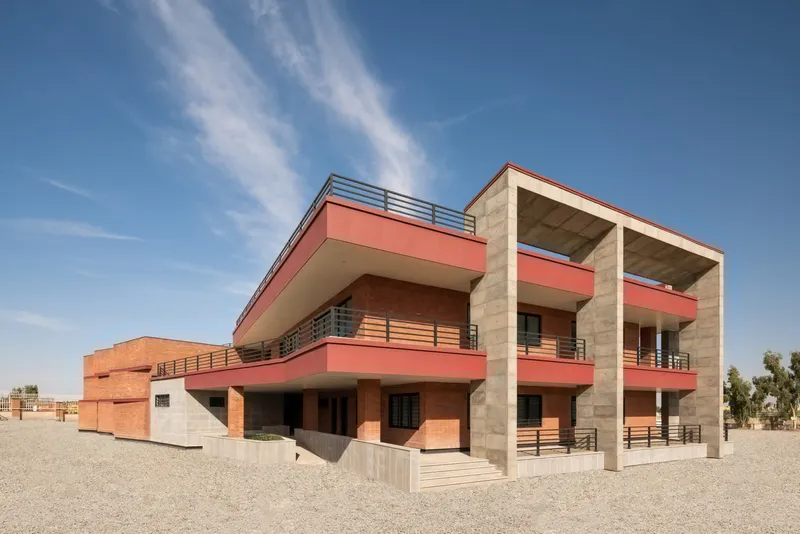
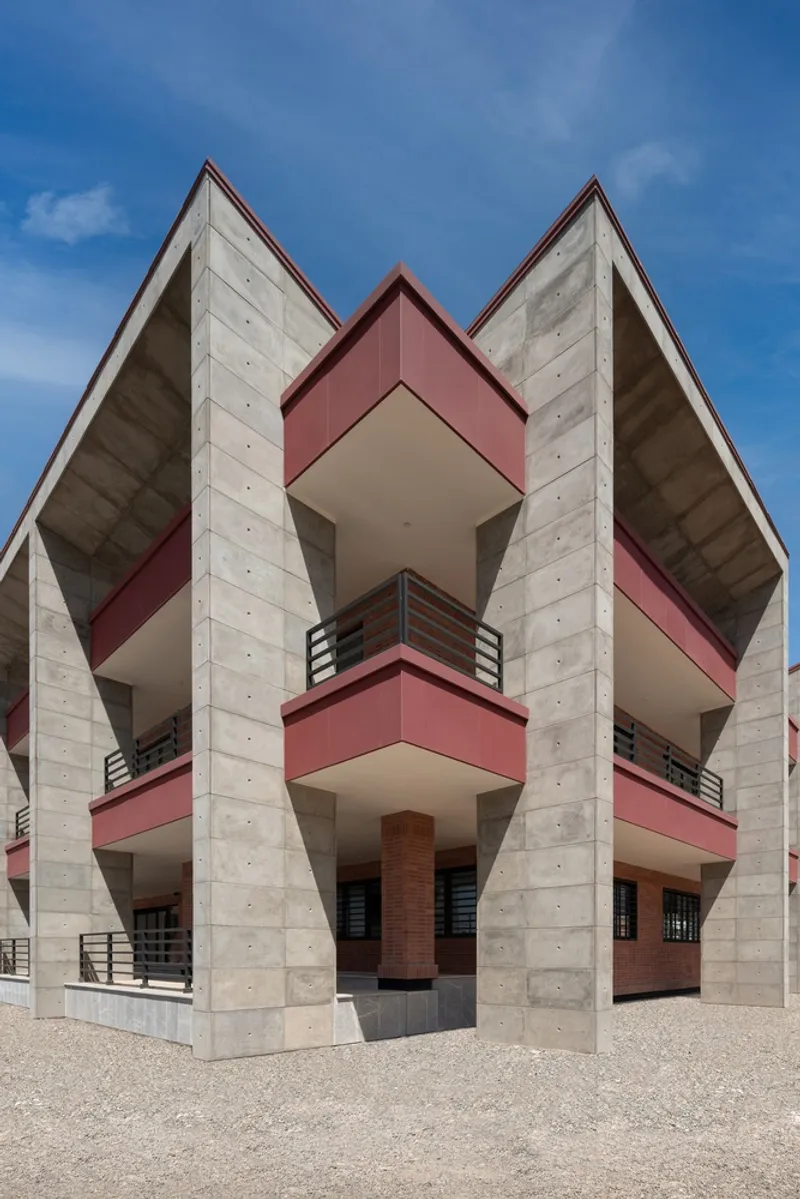
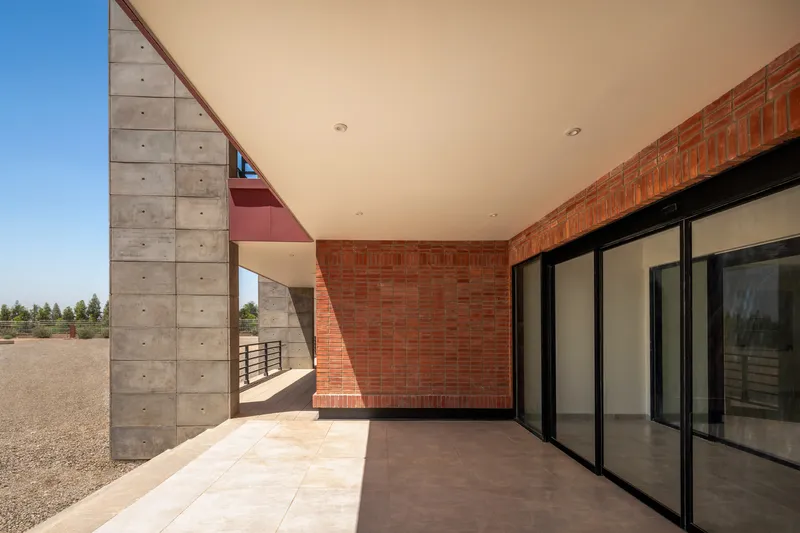
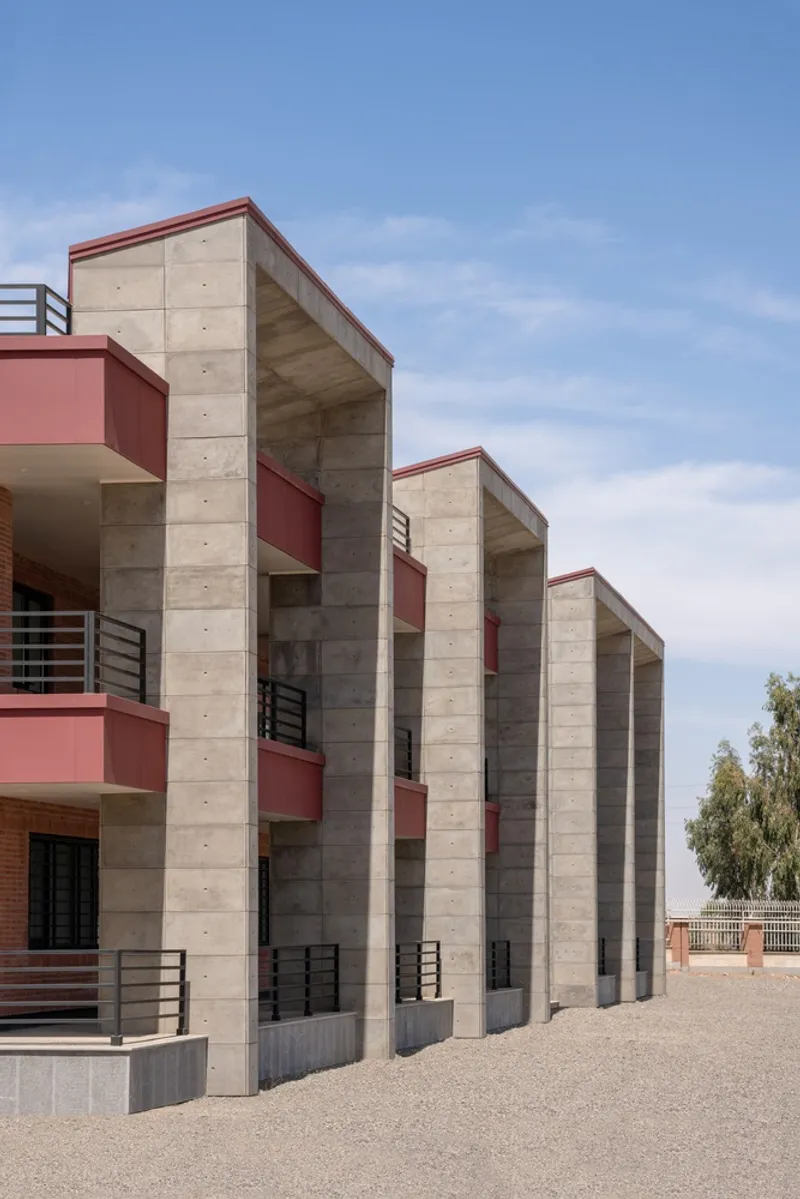
Situated in a hot and dry climate, the building’s orientation, 25 degrees to the northeast, reflects traditional Iranian architectural wisdom. Terraces and vertical panels control solar heat gain, ensuring thermal comfort and visual comfort for occupants. These features also allow for easy implementation and repeatability, making the approach adaptable to other projects in similar climates.
The design was influenced by several site-specific factors:
- Limited vegetation and shading opportunities due to the weather platform.
- Morphology of surrounding buildings.
- Presence of an air-raid base on-site, influencing the decision for horizontal stacking.
By addressing these constraints, the architects were able to reduce annual energy consumption by 36%, while maintaining ample natural light and creating a comfortable working environment.
Functional and Flexible Interior Spaces
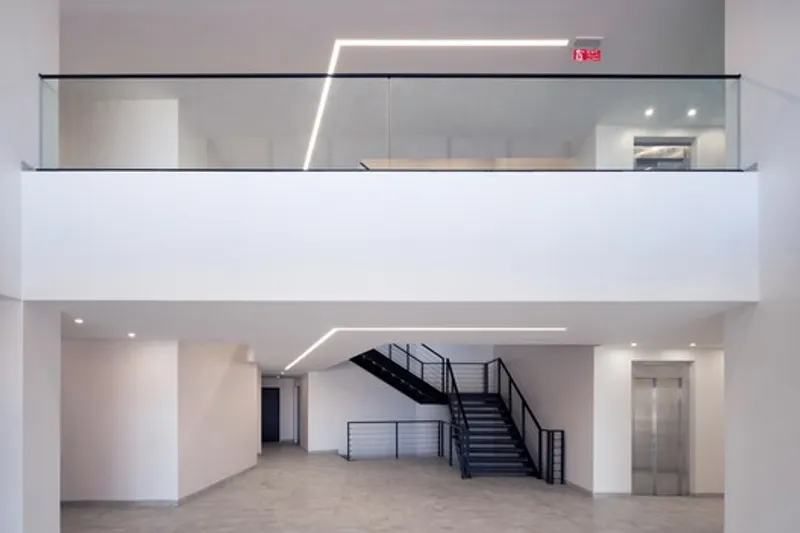
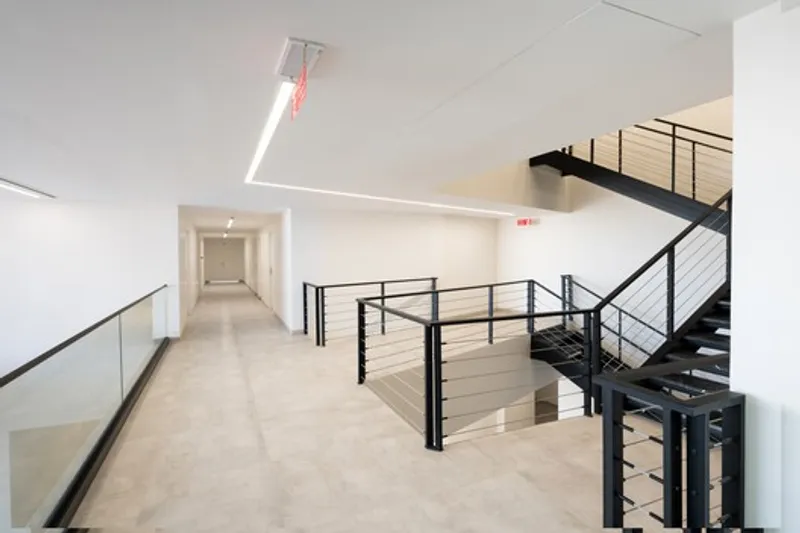
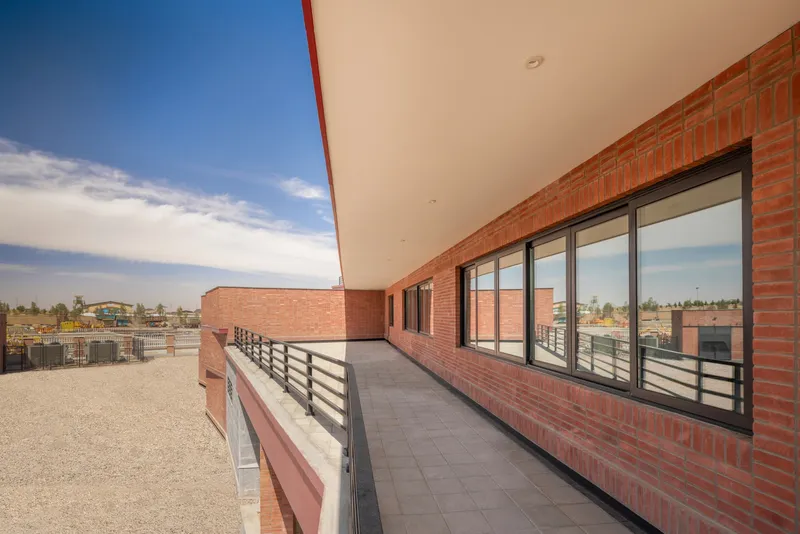
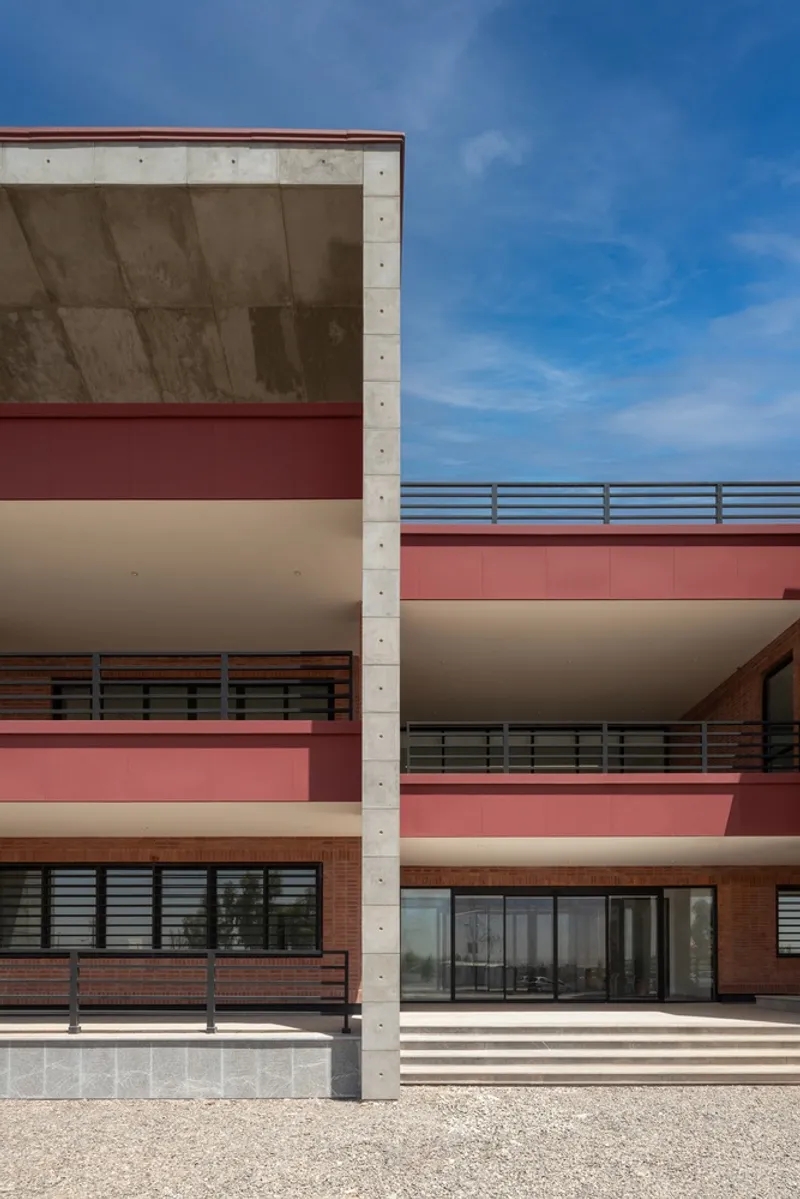
The building plan emphasizes spatial diversity, connecting rooms through a combination of semi-open and enclosed spaces. Multiple access points enhance flexibility, with separate entrances on the south and north sides leading to a central core and a suspended staircase, providing fluid circulation and user convenience.
This careful organization not only supports the functional requirements of a meteorological research facility but also enhances the quality of the interior environment, fostering a sense of openness and interaction among users.
Integrating Tradition with Innovation
The Qom Meteorological Research Center seamlessly merges traditional Iranian architectural principles with modern sustainable strategies, creating a building that is environmentally responsible, energy-efficient, and user-centered. Its design demonstrates how architecture in arid climates can reduce energy demands while promoting comfort, accessibility, and aesthetic appeal.
All photographs are works of
Deed Studio



Popular Articles
Popular articles from the community


The Musturak Paradise: Senior Living Architecture for a Connected Future in Temara, Morocco
The Musturak Paradise reimagines senior living architecture in Temara via private homes, social spaces, culture, community, and shared care.

The Ocean Hive: Sustainable Architecture for a Self-Sufficient Civilization at Sea
The Ocean Hive imagines sustainable architecture at sea, where modular habitats, algae, wave power and ocean waste sustain a growing colony.

Hill & Cross Opera: Sculptural Opera House Architecture Shaped by Tallinn’s Landscape and Identity
Hill & Cross Opera reimagines opera house architecture in Tallinn through its sculptural hill, civic plaza, glass wave and a luminous cross.

Riyadh For All: Intergenerational Urban Design for Active Aging in Rabat
Riyadh For All reimagines urban design in Rabat with intergenerational co-living, adaptive courtyards, and Moroccan cultural exchange today.

Similar Reads
You might also enjoy these articles

FAMM Arquitectura Organizes Ten Villas Around Courtyards and Jungle in Nosara, Costa Rica
El Molino pairs two elongated volumes with deep overhangs and timber louvers to build a compact coastal community five minutes from the beach.
Oscar Niemeyer's Ibirapuera Park Pavilions Define São Paulo's Cultural Identity in Concrete and Curve
A constellation of modernist volumes set within São Paulo's most important urban park, conceived for the city's 400th anniversary in 1954.
How Henri Picq's 1889 Paris Pavilion Traveled 11,000 Kilometers to Become Santiago's Artequín Museum
A prefabricated iron and glass pavilion built for the Paris Universal Exposition found a second life as a children's art museum in Chile.
Sanjay Puri Architects Wraps a Jaipur Office Tower in Capsule-Shaped Green Buffers
A nine-level climate-responsive workplace near Jaipur Airport uses stacked planter terraces and aluminium screens to fight 40°C heat.


Explore Sustainable Design Competitions
Discover active competitions in this discipline



Challenge to reimagine the Iron Throne


Photograph architecture without architects


Illustrate the lost glory of Angkor Wat - Render Challenge


Design challenge to reuse E-waste
Comments (0)
Please login or sign up to add comments
No comments yet. Be the first to comment!