
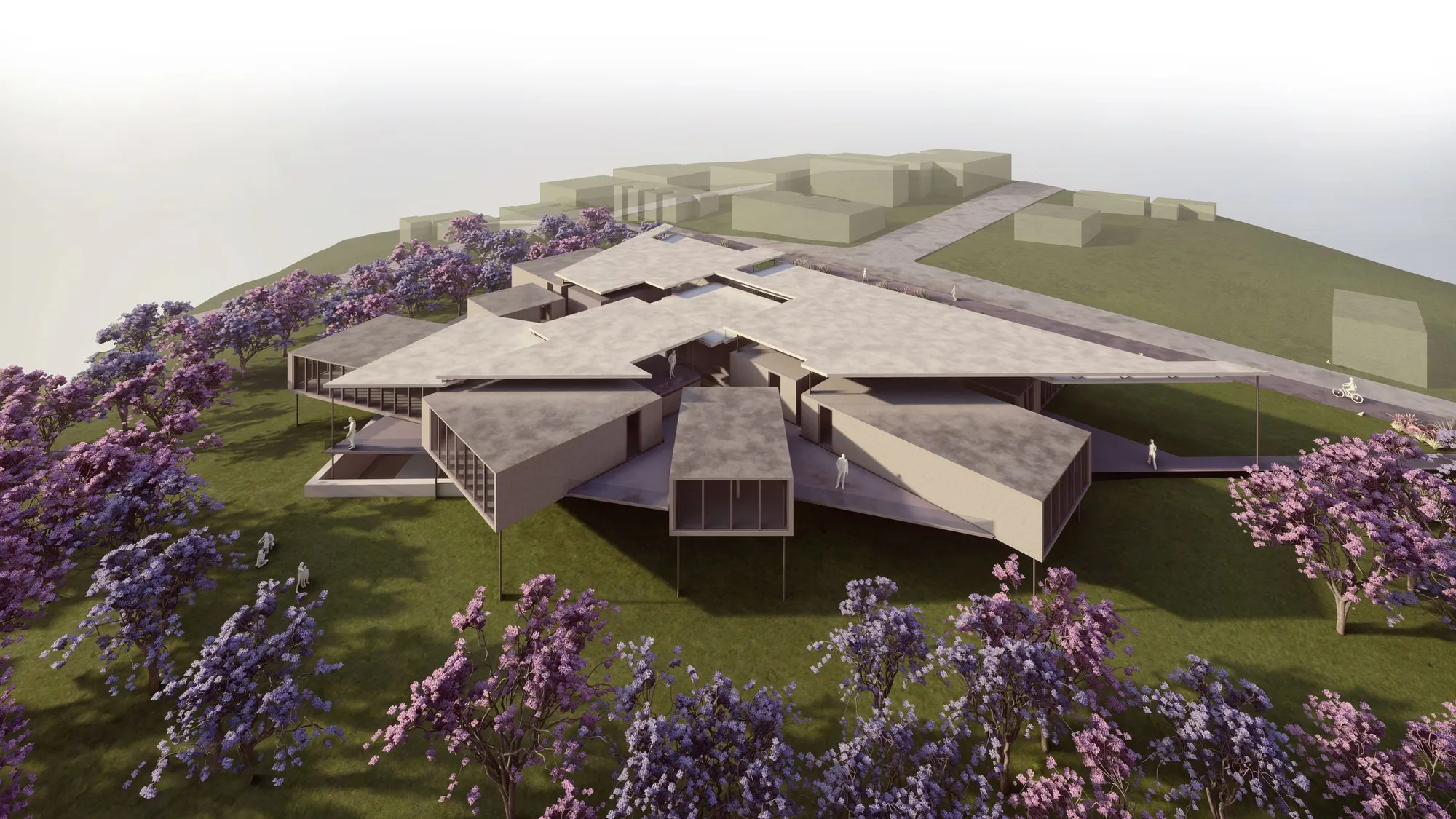
Shifthub: Reimagining the Workplace Through a Child's Eyes
A playful and unconventional co-working space designed to disrupt monotony and foster creativity.


The innovative design of "shifthub," a shortlisted entry in the Child's Perspective architectural competition. Conceived by Irfancan Dundar and Altug Tumer, shifthub challenges the conventions of traditional workspaces, drawing inspiration from a child's perspective to create a dynamic and engaging environment. This analysis delves into the design process, highlighting its key features and the underlying philosophy that drives its unique form and function.
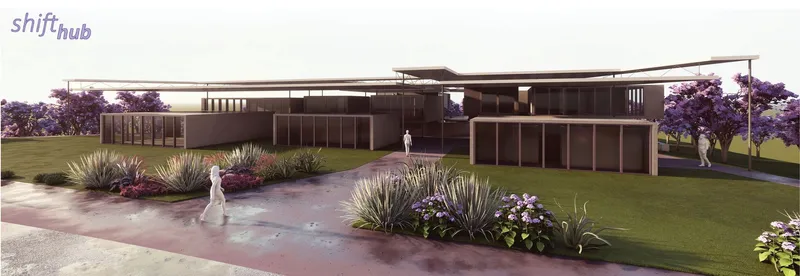
Breaking Free from Monotony
The architects behind shifthub recognized the pervasiveness of monotony in modern workspaces, characterized by rigid schedules, hierarchical structures, and repetitive routines. To counter this, they sought to design a space that would liberate individuals from these constraints and inspire creativity and collaboration.
By embracing the perspective of a child, the designers tapped into a sense of wonder, playfulness, and freedom that often gets lost in the adult world. This approach led to a design that prioritizes dynamism, flexibility, and a sense of discovery.
Analyzing the Urban Fabric
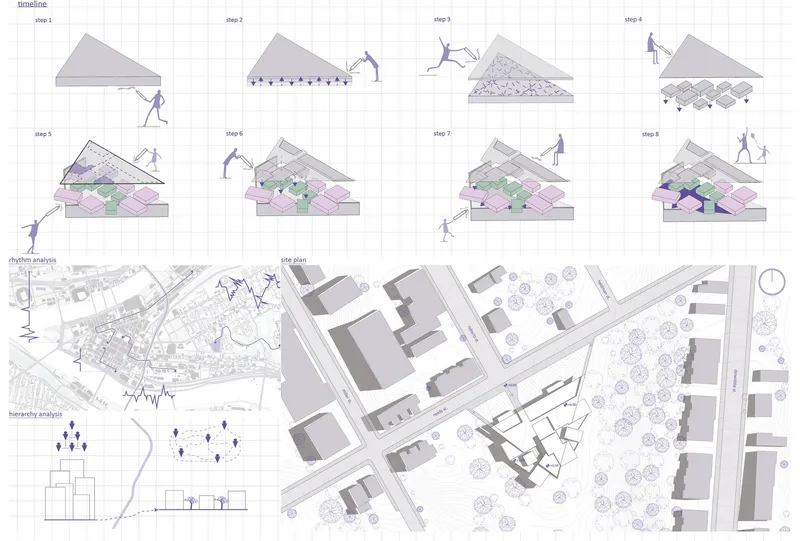
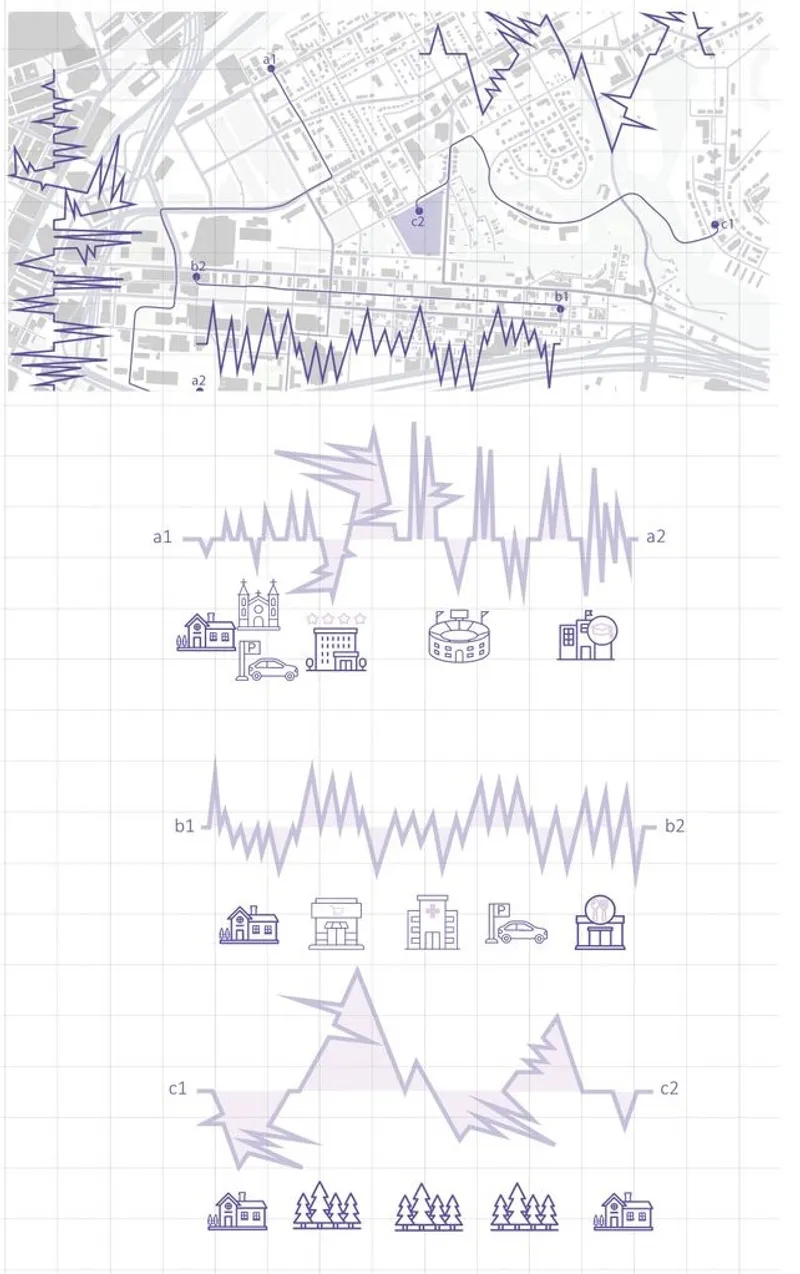
Located in Pittsburgh, Pennsylvania, shifthub's design is deeply rooted in an analysis of the city's urban fabric. The architects observed a strong vertical hierarchy within the city, particularly in the workplace, which they believed contributed to the sense of monotony.
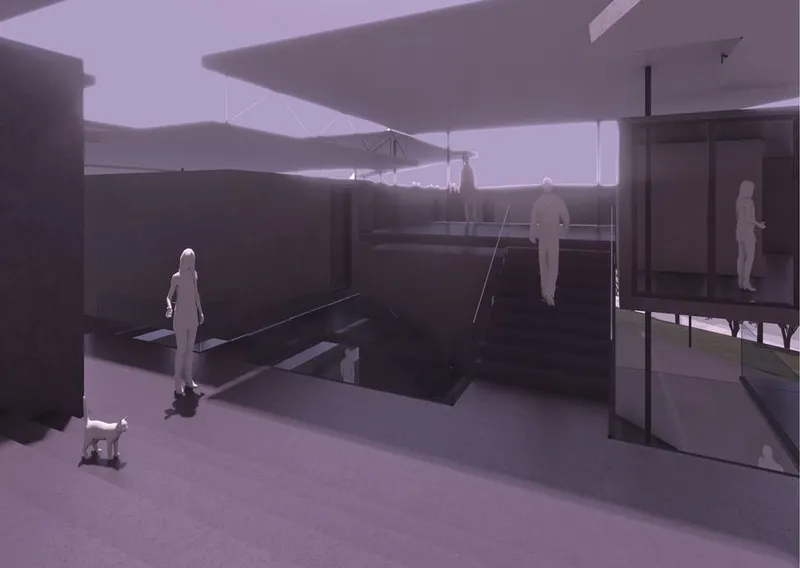
To challenge this, they sought to introduce a new "street definition" – a fluid and interconnected spatial organization that encourages movement and interaction. This is reflected in the building's multi-level design with its varied floor plates, interconnected pathways, and a constant shift in elevation.
Rhythm and Routine
The concept of rhythm played a crucial role in shaping the design. Recognizing that routine often leads to a stagnant rhythm, the architects aimed to disrupt this pattern by creating a space where the rhythm is constantly evolving.
This is achieved through the building's dynamic form, the interplay of open and private spaces, and the integration of diverse functions. The design encourages users to explore different areas, engage in spontaneous interactions, and experience a sense of novelty throughout the day.

Key Design Features
Dynamic Form: The building's angular, fragmented form breaks away from conventional rectangular structures. This creates a sense of movement and fluidity, both internally and externally.
Varied Floor Plates: Each floor plate is unique in shape and size, offering a diverse range of spatial experiences. This avoids the repetition often found in traditional office buildings and encourages exploration.
Interconnected Pathways: A network of stairs, ramps, and open spaces connects the different levels, promoting movement and interaction between users.
Open and Private Spaces: The design balances open collaborative areas with private workspaces, catering to individual needs and work styles.
Integration with the Landscape: The building is seamlessly integrated with the surrounding landscape, with terraces, balconies, and green spaces blurring the boundaries between inside and outside.

A Space for Everyone
shifthub is envisioned as a truly inclusive space, open to all members of the community, regardless of age, profession, or background. It operates day and night, catering to different work schedules and lifestyles. This inclusivity is further emphasized by the integration of social spaces, such as cafes and communal areas, which encourage interaction and a sense of belonging.
A Child's Perspective, an Adult's Solution
By embracing a child's perspective, the architects of shifthub have created a workplace that challenges the norms and fosters a sense of creativity, playfulness, and community. This innovative design provides a compelling model for future workspaces, demonstrating how architecture can inspire new ways of working, interacting, and experiencing the world around us.




Popular Articles
Popular articles from the community


Conexión: Biophilic Design Reimagines High-Rise Living in Hong Kong
Conexión reimagines high-rise living in Hong Kong through biophilic design, green facades, shared spaces, daylight, water and nature within.

The Ocean Hive: Sustainable Architecture for a Self-Sufficient Civilization at Sea
The Ocean Hive imagines sustainable architecture at sea, where modular habitats, algae, wave power and ocean waste sustain a growing colony.

Co-life: Sustainable Architecture for Age-Friendly Community Living
Co-life reimagines sustainable architecture for seniors through courtyards, rammed earth, shared gardens, and spaces designed for belonging.

The Earth Pod: 3D Printed Homes for Resilient Refugee Communities
The Earth Pod reimagines refugee housing through 3D printed homes made from clay, combining resilience, self-sufficiency, and rapid shelter.


Similar Reads
You might also enjoy these articles

Day and Night Park: A Time-Based Urban Newsstand in Beijing
A temporary urban newsstand in Beijing blending travel, light, and reading through poetic colors, compact form, and community-focused design.

Modernist Patio Renovation in El Masnou, Barcelona by Oliver Segura Arquitectura + Cebrià Arquitectura
Modernist patio renovation blending tradition and innovation with a movable pool, leveled floors, and Catalan materials in El Masnou.

Alto Residencial Coop: Cooperative Housing Development in Santiago de Compostela by Carbajo Barrios Arquitectos
A linear cooperative housing complex blending white volumes and perforated metal façades, enhancing community living, natural light, privacy, and urban integration.
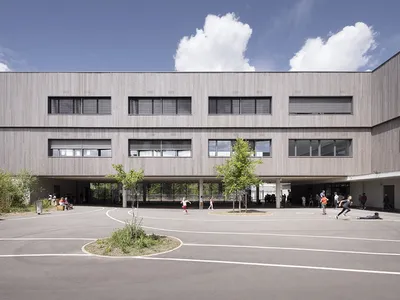
Vil Genis School by BPA ARCHITECTURE – Massy, France
Vil Genis School in Massy, France, features sustainable design, south-facing classrooms, community integration, accessible spaces, and modern educational architecture.


Explore Creative Hub Competitions
Discover active competitions in this discipline



Challenge to design locus for the upliftment of human rights


Challenge to reimagine the Iron Throne


Photograph architecture without architects


Illustrate the lost glory of Angkor Wat - Render Challenge
Comments (0)
Please login or sign up to add comments
No comments yet. Be the first to comment!