
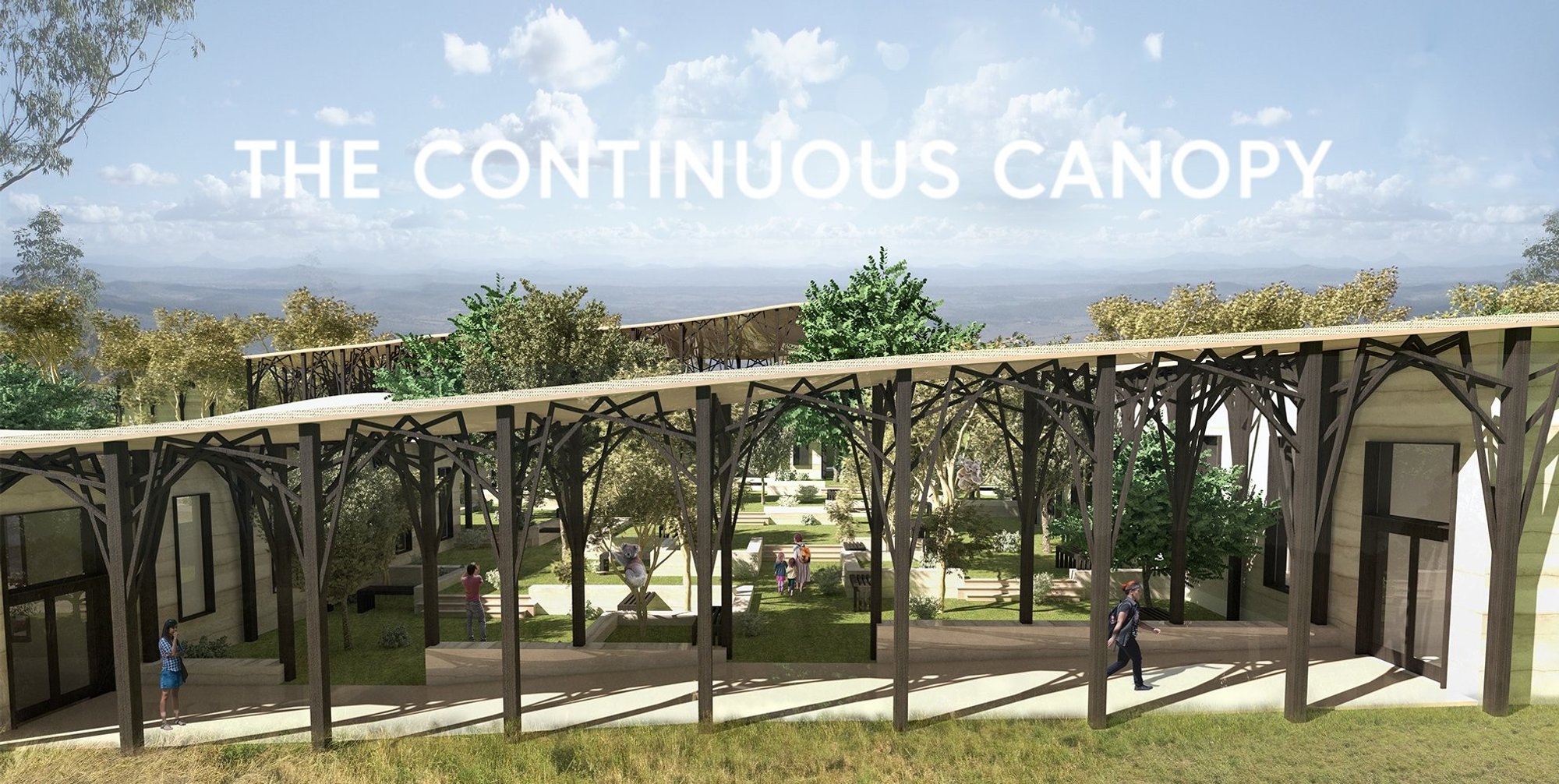
The Continuous Canopy
A sustainable mountain-top sanctuary blending ecological architecture, koala rehabilitation, and immersive landscape design.

A Mountain-Top Sanctuary for Koalas and Eucalypts
Project by Allison Shahidi and Andrew Magnus Shortlisted entry of Haven 2020
As climate change and habitat destruction continue to threaten Australia’s biodiversity, architects are increasingly exploring how sustainable architecture can actively participate in ecological restoration. “The Continuous Canopy” presents a visionary response to this challenge through a mountain-top sanctuary designed specifically for koalas, eucalyptus regeneration, and environmental education.
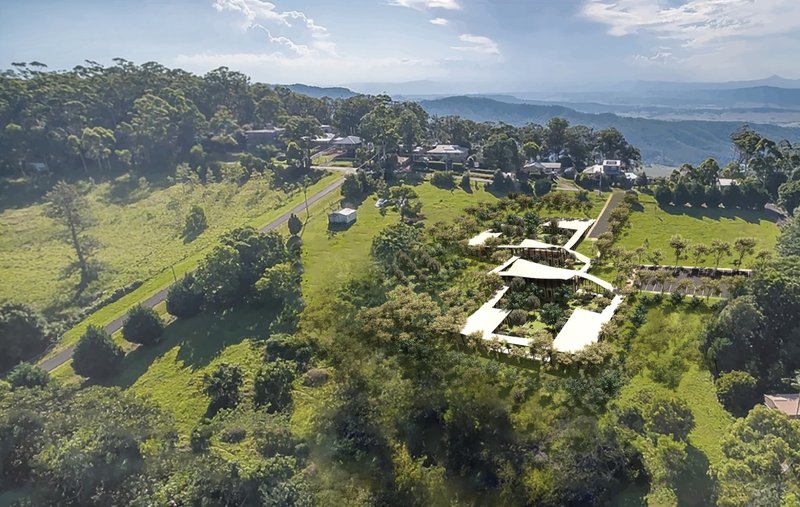
Located within the Queensland mountain landscape, the proposal reimagines architecture not as an object imposed onto nature, but as a carefully integrated ecological system. The project combines wildlife rehabilitation facilities, public learning spaces, nurseries, laboratories, and recovery zones into a continuous architectural framework that flows through the terrain while preserving the surrounding habitat.
The design responds directly to the urgent environmental crisis facing Australia’s koala populations. Instead of separating conservation from architecture, the project merges both into a single spatial experience where visitors, researchers, caregivers, and wildlife coexist within a protected natural ecosystem.
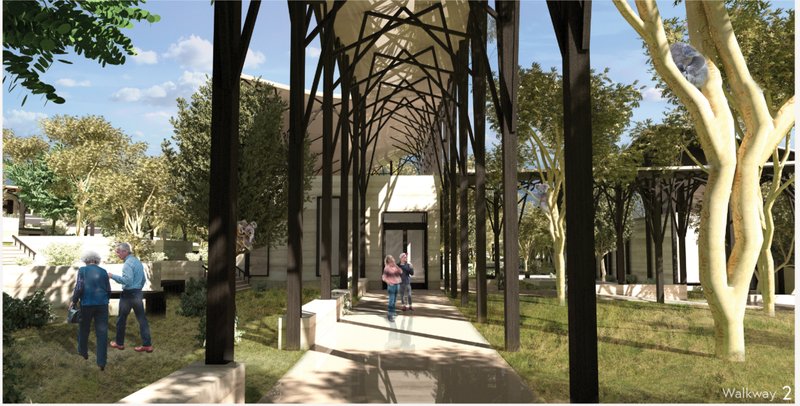
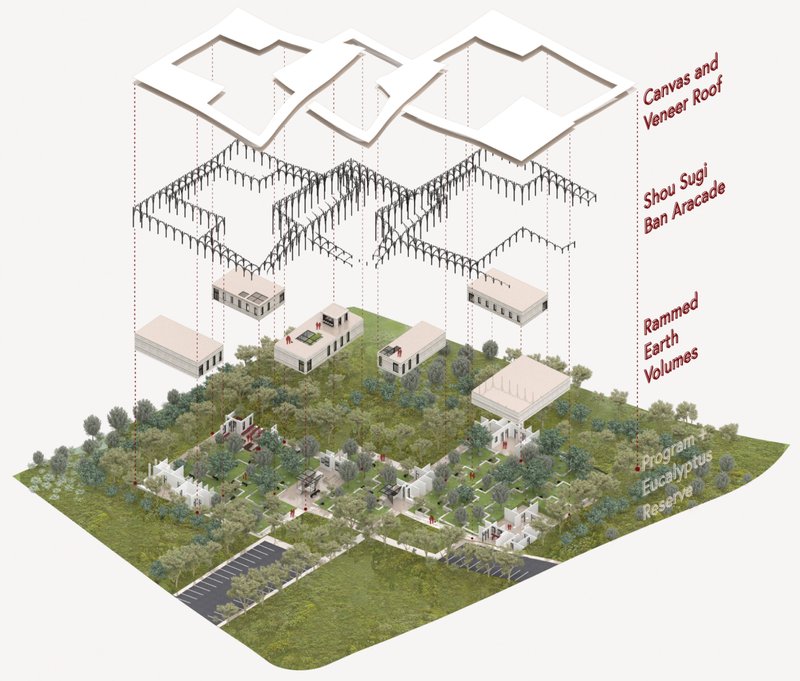
At the core of the proposal lies the concept of the “continuous canopy.” The architectural roofscape mimics the branching patterns and elevated canopy layers of eucalyptus forests, creating sheltered circulation pathways that weave between embedded building volumes. These pathways become elevated viewing and educational spaces while minimizing disruption to the existing landscape.
Unlike conventional institutional architecture, the buildings are intentionally low-lying and partially submerged within the site’s topography. This strategy allows the intervention to visually disappear into the Queensland hills while also improving thermal performance and fire resistance. The architecture feels less like a constructed complex and more like an extension of the terrain itself.
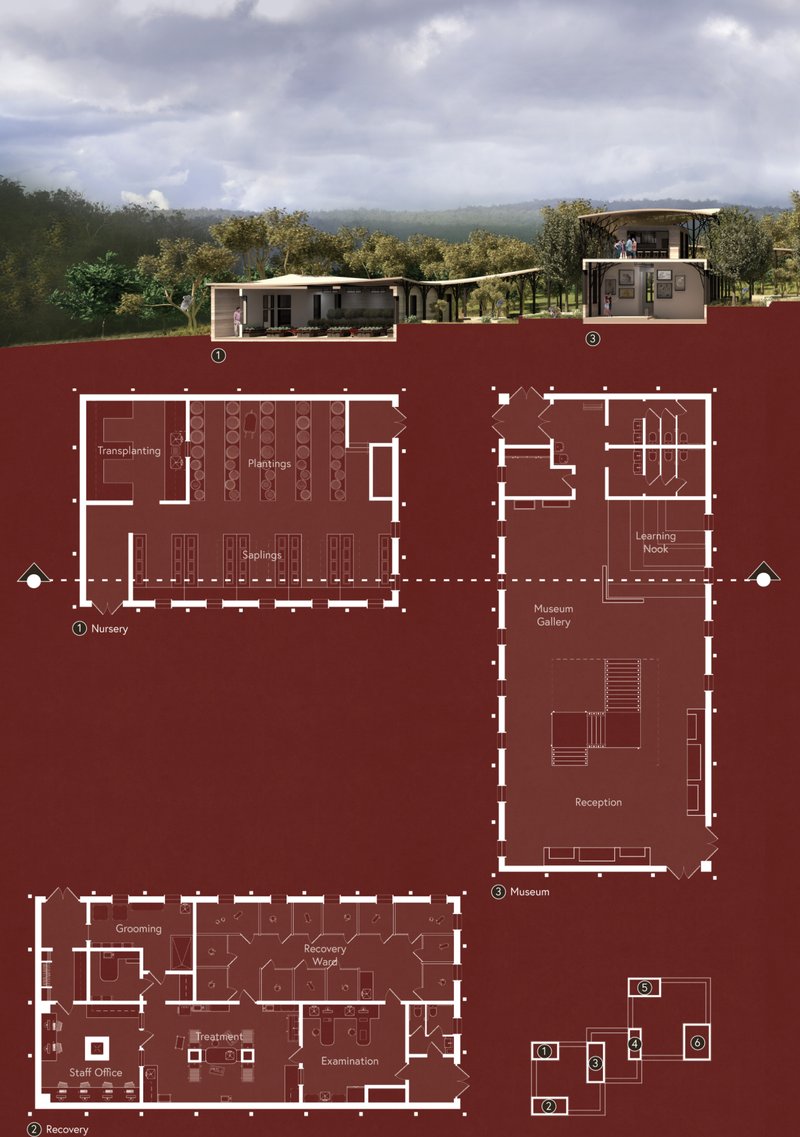
The spatial organization of the sanctuary reflects the lifecycle of rehabilitation and ecological recovery. Programs including the nursery, hospital, recovery ward, museum, administration, and research laboratory are connected through interwoven courtyards and circulation routes. These relationships create a hierarchy of movement that supports both operational efficiency and sensitive wildlife care.
One of the project’s strongest architectural features is its commitment to sustainable building materials and low-carbon construction techniques. Rammed earth walls form the primary enclosed volumes, using locally sourced earth from the Mt. Tambourine region. These stratified walls provide excellent thermal mass, reduced embodied carbon, and enhanced fire resistance while visually grounding the buildings within the natural landscape.
Complementing the rammed earth volumes is the use of charred timber, inspired by the traditional Japanese technique of Shou Sugi Ban. The dark timber structures branch upward like eucalyptus trunks, forming lightweight canopy frameworks that support the roofscape. Beyond aesthetics, the material selection reinforces durability, weather resistance, and ecological sensitivity.
The project carefully balances openness and protection. Courtyards allow sunlight, air circulation, and vegetation to penetrate deep into the sanctuary while maintaining a calm environment for rehabilitation activities. Visitors experience framed moments of interaction with the landscape without interfering with koala habitats.
Sustainability within “The Continuous Canopy” extends beyond environmental performance. The proposal also addresses social sustainability by integrating education, participation, and public awareness into the architectural experience. Museum galleries, learning spaces, and observation paths encourage visitors to engage directly with issues surrounding habitat loss, biodiversity, and climate resilience.
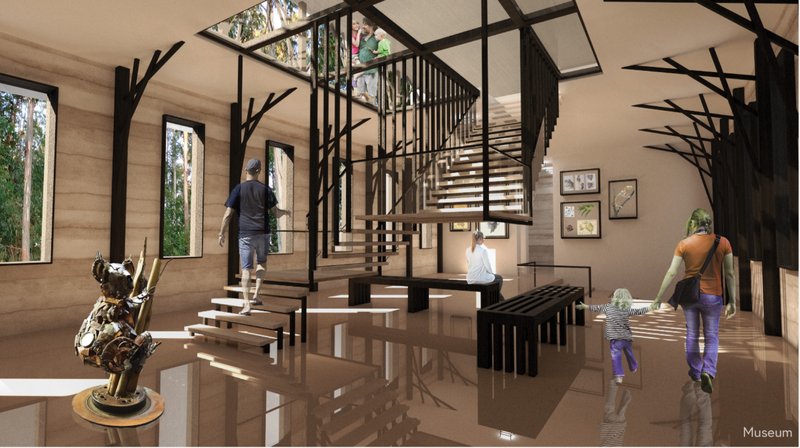
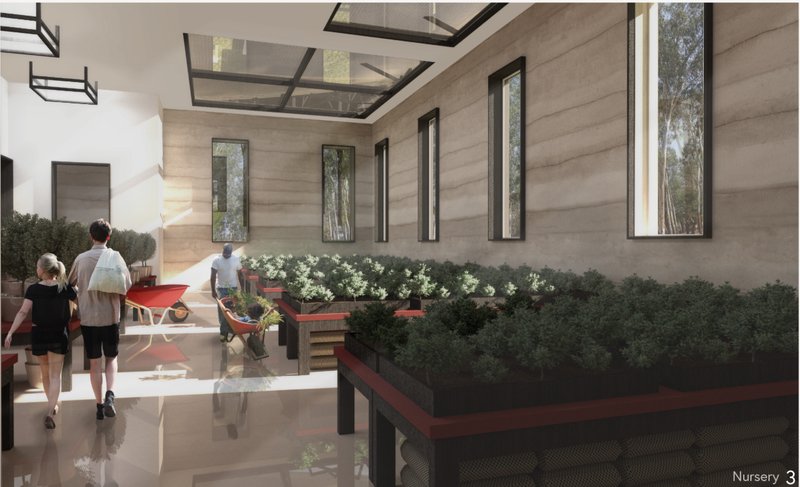
The nursery and recovery areas further strengthen the sanctuary’s regenerative agenda. These spaces are designed not only for koala care but also for eucalyptus cultivation and ecosystem restoration. By combining architecture with active environmental stewardship, the project transforms conservation into an immersive public experience.
Architecturally, the geometry of the project emerges from a series of interlocking square forms adapted to the site’s contours. This organizational strategy creates a dynamic sequence of open and enclosed spaces while preserving uninterrupted movement corridors for wildlife. The resulting composition feels simultaneously structured and organic.
The circulation system also reinforces the project narrative. Human visitors move along elevated pathways and interconnected courtyards, observing the sanctuary without disturbing the ecological processes taking place below. Meanwhile, koalas move naturally through embedded landscape corridors that reconnect them with the surrounding environment.
Through its integration of ecological restoration, sustainable materials, and site-responsive planning, “The Continuous Canopy” demonstrates how contemporary sustainable architecture can move beyond aesthetics to become an active participant in environmental healing.
Rather than treating architecture and nature as separate entities, the project proposes a future where built environments can support biodiversity, educate communities, and regenerate damaged ecosystems simultaneously. It is both a sanctuary and a framework for coexistence, offering a powerful architectural vision for conservation-driven design in the age of climate change.



Popular Articles
Popular articles from the community

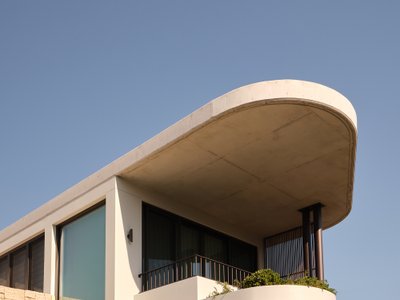
Stanton Architects Sculpts a Curving Family Home into Sydney's Inner West Fabric
Five Dock House uses cantilevers, curved concrete, and layered courtyards to carve out privacy on a tight suburban lot in Sydney.
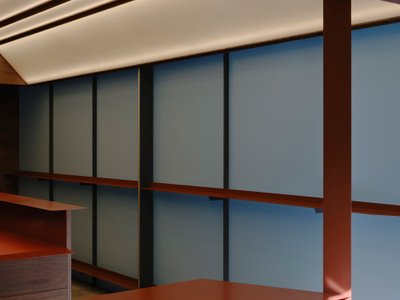
Kerry Kounnapis Packs 800 Daily Coffees into a 43-Square-Metre Melbourne Laneway Bar
Palace Coffee channels Pellegrini's and European standing bars through oxide-red steel and spotted gum timber in a Ridgway Place sliver.

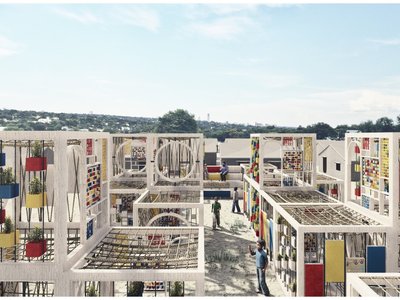
The Faith: Modular Architecture for Play, Learning, and Hope in Kutupalong Refugee Camp
A modular playground architecture project in Bangladesh where play, learning, safety, and hope rebuild childhood inside a refugee camp anew.
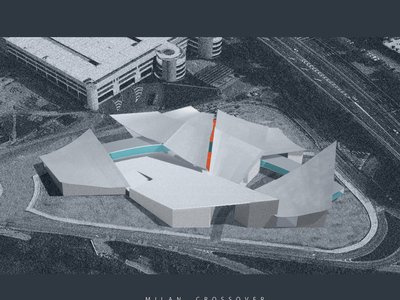
Milan Crossover: Sustainable Architecture for a New Fashion Culture in Milan
Milan Crossover transforms fashion culture through sustainable architecture, linking material libraries, remake studios, and public runways.

Similar Reads
You might also enjoy these articles
Eco Chapel: A Green Architecture Pavilion Designed in Symbiosis with the Forest
Eco Chapel uses green architecture to weave prayer, learning and reuse into a forest pavilion shaped by modular hexagonal canopies for life.
Kaffeebühnen: Coffee Shop Architecture Designed as a Civic Stage Between Vienna’s City and Park
Kaffeebühnen turns coffee shop architecture into a civic stage, linking Vienna’s park edge, urban life, warm timber yards, and coffee craft.
Healing Façade: Sustainable Architecture for Reforestation, Community, and Sacred Ecology in Ethiopia
Healing Façade reimagines sustainable architecture as a living wall that restores soil, catches water and renews Ethiopia's forest churches.


Urban Forest: A Vertical Ecosystem for 5,000 Workers in Singapore's Changi Business Park
Radially stacked pods and layered green decks turn a 7-acre plot into 47 acres of ecological workspace projected for 2040.


Explore Architecture Competitions
Discover active competitions in this discipline




The International Standard for Design Portfolios


The Global Benchmark for Architecture Dissertation Awards


The Global Benchmark for Graduation Excellence


Challenge to reimagine the Iron Throne
Comments (0)
Please login or sign up to add comments
No comments yet. Be the first to comment!