
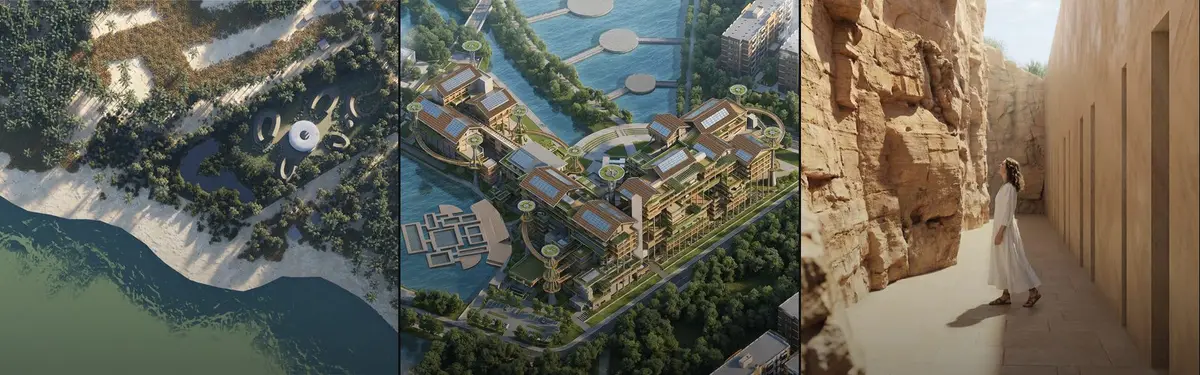


Regenerative Design
Regenerative design is an approach that seeks to restore, renew, and revitalize its own sources of energy and materials, creating sustainable systems that integrate the needs of society with the integrity of nature.
Regenerative design goes beyond sustainability to actively repair and enhance natural ecosystems. This practice integrates ecological restoration with architecture and planning, creating spaces that benefit both human communities and their surrounding environments.
The community explores adaptive housing solutions for climate-vulnerable regions, coral and marine habitat restoration, post-industrial site revitalization, and flexible structures that work with natural cycles like seasonal flooding. Projects range from research facilities and fishing infrastructure to residential designs that respond to specific ecological contexts.


Popular projects
View all 17 projects


Latest journals
View all 36 journals

Openfabric, caarpa and FM Ingegneria Recast the Grounds of the Reggia di Rivalta as a 25-Hectare Public Park
At the Reggia di Rivalta in Italy, a radiating plan of lawns, basins and steel pergolas turns historic palace grounds into an ecological commons.

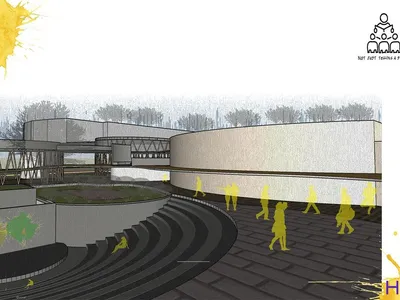
HUB-BA @ Parade: Turning a 13-Acre Military Ground into Bangalore's Living Cultural Hub
A porous urban fabric connecting the Parade Ground to MG Road, merging amphitheaters, VR zones, and street food into participatory culture.
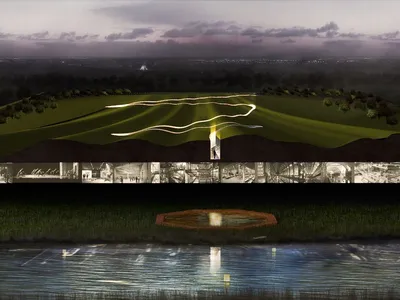
Afterglow: A Subterranean Monument That Folds Mughal Geometry into Agra's Urban Future
A shortlisted Black Taj entry buries crystalline galleries beneath the earth, coupling Mughal spatial logic with a waste-to-energy urban strategy.

Mohini Mill Revitalized: Adaptive Reuse Across 19.79 Acres of Industrial Heritage
A phased urban strategy transforms Bangladesh's largest abandoned textile mill into a cultural hub of six thematic zones and circular urbanism.


