
Dystopian Architecture
Speculative architecture exploring built environments in dystopian, post-apocalyptic, and radically transformed futures.


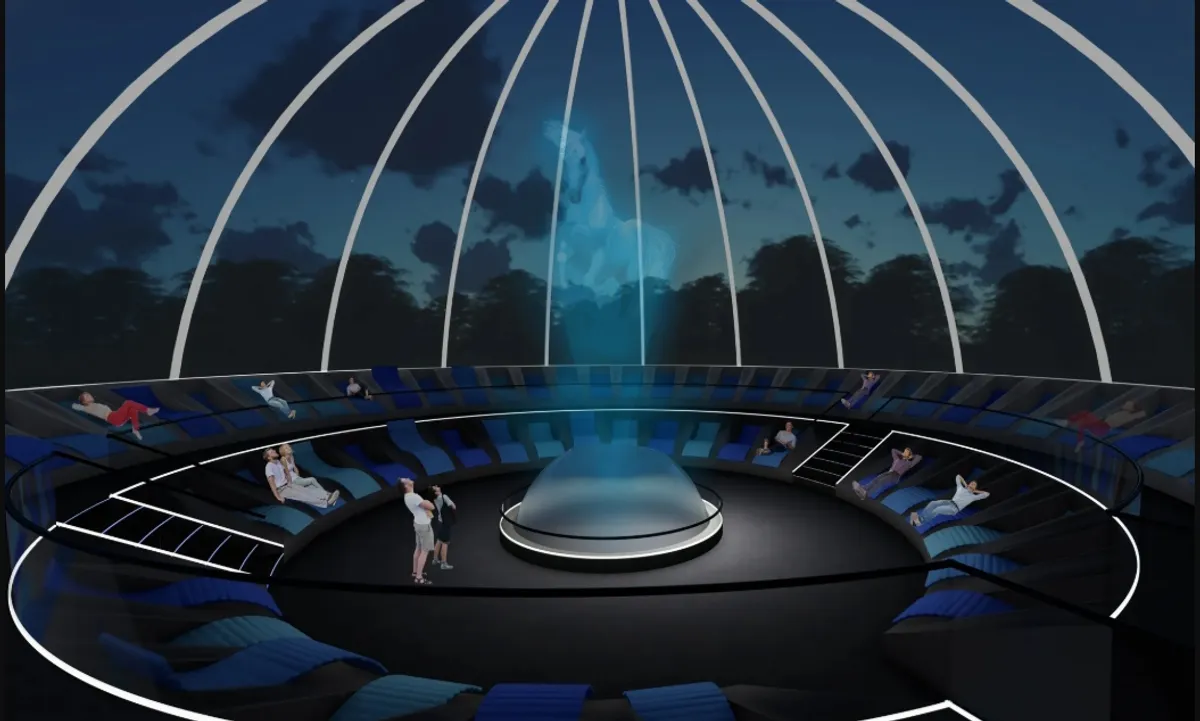
Cinema Futurismo: A Circular Auditorium That Replaces the Screen with Space
A shortlisted entry reimagines the movie theater as a domed, holographic landscape where spectators surround the projection instead of facing it.

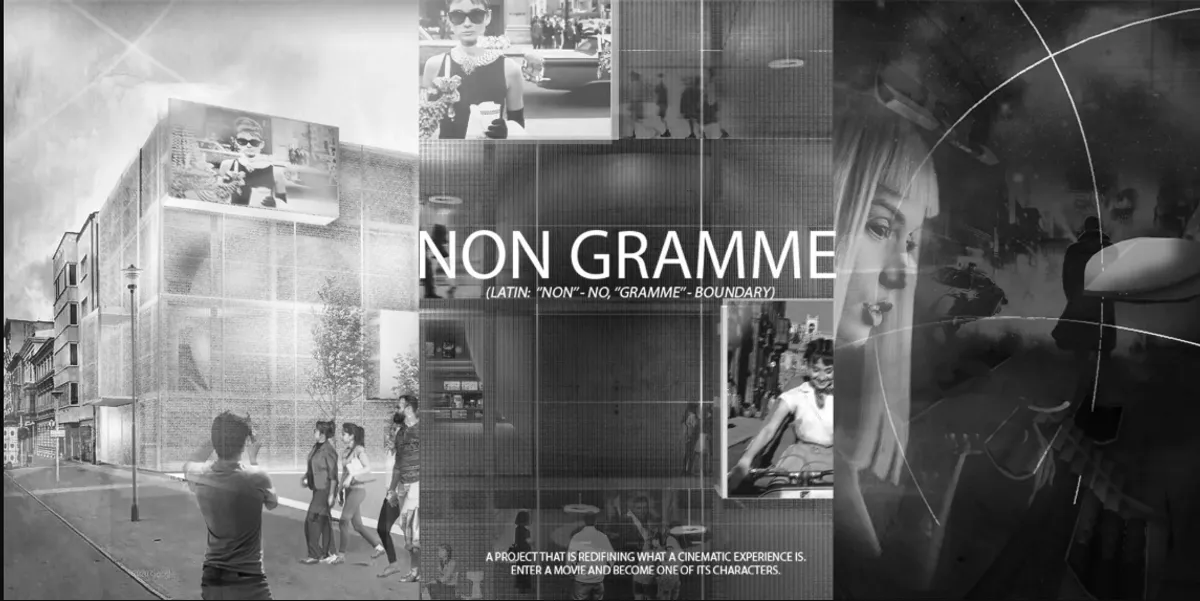
NON GRAMME: A Cinema Where Architecture Becomes the Screen
On Piotrkowska Street in Łódź, a perforated facade dissolves the line between projected image, audience, and city life.



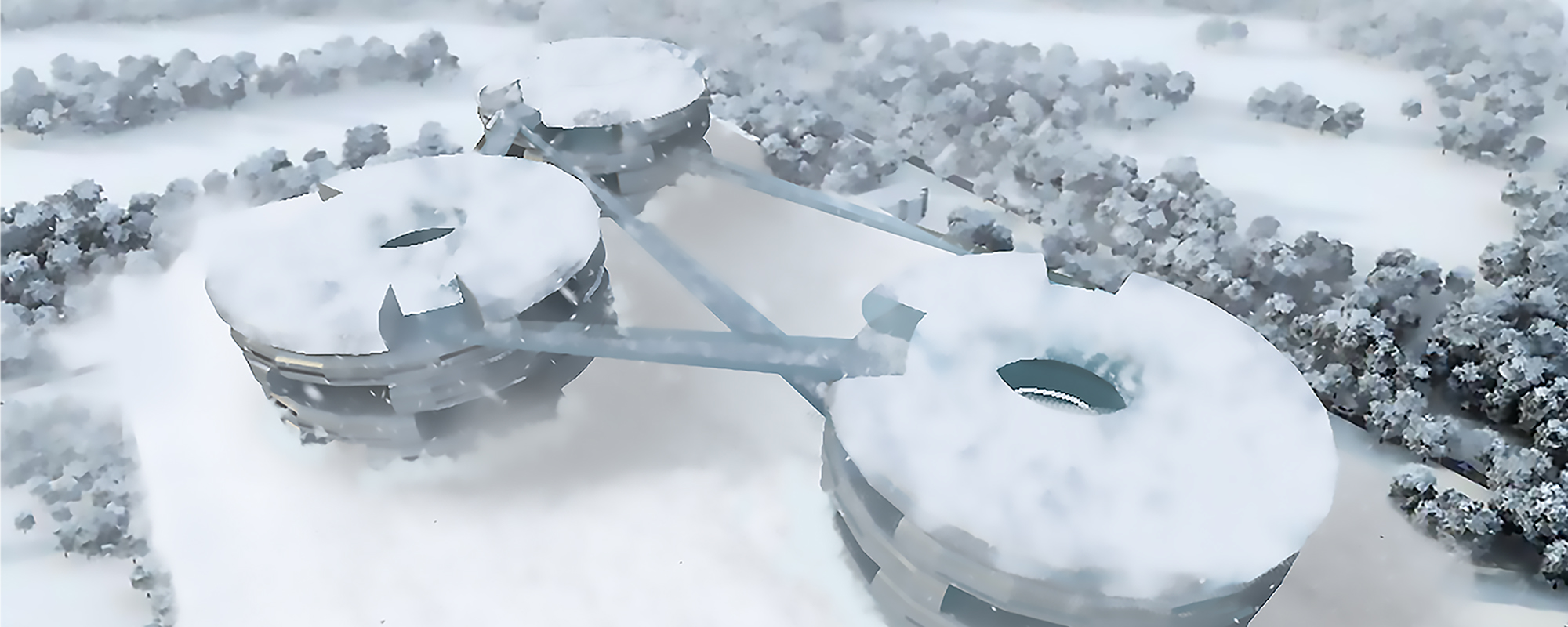
Moscow Metro Shelter: Turning the Underground Network into a City That Keeps Everyday Life Running
Three designers recast Moscow's deep metro stations as linked habitat nodes, arguing that survival architecture must protect routine, not just bodies.

Neo-Covenant: A Runner-up Settlement Where Returning Spacefarers Meet Lalibela's Underground Survivors
An expandable habitat in Lalibela, Ethiopia, fuses energy, food, research and memory into one artificial ecosystem for a humanity relearning Earth.


The illusion of permanence: the design for disassembly framework
Traditional architecture’s focus on permanence overlooks the environmental constraints of climate urgency. Design for Disassembly (DfD) challenges this by planning buildings to be dismantled, reused, or relocated. This thesis investigates the ecological and socio-economic potentials of DfD, exploring how modularity and reversible connections shape future-oriented construction. Shifting focus from building to responsibly unbuilding redefines permanence for a sustainable lifecycle.


very interesting
The Ocean Hive: A Honeycomb Colony That Grows Unit by Unit Across a Drowned Pacific
An Editor's Choice entry that starts with 20 hexagonal units and expands into floating neighbourhoods arranged around a shared central square at sea.

Bunkertecture: A Winning Proposal That Turns a Missile Silo into a Daily Underground Community
A decommissioned missile silo becomes a self-sufficient settlement where housing, farming and work run every day, not only when disaster strikes.


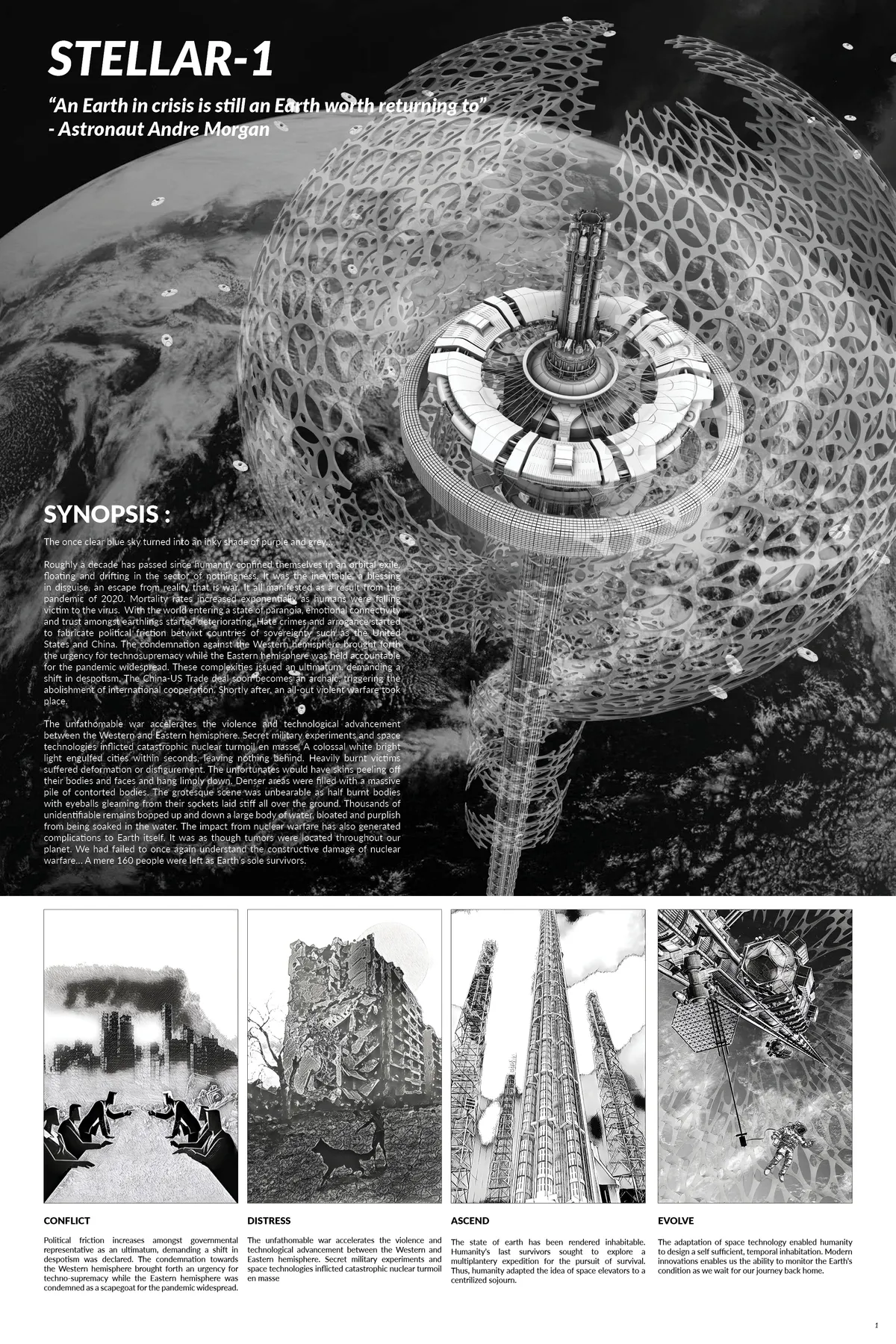
Pie in the Sky: A 300-Metre Hydrogen Airship That Moves the Farm to Wherever the Weather Is Good
Habiba Mukhtar treats climate as a route rather than a site, lifting 160 people, their crops and a closed resource loop into a drifting airborne village.

Recolonizing Home: A Himalayan Survival Machine for a Planet Drowned to Its Peaks
An Editor's Choice colony on Mount Kanchenjunga stacks water, oxygen, food and energy systems into one tapering tower shaped by wind and rising seas.


The Commercial Ground Floor: Catalyst of an Unplanned Centrality . Jet Sakane, Agadir, Morocco
This Master's thesis in architecture examines how the commercial ground floors of collective housing blocks in the Jet Sakane neighbourhood of Agadir, Morocco, generate an unplanned urban centrality. Combining field observation, cartographic analysis, and user interviews, the research shows how appropriation practices exceed the conceived framework and transform standardised pavements into lived spaces of identity and sociability.

e-den: A Mangrove-Inspired Seed for Recolonizing and Repairing a Post-Apocalyptic Earth
Shortlisted in Architecture of the Apocalypse 2020, e-den recasts colonization as repair: a mangrove-like seed that shelters people and heals land.

Architecture Of Time: A Steel Frame Built to Outlast the Programmes It Was Designed to Hold
An open steel frame carries plug-in concrete volumes, letting a building of workshops and markets absorb technologies that do not yet exist.


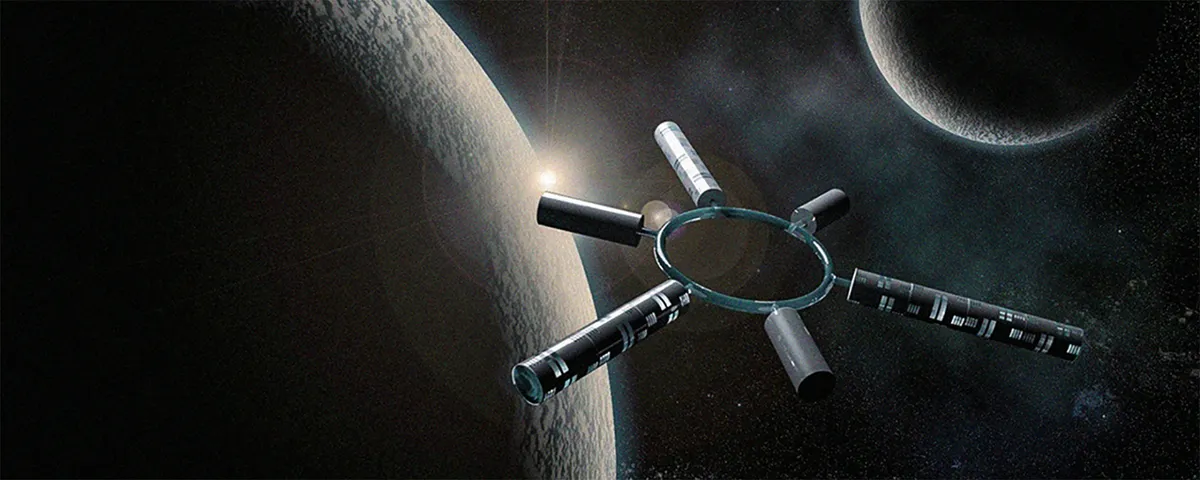
Curved-Living
The design offers curved life with a gravitational and non-gravity environment to supply the minimum needs.
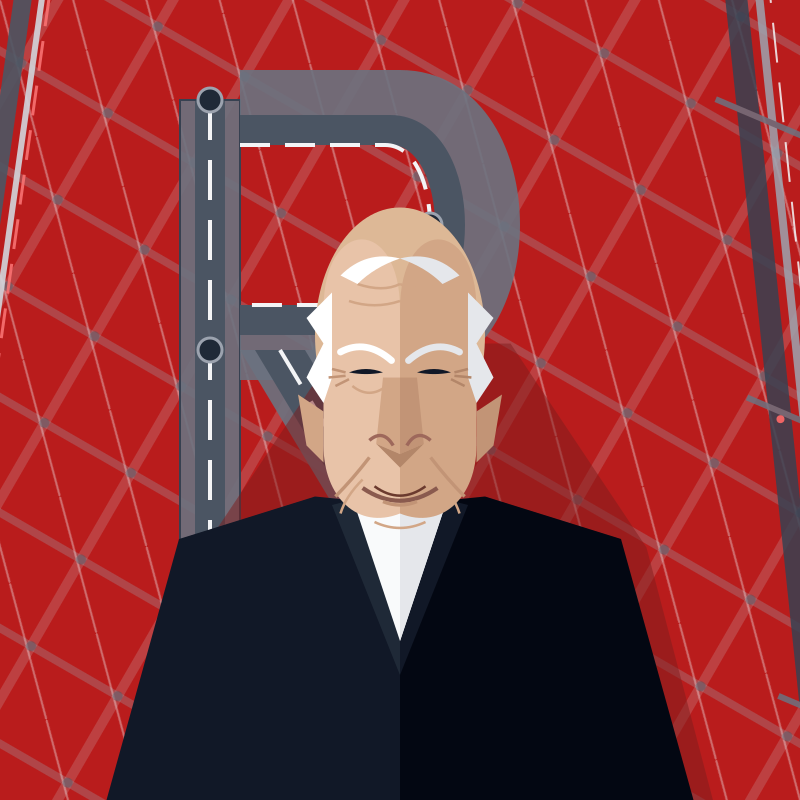
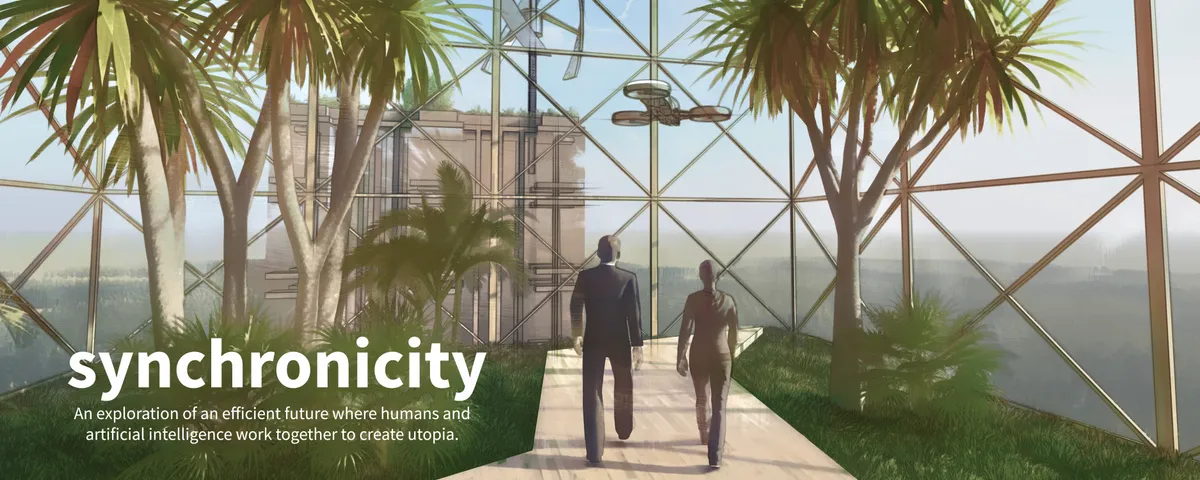
Synchronicity
An exploration of an efficient future where humans and artificial intelligence work together to create utopia. Skyscraper location Seoul, South Korea.

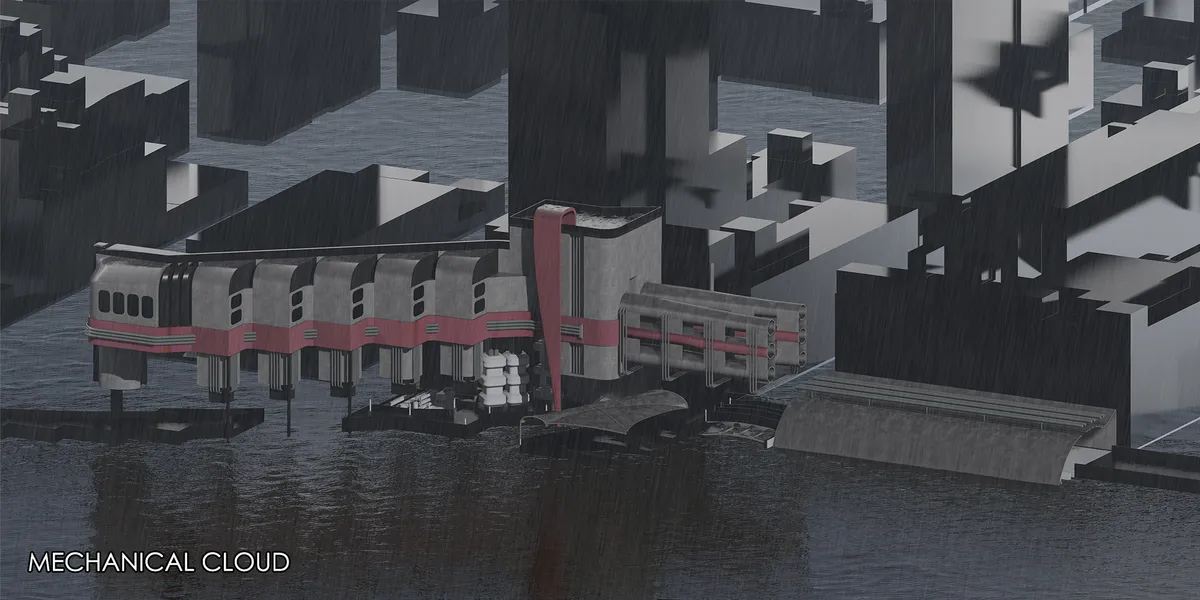




Moment of Stillness
Moment of Stillness is a speculative architectural thesis that explores how architecture can move beyond sustainability to become an active force for environmental regeneration. Set within South Africa's Vaal Triangle, the project reimagines abandoned industrial infrastructure as living systems capable of healing polluted landscapes. Through adaptive reuse, biomimicry, circular material systems, and speculative space manufacturing.


theCLX
When the time comes, human beings will turn to respect and take power of nature for survival. A new aspect of architecture will be the driving tool for humanity to continue the race because "architecture is not just a building", but it is mechanisms of technology that mimic the ability of nature to serve the well-being of human life.
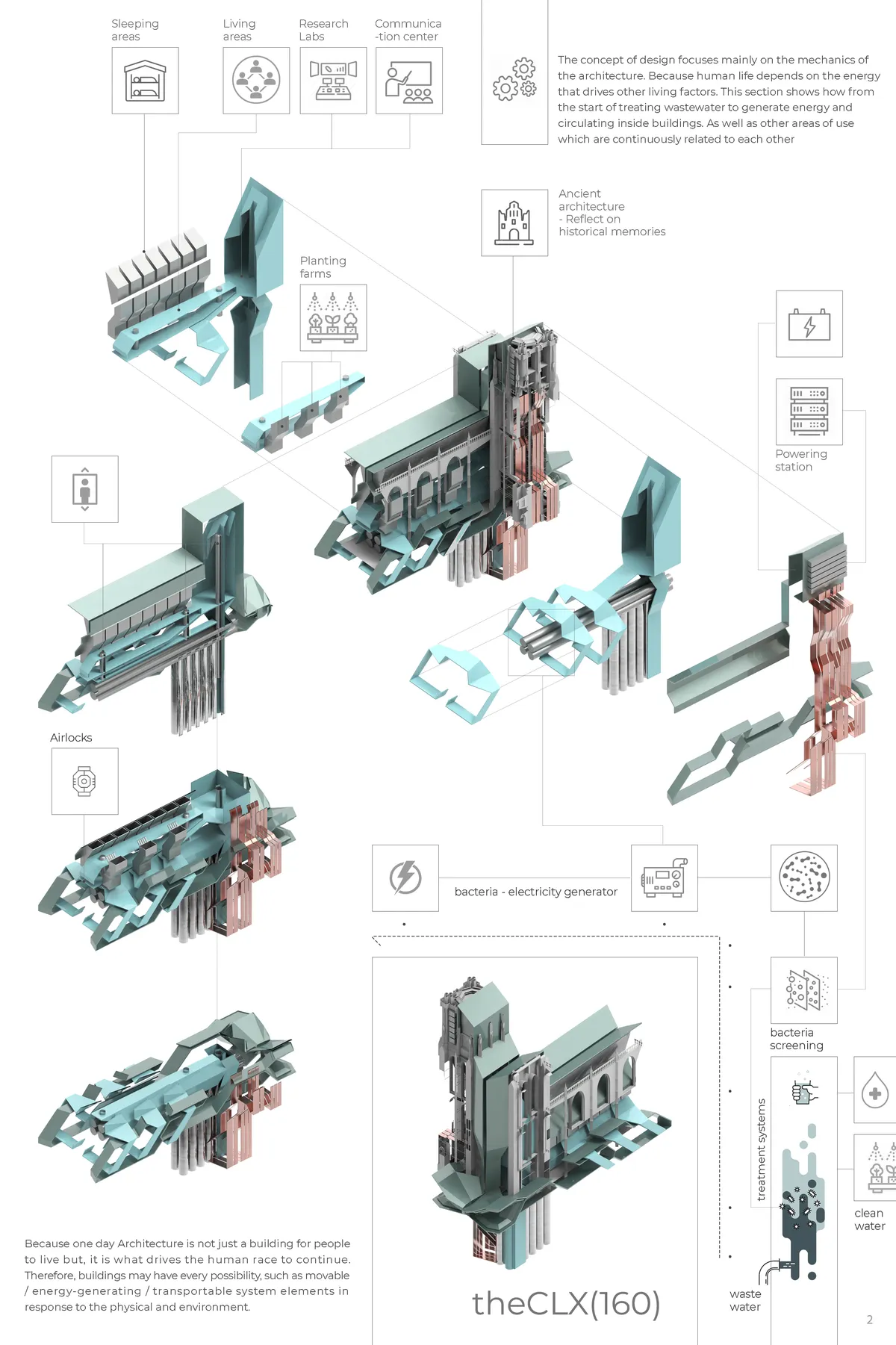

The site or heritage building is a seductive reminder of an apocalypse instead of faith and or complementing faith. The idea of movement works against and is paradoxical to functioning without being the parasite, e.g. it can adhere to another typology. Better visual vignettes well being would strengthen the experience.


Visually striking presentation and daring concept. Good grasp on mechanical aesthetic. Well through through scheme.