
Al Nassereya Urban Incubator: A Vision for Sustainable Mixed-Use Architecture
A forward-thinking mixed-use architecture project integrating living, working, and recreation to redefine sustainable urban communities.


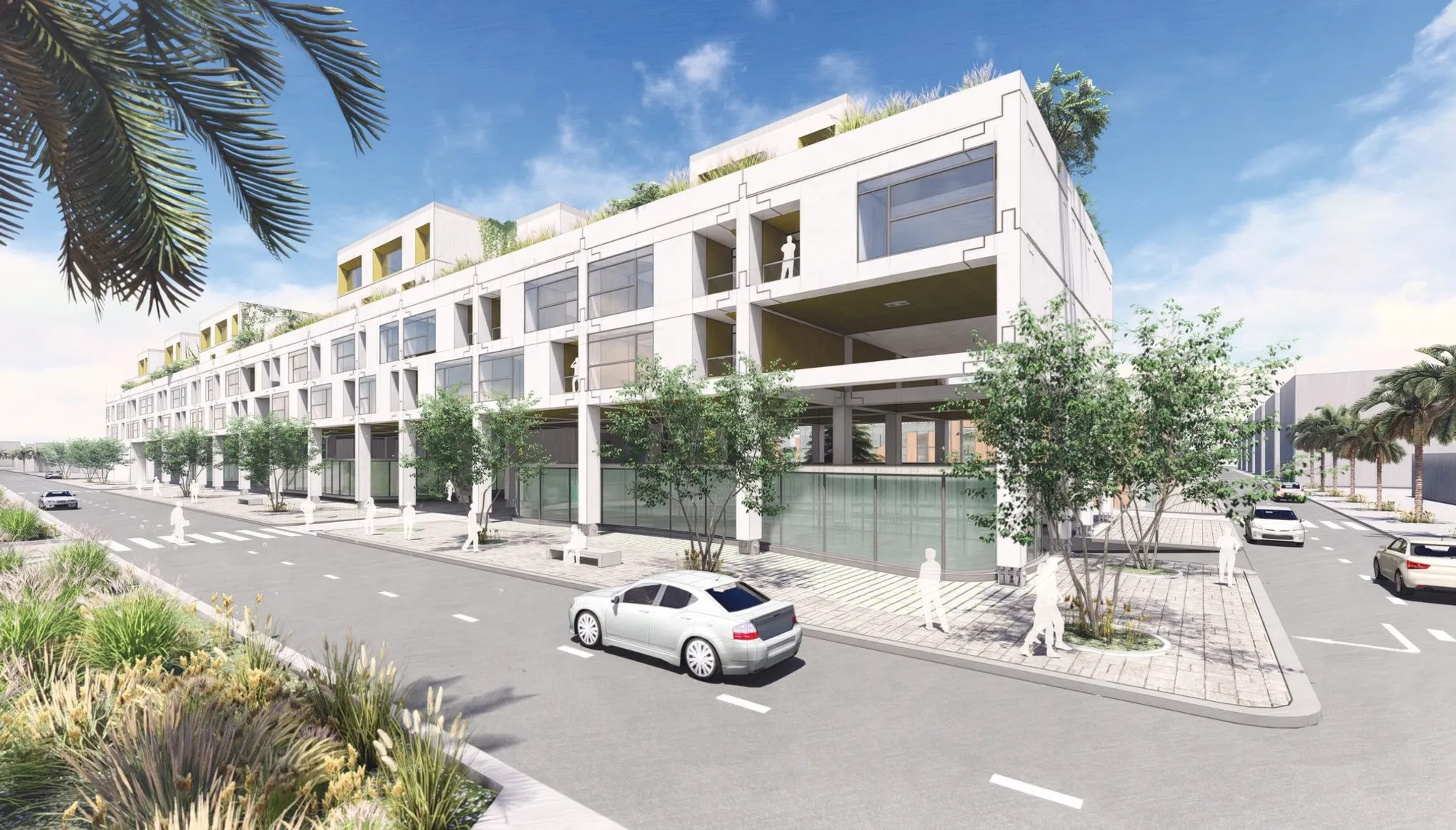
The Al Nassereya Urban Incubator presents a compelling exploration of mixed-use architecture as a catalyst for future urban living. Designed as a prototype for integrated communities, the project redefines how residential, professional, and recreational spaces can coexist within a unified architectural framework. Developed by Rania Mohamed, Alina Sebastian, and Samrakshana Suresh, this shortlisted entry ofVisualization '20 demonstrates a strong spatial and social narrative rooted in adaptability and human-centered design.
Rethinking Urban Living Through Mixed-Use Architecture
At its core, the project addresses one of the most critical challenges in contemporary cities: fragmentation of daily life. Traditional zoning separates living, working, and leisure, often resulting in inefficiencies and reduced quality of life. The Al Nassereya Urban Incubator responds with a cohesive mixed-use architecture strategy that merges these functions into a dynamic, interconnected environment.
The design proposes a layered urban system where residential units, coworking environments, and sports facilities operate in synergy. This integration fosters a self-sufficient micro-urban ecosystem, reducing dependency on external infrastructure while enhancing social interaction.
Spatial Organization and Architectural Strategy
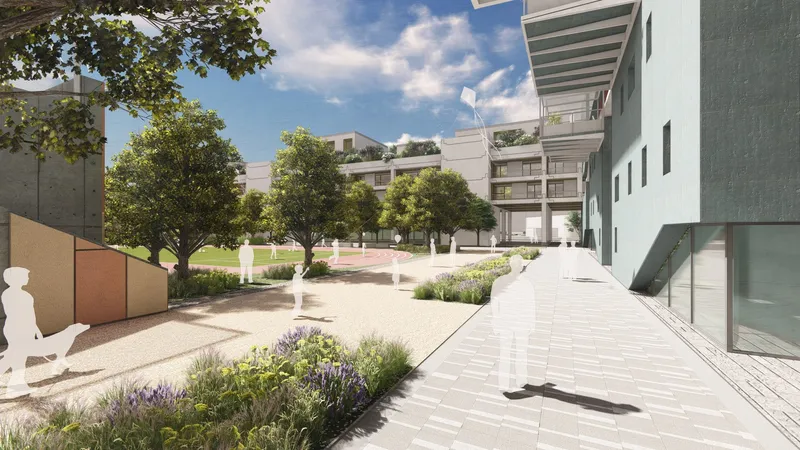
The architectural language is defined by volumetric articulation and strategic layering. The built mass is fragmented into distinct yet interconnected blocks, creating a rhythm of solids and voids. Elevated terraces, cantilevered volumes, and open corridors establish a strong visual and functional dialogue across the site.
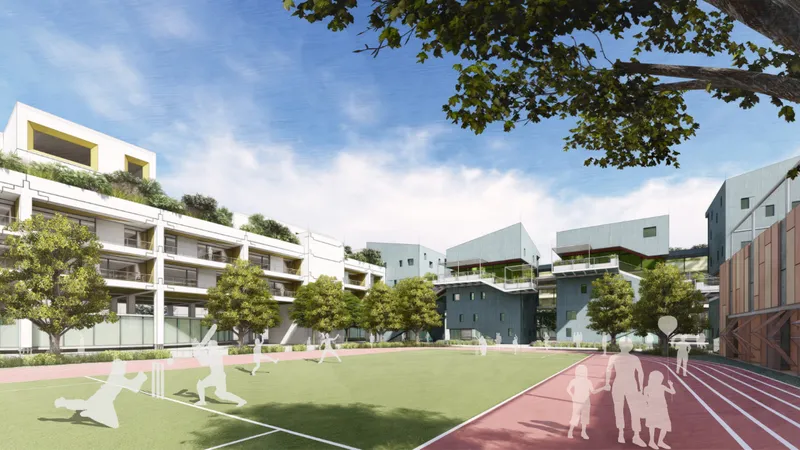
A central courtyard anchors the development, acting as both a recreational hub and a climatic moderator. Surrounded by residential blocks and active edges, the courtyard integrates sports functions such as running tracks and play areas, reinforcing the project’s emphasis on wellness and community engagement.
Circulation is carefully choreographed through a network of semi-open pathways, bridges, and vertical connections. These elements blur the boundaries between interior and exterior spaces, enhancing permeability and encouraging movement throughout the complex.
Human-Centric Design and Social Interaction
The project prioritizes human experience by embedding social spaces at multiple scales. From intimate rooftop terraces to expansive communal courtyards, each spatial layer is designed to facilitate interaction and engagement.
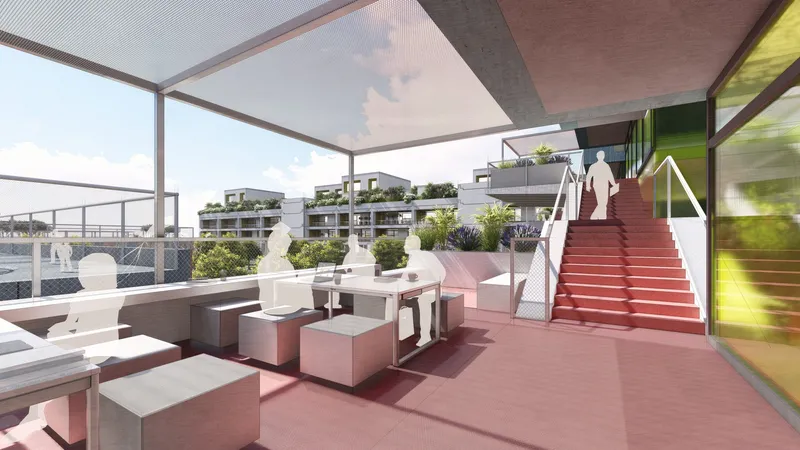
Coworking areas extend beyond enclosed interiors into open terraces, creating flexible work environments that respond to contemporary lifestyle shifts. The integration of greenery across terraces and rooftops further enhances user comfort while contributing to environmental performance.
The presence of sports infrastructure within the residential fabric introduces an active lifestyle component, making physical activity an integral part of daily life rather than a separate function.
Materiality and Environmental Considerations
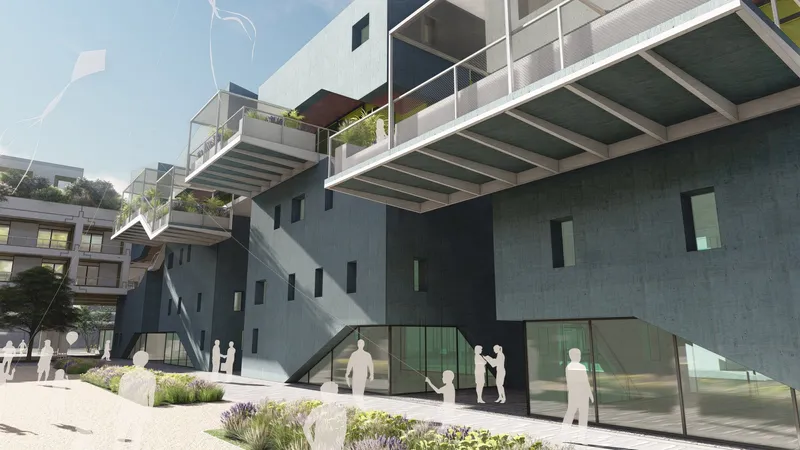
The material palette reflects a balance between robustness and lightness. Solid base volumes provide structural grounding, while lighter upper levels with extended balconies introduce openness and visual relief. The use of shading devices, perforated screens, and vegetation helps regulate microclimatic conditions, improving thermal comfort and reducing energy demand.
Landscape design plays a crucial role in the environmental strategy. Native planting, shaded walkways, and permeable surfaces contribute to ecological resilience while enhancing the sensory quality of the space.
A Prototype for Future Cities
The Al Nassereya Urban Incubator operates not just as a standalone project but as a replicable model for future urban developments. Its mixed-use architecture framework demonstrates how density, diversity, and functionality can be balanced to create sustainable and livable environments.
By integrating residential, professional, and recreational programs within a single cohesive system, the project challenges conventional urban planning paradigms. It proposes a future where architecture actively shapes healthier, more connected communities.
Al Nassereya Urban Incubator exemplifies the transformative potential of mixed-use architecture in addressing contemporary urban challenges. Through its thoughtful spatial organization, emphasis on community, and sustainable design strategies, the project offers a forward-looking vision of integrated living.
As cities continue to evolve, such prototypes become essential in redefining how we design and inhabit urban spaces. This project stands as a strong example of architecture that is not only functional but also socially and environmentally responsive.



Popular Articles
Popular articles from the community


The Ocean Hive: Sustainable Architecture for a Self-Sufficient Civilization at Sea
The Ocean Hive imagines sustainable architecture at sea, where modular habitats, algae, wave power and ocean waste sustain a growing colony.

Co-Life: Senior Housing Design That Reconnects Older Adults With the City
Co-Life reimagines senior housing design through healing gardens, shared streets, workshops, and a sustainable community across generations.

Hill & Cross Opera: Sculptural Opera House Architecture Shaped by Tallinn’s Landscape and Identity
Hill & Cross Opera reimagines opera house architecture in Tallinn through its sculptural hill, civic plaza, glass wave and a luminous cross.

The Earth Pod: 3D Printed Homes for Resilient Refugee Communities
The Earth Pod reimagines refugee housing through 3D printed homes made from clay, combining resilience, self-sufficiency, and rapid shelter.


Similar Reads
You might also enjoy these articles

Eco Chapel: A Green Architecture Pavilion Designed in Symbiosis with the Forest
Eco Chapel uses green architecture to weave prayer, learning and reuse into a forest pavilion shaped by modular hexagonal canopies for life.
Kaffeebühnen: Coffee Shop Architecture Designed as a Civic Stage Between Vienna’s City and Park
Kaffeebühnen turns coffee shop architecture into a civic stage, linking Vienna’s park edge, urban life, warm timber yards, and coffee craft.
Healing Façade: Sustainable Architecture for Reforestation, Community, and Sacred Ecology in Ethiopia
Healing Façade reimagines sustainable architecture as a living wall that restores soil, catches water and renews Ethiopia's forest churches.


Urban Forest: A Vertical Ecosystem for 5,000 Workers in Singapore's Changi Business Park
Radially stacked pods and layered green decks turn a 7-acre plot into 47 acres of ecological workspace projected for 2040.
Explore Architecture Competitions
Discover active competitions in this discipline



Challenge to reimagine the Iron Throne


Photograph architecture without architects


Illustrate the lost glory of Angkor Wat - Render Challenge


Design challenge to reuse E-waste
Comments (0)
Please login or sign up to add comments
No comments yet. Be the first to comment!