
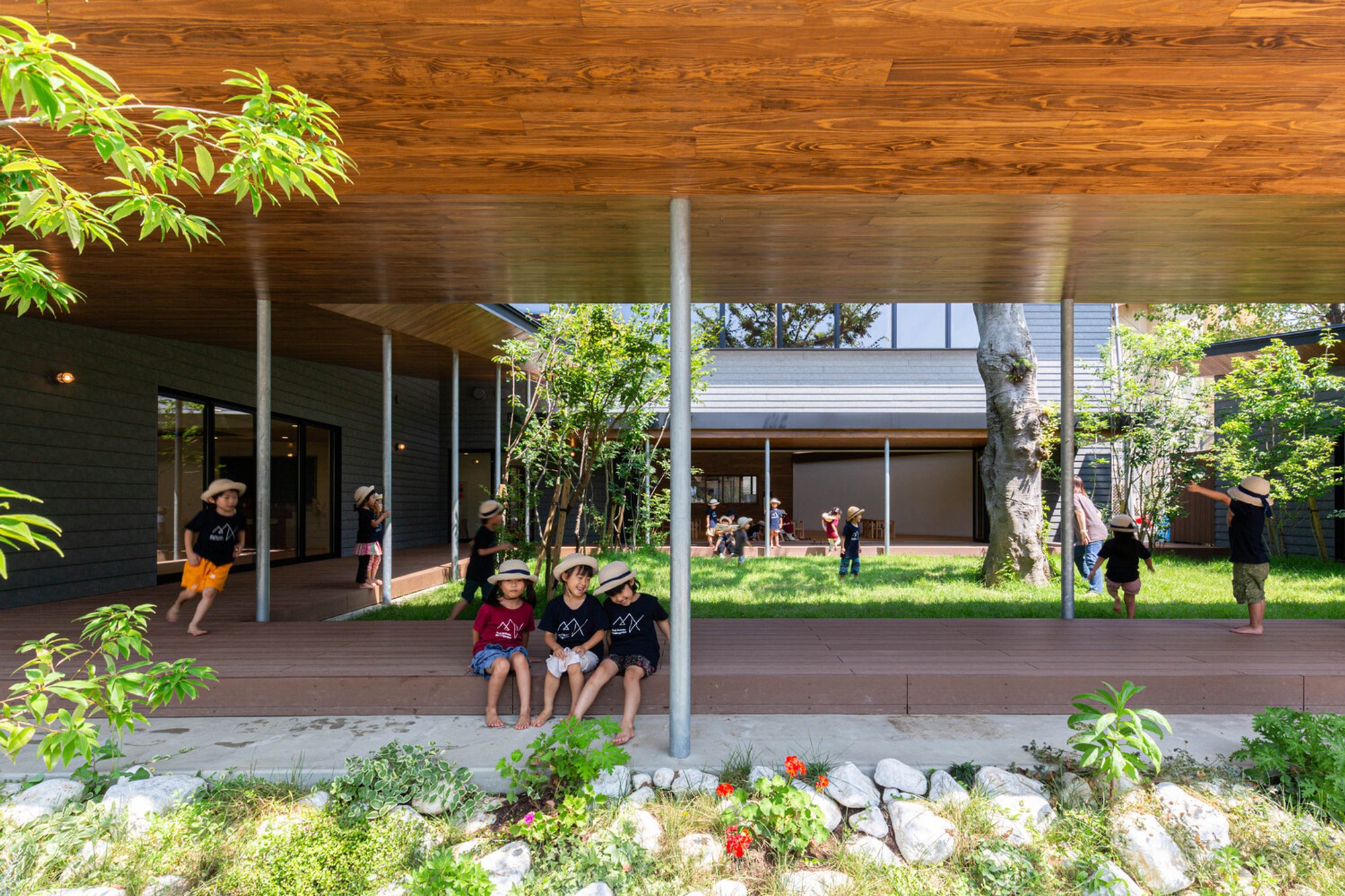
20 Most Popular Educational Building Projects of 2025
From kindergartens in Japan to flood-resilient schools in India: the 20 most engaging educational buildings and learning spaces of 2025.

What makes a school unforgettable? Not the curriculum printed on paper, but the walls that hold it. In 2025, the world's most compelling educational buildings did something remarkable: they made architecture itself the first lesson. From wetland research centres that grow out of reed beds to kindergartens that preserve century-old trees in their courtyards, this year's standout projects treated the built environment not as a backdrop, but as pedagogy.
We combed through thousands of projects submitted to uni.xyz this year and ranked them by a composite score that weighs views, likes, comments, and engagement depth. The result is a list that begins with the boldest conceptual visions and moves through built realities spanning five continents. Some are intimate; some are civic in scale. All of them ask the same question: what does it feel like to learn here?
Conceptual Visions for the Future of Learning
The conceptual projects on this list are not fantasies. They are rigorous proposals grounded in material logic, site-specific ecology, and deep social intent. They lead our ranking because they generated the most sustained conversation among our community, proof that architects and students are hungry for ideas that push beyond conventional typologies.
1. Center for Indigenous Building Crafts
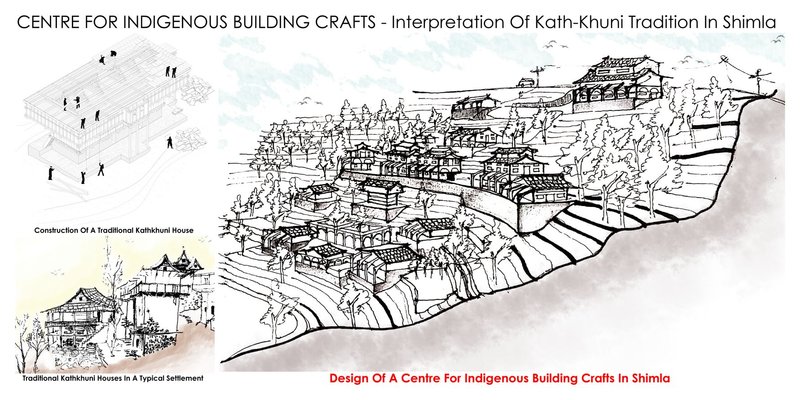
The highest-scoring conceptual entry of 2025 is also its most quietly radical. Designer Keyur conceived a centre where the building itself is the curriculum: walls constructed using traditional joinery, roofs woven from local fibre, floors poured from earth sourced on-site. Every surface doubles as a demonstration of the craft it shelters. There is no separation between the workshop and the monument. The structure is the lesson.
View the full project: Center for Indigenous Building Crafts
2. REED MAZE: A Model for Regenerative Architecture
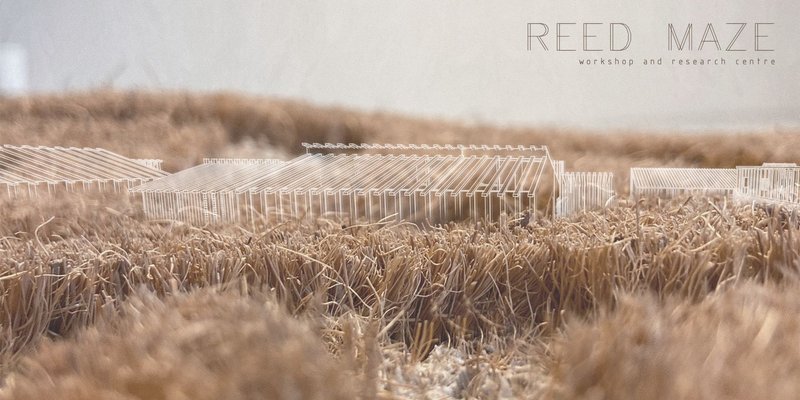
Designer Ana proposes a workshop and research centre built almost entirely from reeds harvested on the wetland site it studies. The maze-like plan is not a formal gesture; it traces the actual patterns of reed growth and water flow. Researchers move through the building the way light moves through a reed bed: diffused, directional, alive. It is regenerative architecture in the most literal sense — the building feeds the ecosystem that builds it.
View the full project: REED MAZE: Workshop and Research Centre
3. The Cloud: Healing Architecture for Mental Wellness
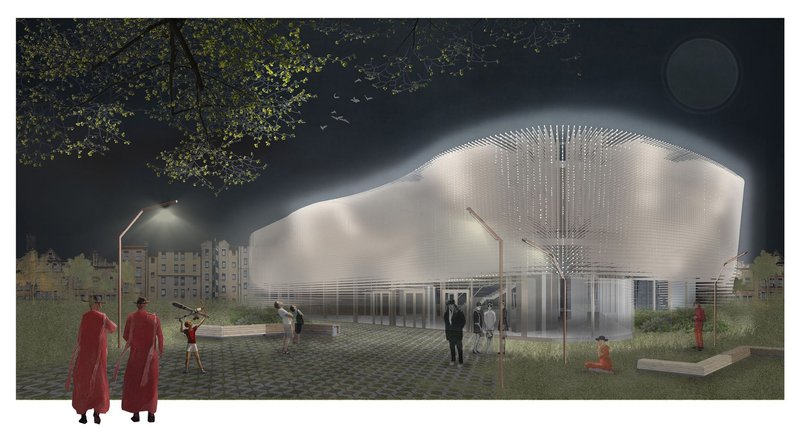
Designed by a trio — Lyolya, Nikita, and Smolyaninova — this project addresses a gap in contemporary school design: the student who is struggling. The Cloud introduces soft enclosures, biophilic materials, and carefully tuned acoustic environments into an educational setting, treating the architecture as a form of therapeutic infrastructure. The project draws a direct line between spatial quality and mental health outcomes.
View the full project: The Cloud: Healing Architecture for Mental Wellness
4. BlahBlah: Experiential Learning Architecture
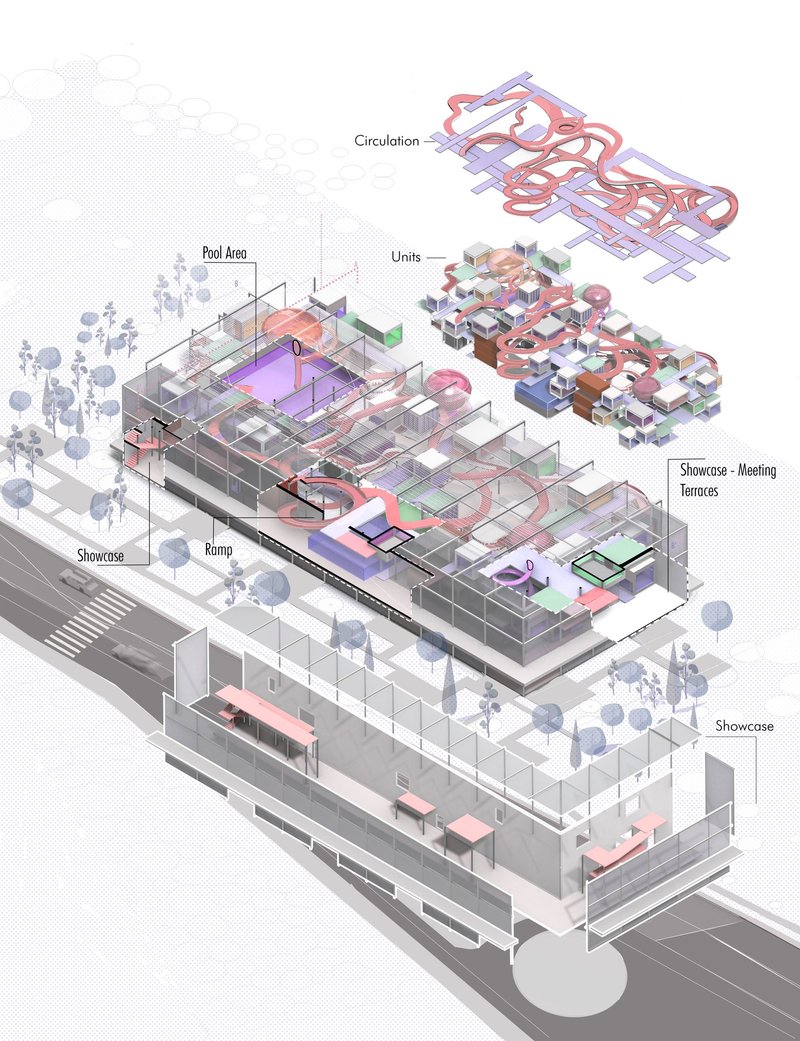
Designer Cevsen argues that the most important educational activity is talking — and that almost no school building is designed for it. BlahBlah is a radical rethink of the classroom as a conversational field: no fixed rows, no single focal point, instead a landscape of acoustic chambers and open forums calibrated for every scale of dialogue, from one-to-one mentorship to whole-school assembly.
View the full project: BlahBlah: Experiential Learning Architecture
5. Mycelium Path: Bio-Architecture for Wetland Sustainability
Designer Ivona takes bio-architecture into genuinely speculative territory with a wetland research centre whose structural elements are grown, not manufactured. Mycelium composites form the walls; living root systems anchor the foundations; the building is designed to be reabsorbed by the site at the end of its life. As a vision for what a truly circular educational institution might look like, it is without peer in this year's submissions.
View the full project: Mycelium Path: Bio-Architecture for Wetland Sustainability
Built Projects: Architecture Already Changing Education
The fifteen built projects that follow have all been completed and occupied. They are ranked by the same composite score as the conceptual entries and grouped loosely by typology: kindergartens first, then primary and secondary schools, then vocational and research facilities. What runs through all of them is a shared conviction that the quality of a learning space is inseparable from the quality of what is learned inside it.
Kindergartens: Where Architecture Meets First Wonder
6. Ecove Centre of Vocational Empowerment by SEZA Architects
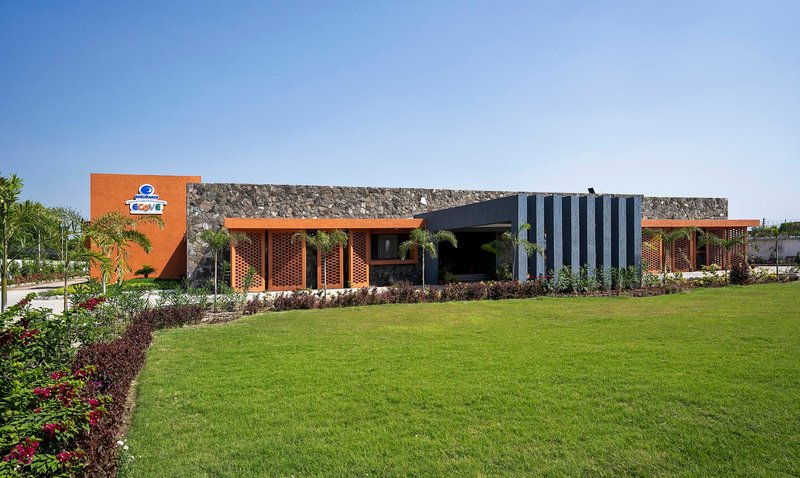
The top-scoring built project of 2025 is a vocational centre that doubles as a community landmark. Studio: SEZA Architects. Ecove reads at once as workshop, marketplace, and meeting ground. Its courtyard is calibrated for demonstration: skills are performed in public, knowledge flows between generations, and the building itself models the craft it teaches through locally sourced materials and traditional construction techniques brought into conversation with contemporary structural logic.
7. Genesis International School Turkayamjal
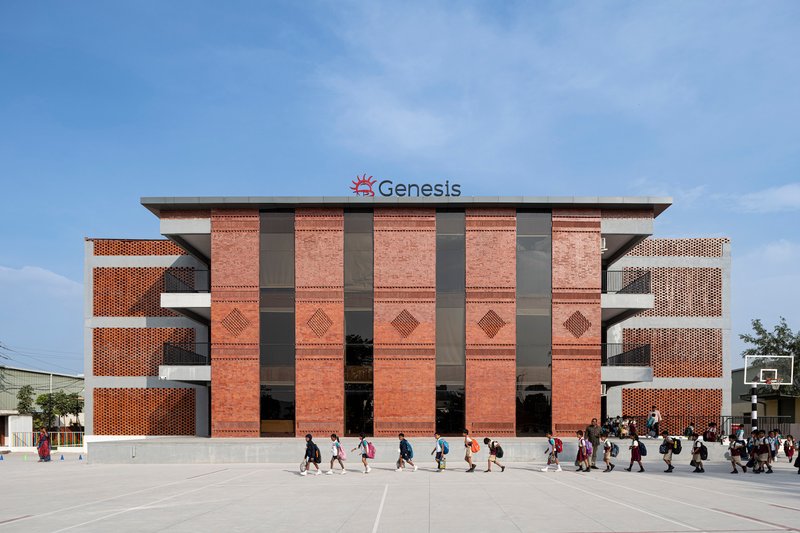
Genesis International School in Turkayamjal demonstrates what happens when landscape architecture and building design are developed simultaneously rather than sequentially. The campus dissolves the hard boundary between classroom and ground, routing movement through gardens, terraced plazas, and shaded courts. The result is a school that feels generous at every scale: spacious enough for assembly, intimate enough for concentration.
8. MJK Kindergarten by HIBINOSEKKEI
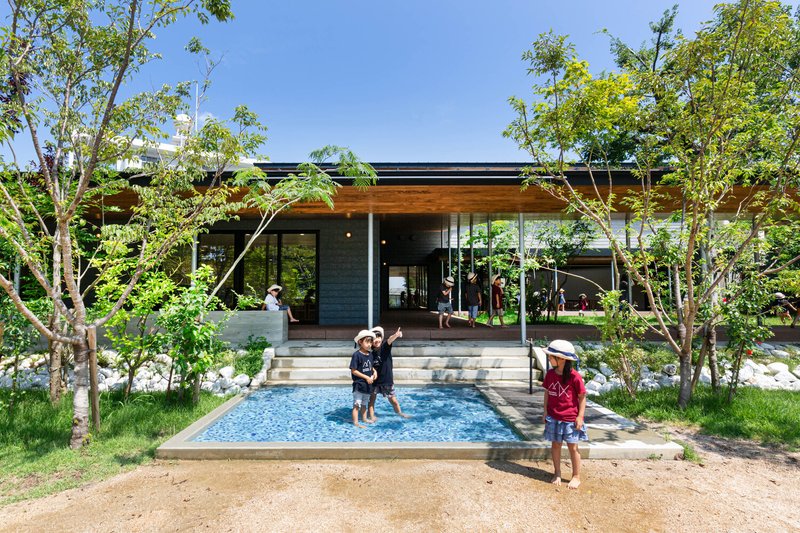
Studio: HIBINOSEKKEI. The renovation of MJK Kindergarten in Moji, Kitakyushu, is one of the gentlest and most decisive acts of architecture on this list. Rather than erase the site's history, the designers preserved the trees that had stood in the playground since the school's founding, building a central courtyard around them. The external corridor — a modern echo of the Japanese engawa — lets children feel rain and wind without leaving the building. The message to every child inside is clear: the world you are learning about is right here.
9. Meadows Primary School by Project 12 Architecture
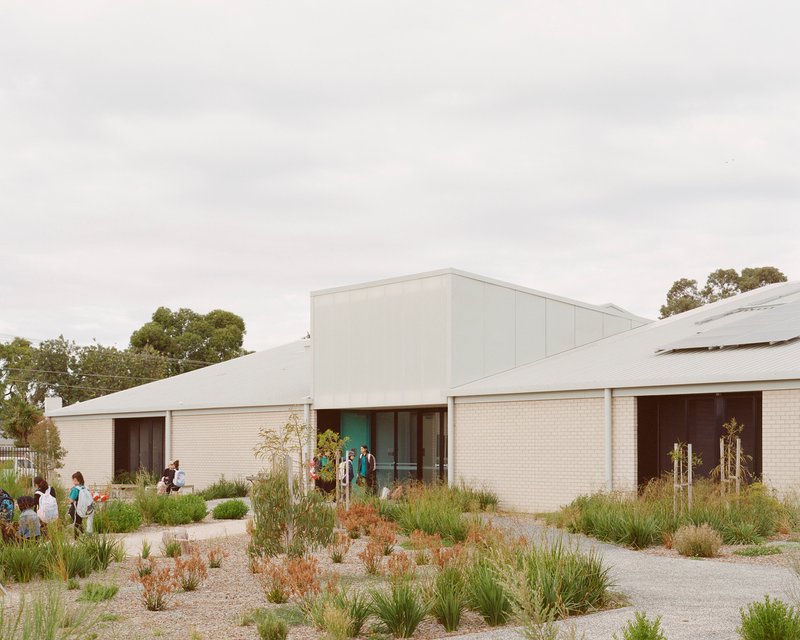
Studio: Project 12 Architecture. What distinguishes Meadows Primary School is its refusal to treat the outdoor learning environment as an afterthought. Each classroom cluster opens directly onto a dedicated garden zone, so that the transition from desk to soil is a matter of seconds. The architecture is confident without being loud: timber frames, soft brick, and generous glazing that makes the boundary between inside and outside genuinely ambiguous.
10. Beijing Gaoliying Kindergarten by MAT Office
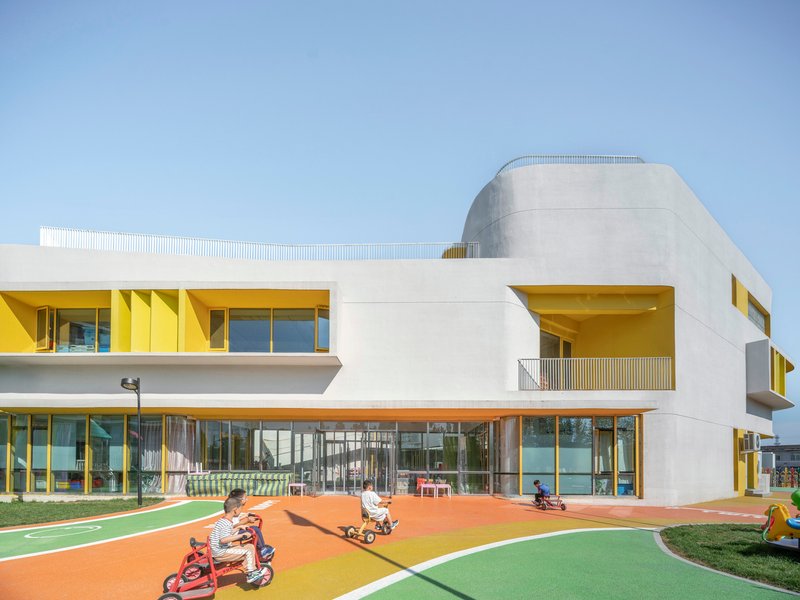
Studio: MAT Office. MAT Office turns the roofscape of Beijing Gaoliying Kindergarten into the school's primary landscape. Children move between ground-level play and elevated terraces via ramps and stairs that are themselves learning environments, offering changing views of the sky, the surrounding farmland, and each other. It is a building that takes seriously the idea that spatial experience is a form of knowledge.
11. Toy Blocks Kindergarten by Blocher Partners India
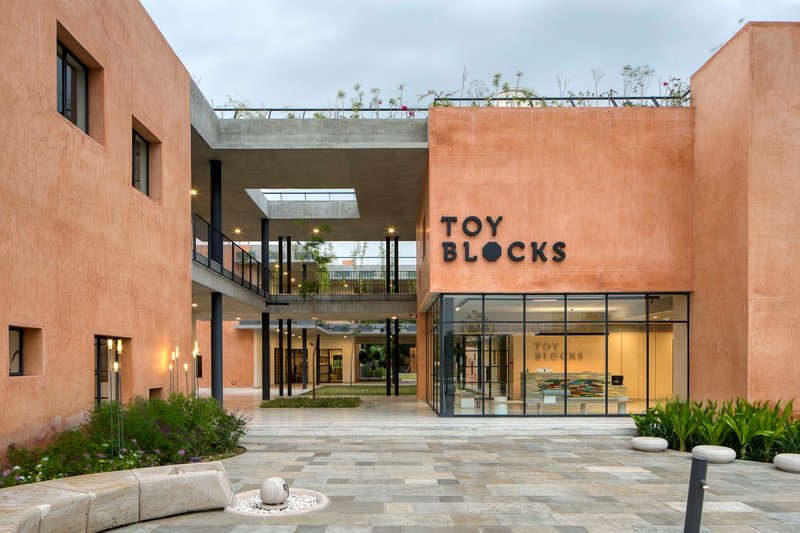
Studio: Blocher Partners. The name is not whimsical; the massing of Toy Blocks Kindergarten is literally derived from stacked, interlocking volumes that evoke the play objects inside. Blocher Partners India worked with Reggio Emilia pedagogical principles throughout, creating a building where every spatial transition — from the entrance courtyard to the atelier to the outdoor terrace — corresponds to a distinct mode of creative engagement.
12. Unity Preschool by Studio Jia
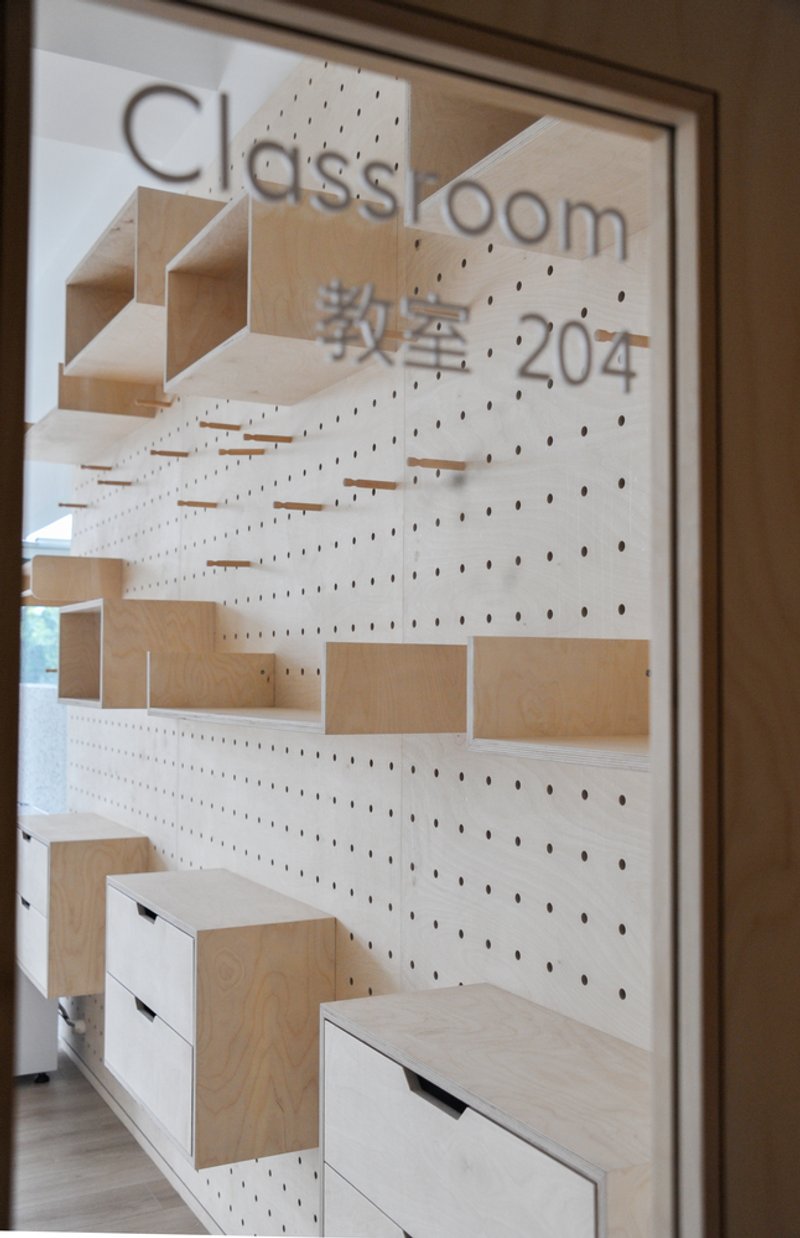
Studio: Studio Jia. Unity Preschool is a study in the relationship between scale and curiosity. Studio Jia designed every element — furniture height, ceiling curve, window sill depth — from the perspective of a three-year-old encountering the built world for the first time. The result is a building that feels discovered rather than imposed, one in which small bodies move with genuine confidence.
Schools: Expanding What a Classroom Can Be
13. Louis-Saint-Laurent School by STGM
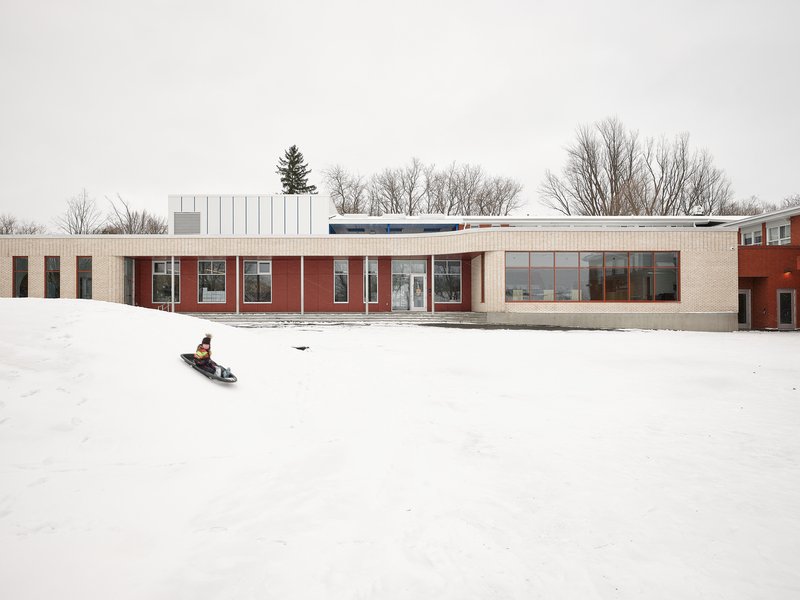
Studio: STGM. The expansion of Louis-Saint-Laurent School in Québec is a masterclass in contextual addition. STGM's new wings do not mimic the existing mid-century building, nor do they ignore it: they enter into a respectful dialogue, using matching material weight and complementary circulation patterns to make the new indistinguishable from the necessary. The expanded school now accommodates a broader range of pedagogical modes without losing its original civic character.
14. Four Seasons Zen Center

The Four Seasons Zen Center is among the most serene educational environments on this list. Designed around the principles of biophilic architecture, it sequences its programme through the calendar: each wing orients to capture a different seasonal quality of light. Students arrive in one season and leave in another; the building marks that passage with the same quiet insistence as a clock.
15. C.A.H.S. School Ayakkad by Studio Acis
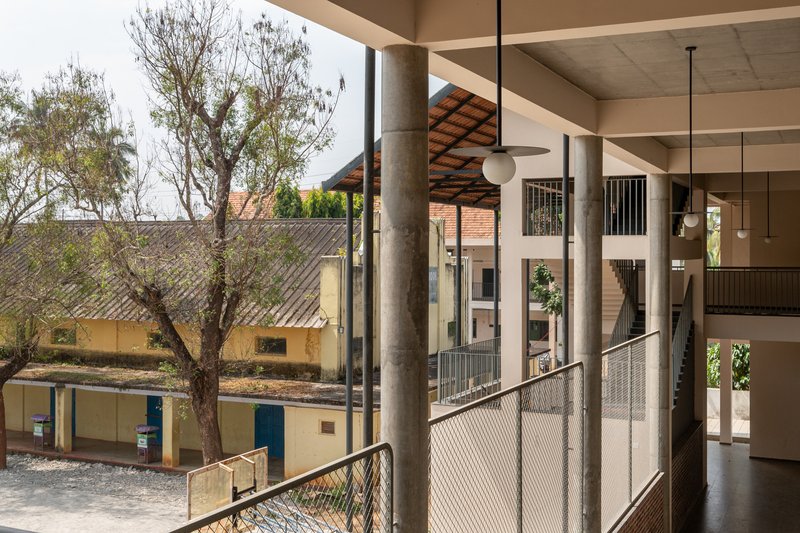
Studio: Studio Acis. C.A.H.S. School in Ayakkad is a lesson in how sustainable architecture can be made visible without becoming didactic. The passive cooling system, the rain-harvesting roofs, and the shaded verandas are all part of the building's everyday experience rather than features tagged for display. Children do not need to be taught that the school conserves water; they see it happening every monsoon.
16. Helene Carrere d'Encausse School by archi5 + bureau faceB
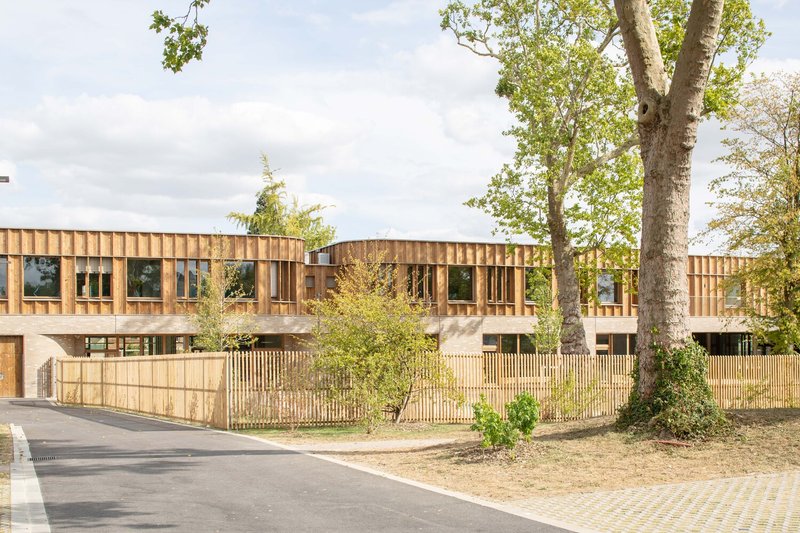
Studio: archi5 + bureau faceB. Named after the first woman elected to the Académie Française, this Parisian school is built on a constrained urban site and makes that constraint the source of its inventiveness. archi5 and bureau faceB stack the programme vertically, then cut generously through each floor to bring light and air deep into the plan. The school feels open despite its density — a quality that defines the best urban educational architecture.
17. Jacques Majorelle School by ZArchitecture Studio
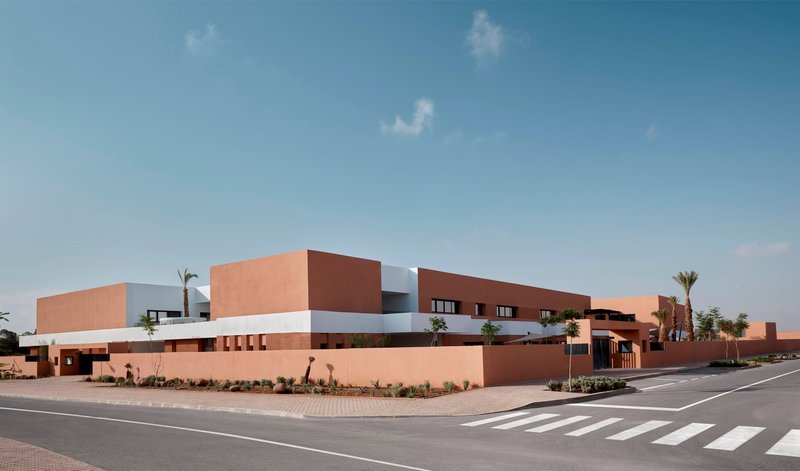
Studio: ZArchitecture Studio. Named for the French painter who gave Marrakech its famous blue garden, the Jacques Majorelle School draws on North African climate logic: deep overhangs, wind-catching towers, and a courtyard plan that moves air without mechanical assistance. ZArchitecture Studio delivers a building that is specific to its place in a way that no amount of imported building technology could achieve.
18. Flood Affected School at Kelthan Village by unTAG
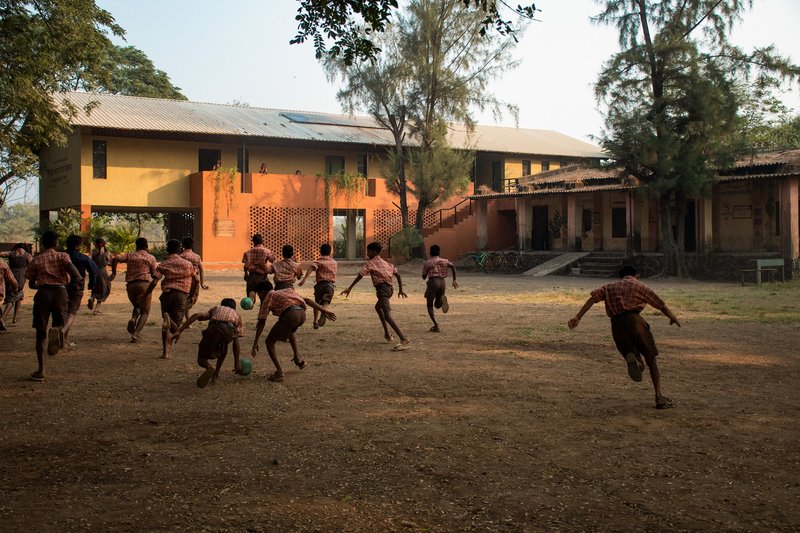
Studio: unTAG. Perhaps the most urgent project on this list, the rebuilt school at Kelthan Village responds to a community that has lost its educational infrastructure to repeated flooding. unTAG's approach is not to fortify against water but to work with it: elevated platforms, amphibious foundations, and modular classrooms that can be disassembled and reassembled above the flood line. Resilience, taught by a building.
19. Shenzhen Shekou School Renovation by YU Architects
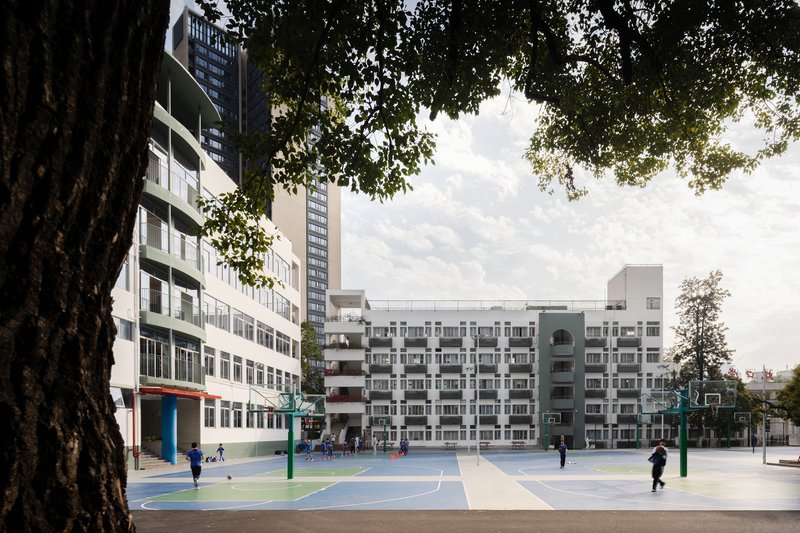
Studio: YU Architects. The renovation of Shekou School in Shenzhen inserts a network of lanes, bridges, and social nodes into an existing campus, transforming what was a single-purpose circulation system into a landscape of informal encounter. YU Architects demonstrate that the most significant improvements to a learning environment are sometimes the ones that happen between the classrooms, not inside them.
20. Jules-Verne School by Barre Lambot Architectes
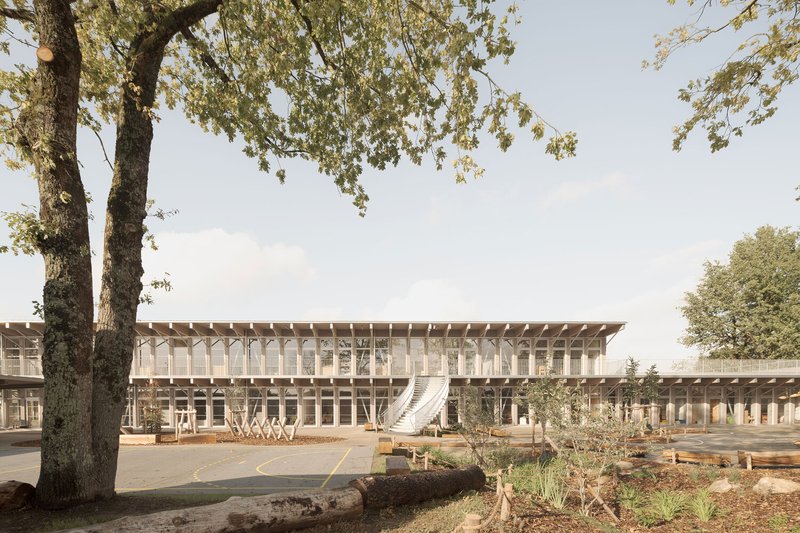
Studio: Barre Lambot Architectes. Named for the master of speculative voyages, Jules-Verne School in France achieves something that would have pleased its namesake: it fits more than seems possible into the space available. Outdoor terraces, garden rooms, a library that opens to the sky, and generous circulation all coexist on a compact urban site. Barre Lambot Architectes prove that educational ambition is not a function of acreage.
What These Projects Tell Us About Education in 2025
Taken together, these twenty projects form a collective argument: that the spaces where we learn are not neutral. Every threshold, every window, every courtyard tree sends a message about what knowledge is, who it belongs to, and what it is for. The best educational architecture of 2025 sent the right messages. It said: the world outside this building is worth studying. The materials it is made from are worth respecting. You, the learner, are worth the effort of a well-designed room.
Explore all educational building projects on uni.xyz and discover what architects around the world are building next.
This article features projects published on uni.xyz in 2025, ranked by reader engagement. Last updated: April 2026.




Popular Articles
Popular articles from the community


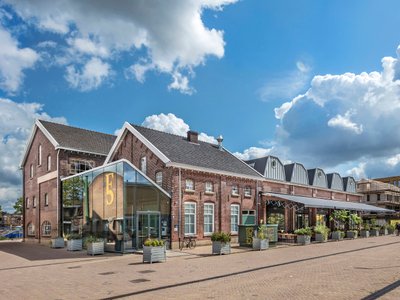
Fifth NRE Jazz Club – De Bever Architecten: Eindhoven’s Revitalized Cultural Hub
Historic gas factory transformed into Fifth NRE Jazz Club blending modern sustainability, jazz culture, dining, and heritage architecture seamlessly.
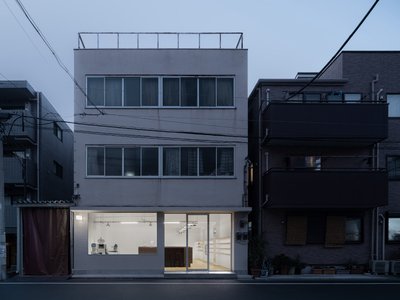
Atelier Macri Concept Store Interior Design by CASE-REAL
Atelier Macri store features a "ko" counter, walnut wood details, cork displays, blending retail, gallery, and seamless customer experiences.
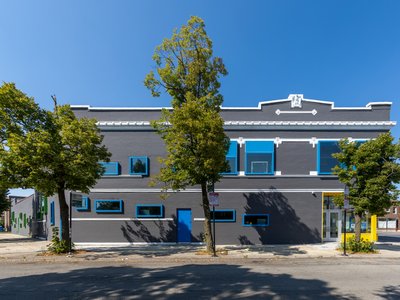
Gads Hill Early Learning Center by JGMA: Adaptive Reuse Shaping Community-Focused Educational Architecture
Adaptive reuse transforms fragmented structure into vibrant early learning center with playful façade, natural light, and community-focused sustainable design.


Similar Reads
You might also enjoy these articles
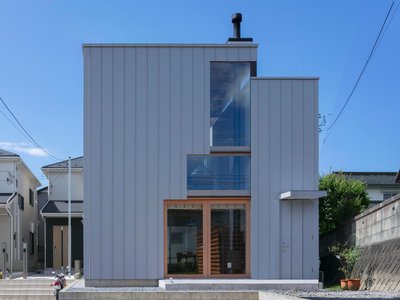
Split House: A Compact Urban Home Blending Privacy, Light, and Flexible Living in Japan
Compact Japanese home featuring DOMA space, flexible café potential, passive lighting, privacy zoning, and sustainable urban living design.
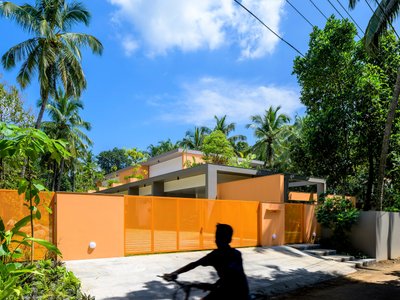
Colour Burst House by LIJO RENY Architects: A Tropical Home Designed Around Rain, Light, and Courtyard Living
A vibrant tropical home with courtyards, rain-focused design, passive cooling, and seamless indoor-outdoor living in contemporary Indian architecture.
Fifth NRE Jazz Club – De Bever Architecten: Eindhoven’s Revitalized Cultural Hub
Historic gas factory transformed into Fifth NRE Jazz Club blending modern sustainability, jazz culture, dining, and heritage architecture seamlessly.
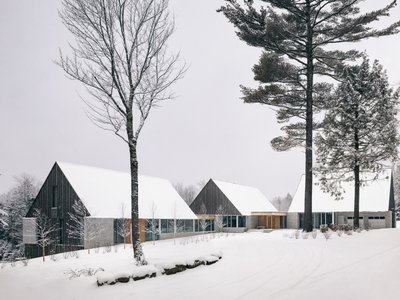
Three Summits Residence by NÓS: A Multigenerational Mountain Retreat Rooted in Landscape and Architectural Primitivism
Multigenerational mountain residence in Vermont featuring three pavilions, granite bases, dramatic roofs, and seamless integration with forested landscape.

Explore Architecture Competitions
Discover active competitions in this discipline




The International Standard for Design Portfolios


The Global Benchmark for Architecture Dissertation Awards


The Global Benchmark for Graduation Excellence


Challenge to design public laboratory
Comments (0)
Please login or sign up to add comments
No comments yet. Be the first to comment!