


Japanese Design
Design and architecture work drawing on Japanese aesthetics, craft, and building traditions, from local projects in Japan to international buildings inspired by Japanese principles.


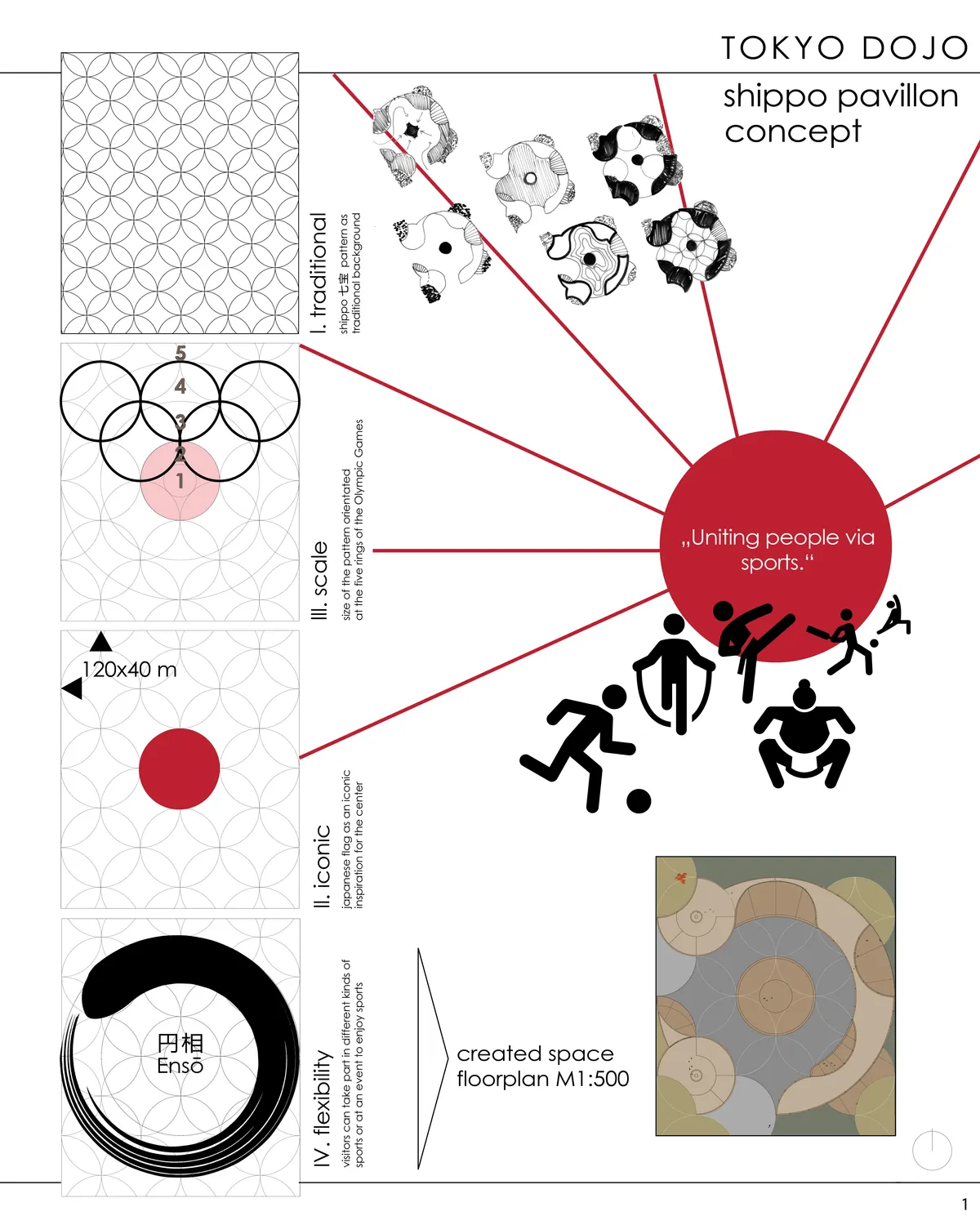
Tokyo Dojo
The concept of the design was the idea to create a central place where the world of experience around sports and the fan community can be celebrated together. With organic forms, the dynamics of the sport is also shown in the building structure. The design language combines traditional pattern and modern architecttechnology.


TEDZUKURI Traditional Japa
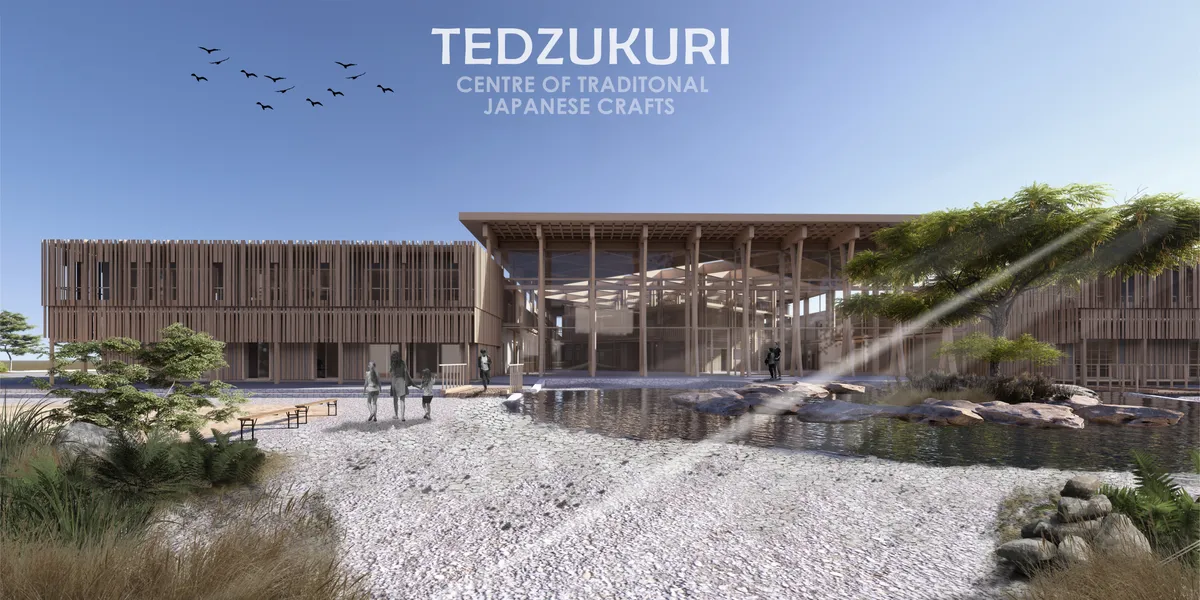

So so inspiring! fine details i love your work, compositions are very well balances and the atmosphere is surely set. I'm definitely lingering around this


Three Japanese Firms Build India's Largest Folded Plate Structure for IIT Hyderabad's Sports Complex
A 49-meter concrete span and a village of sawtooth roofs bring athletic and cultural life to a new campus outside Hyderabad, India.


Freebird Residence by Alexis Dornier: A Tropical Modernist Sanctuary in Bali
Floating living pavilion above pool anchors H-shaped tropical villa, blending Japanese minimalism, sustainable strategies, lush landscape, and sculptural interiors.

Northgate Engawa House by Arcke: A Harmonious Blend of Japanese Influence and Queenslander Architecture
Northgate Engawa House blends Japanese engawa and Queenslander veranda, creating multi-generational, indoor-outdoor living with sunken garden and serene greenery.


A HUMAN-SATURATED NATURE
Kamo River Esplanade, Kyoto, Japan
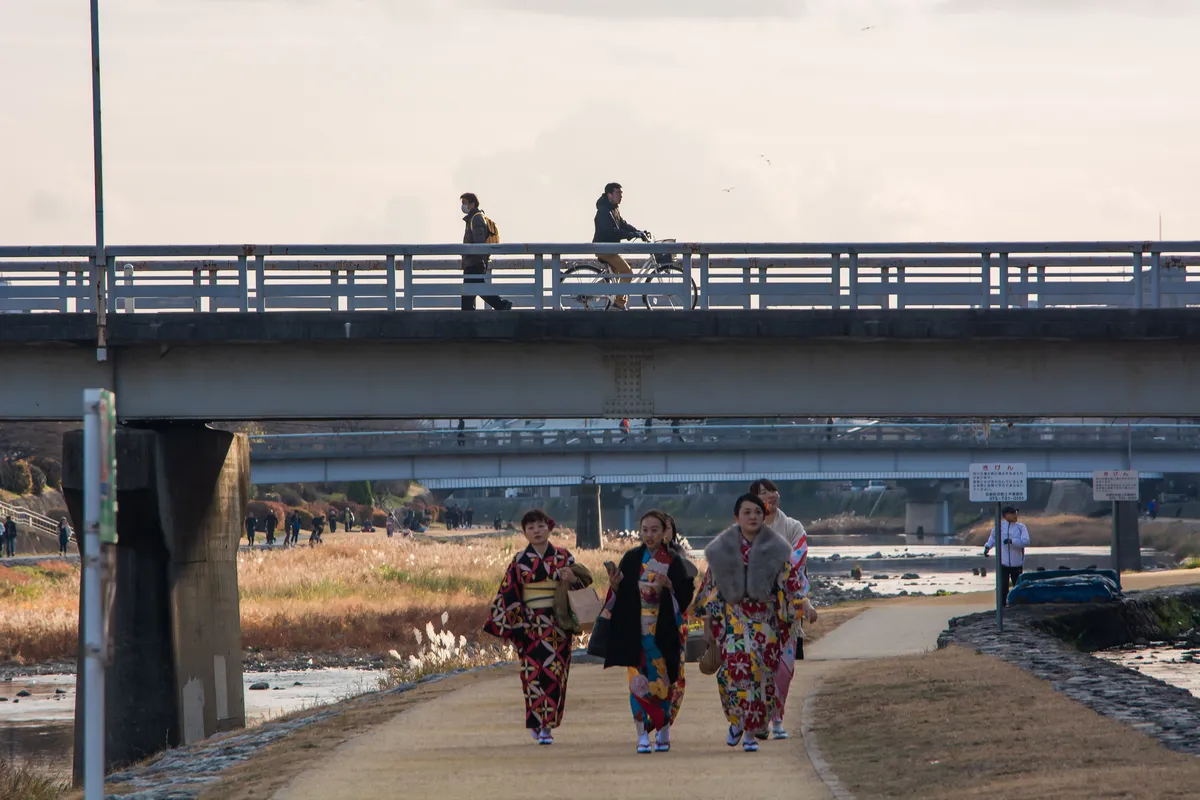

There are nice ideas here that could be enhanced by stricter compositions that reduce the elements and guide the eye and communicate the theme. eg, the crane and the water bottle last image would be more powerful with only the bird and the plastic bottle without the other fleeing bird. The zoom looking down to the footpath is a nice idea also and the various poses of the people become the theme and the solo pigeon becomes almost comical, but I do enjoy this image. Light and timing of the passers by could also be further considered. The kimono ladies and the bike above is a good foundation- its these kinds of unexpected elements that make a photo strong. Lots more shooting and more editing will help you hone the skills you demonstrate here.

The blend of people in the urban landscape is an interesting idea, but the photographer should spend more time concerned with the composition of the people and in particular their body language at the time of shutter release
Sjöparken Retreat: A Lakeside Haven of Nordic Minimalism and Japanese Serenity by NORM Architects
Sjöparken Retreat stands as a remarkable example of contemporary wellness architecture, an immersive sanctuary that merges the serenity of Swedish nature with the refined simplicity of Nordic and Japan

Frame House II by Jespersen Nødtvedt – A Modern Allotment Retreat Inspired by Japanese Architecture
A compact Japanese-inspired timber house in Denmark, blending sustainable materials, flexible interiors, and floating pavilion aesthetics within a 40m² allotment plot.

Doma of Tokoname by Tezuka Architects – A Contemporary Tribute to Japan’s Earthenware Heritage
A timber home-shop blending traditional doma, pottery culture, and deep eaves, honoring Tokoname’s earthenware heritage through warm, functional Japanese design.

Guest House No. 16 by NORM Architects – A Timeless Coastal Retreat Reimagined
A serene Danish guest house blending Italian, Scandinavian, and Japanese design, offering timeless interiors, natural materials, and a tranquil coastal retreat.

SS2 Apartment by Wuuu Studio: A Modern Japanese-Inspired Urban Retreat in Petaling Jaya
SS2 Apartment by Wuuu Studio is a modern Japanese-inspired urban home in Petaling Jaya, featuring minimalist design, layered spaces, and serene interiors.

Living in Harmony with the Changing Seasons – Architrip Inc.
A serene Yonezawa vacation home by Architrip Inc., blending traditional Japanese design, seasonal views, reclaimed wood, and immersive mountain living.

KURA-GE Coffee Shop: Japanese Coffee Shop Interior Design in Paris by Remy Aznar + Moyésoa
KURA-GE Coffee Shop in Paris blends Japanese craftsmanship with Parisian interior design, creating a minimalist, elegant, and culturally rich café space.

Studio&Home SUMA / SUMA Arquitectura – Optimized Design in Compact Urban Contexts
Compact Madrid home and studio maximize limited space with timber volumes, pergola courtyard, multi-level layout, natural light, and Nordic-Japanese design.

Kuwasawa Design School by moss. – A Contemporary Renovation for Japan’s First Design School
Kuwasawa Design School’s renovation by moss. blends Bauhaus-inspired minimalism, adaptive reuse, and collaborative spaces, fostering creativity in Tokyo’s Shibuya district.

Shoji-Inspired Japanese House Design in Minato-ku by FujiwaraMuro Architects
A contemporary shoji-inspired home in Osaka blending Japanese tradition with modern design through gardens, floating rooms, and lantern-like architecture.

PAN Bakery Milano by Studio Wok: A Subtle Fusion of Japanese Minimalism and Milanese Craft
PAN Bakery Milano blends Japanese minimalism with Milanese warmth, featuring natural materials, open façades, and serene, sculptural interiors.

Onn Hair Salon Interior Design by Spicy Architects and Swarm Inc.
Onn Hair Salon by Spicy Architects and Swarm Inc. combines Japanese tradition with modern minimalism, creating a refined and tranquil interior.

CallMeTen by RENESA: A Contemporary Ode to Japanese Restaurant Interior Design in New Delhi
CallMeTen redefines Japanese restaurant interior design through sculptural minimalism, shadow play, and immersive architecture in New Delhi.

House in MITATE by Lenz Architects
A 50-year-old Japanese home transformed using the MITATE concept, blending tradition and modernity through flexible, reinterpreted design elements.


The concept for this project has the potential for openness. An opportunity which is unfortunately not seized upon by the team. Instead of a flexible, ephemeral structure, we are faced with an enclosure limited by its strangely clumsy insistence on formalism. Imagine how simple gestures could break up the continuous homogeneity of the pattern whilst keeping its overall integrity—and lead to an intriguingly unexpected openness.
The design of using overlapped circles successfully generates certain new atmosphere of the space. It should have been much interesting if the people interaction in-between a circle and another regarding the program or usage is expressed.
Thank you very much for sharing your opinion about the project